

Trickle Vents in Replacement Windows Explained
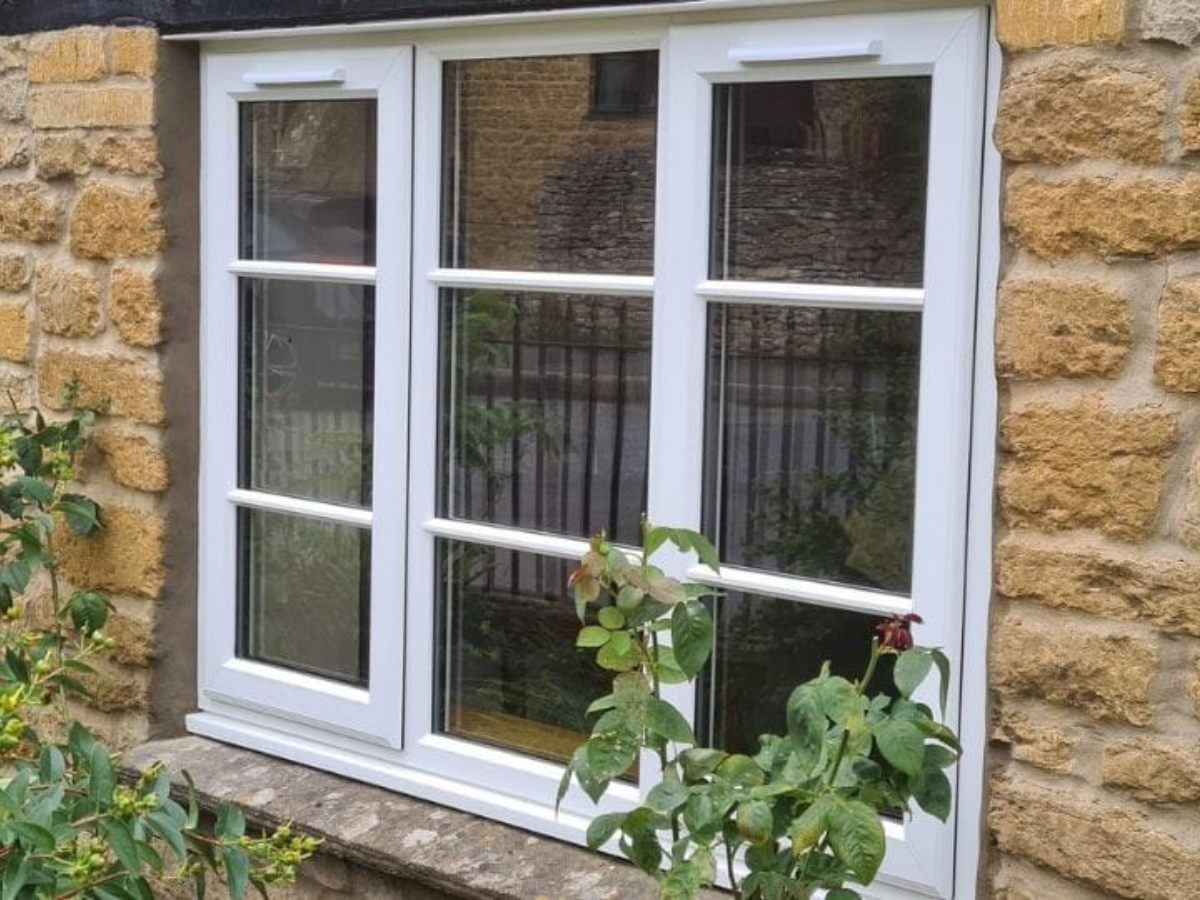
If you are replacing your windows, you may notice small vents along the top of the new frames. These are trickle vents, and since June 2022 they have been part of almost every window replacement in England.
We make and fit windows across Warwickshire, Worcestershire, Gloucestershire, Oxfordshire and the Cotswolds, and trickle vents are one of the questions we are asked most often in the home. This guide explains what they do, what the Building Regulations ask for, and how we fit them neatly so they suit your home.
Trickle Vents at a Glance
What they are: Small, adjustable vents in the window frame that let a gentle flow of fresh air into the room while the window stays closed and locked.
When they are needed: Replacement windows in England should include trickle vents, whether or not your old windows had them, unless the room already has suitable background ventilation.
How big: The guidance asks for 8000mm² of ventilation in living rooms, bedrooms and kitchens, and 4000mm² in bathrooms.
Control: You can open and close them, so you stay in charge of the airflow.
Paperwork: As a Certass registered installer, we make sure your windows comply and you receive a Building Regulations compliance certificate.
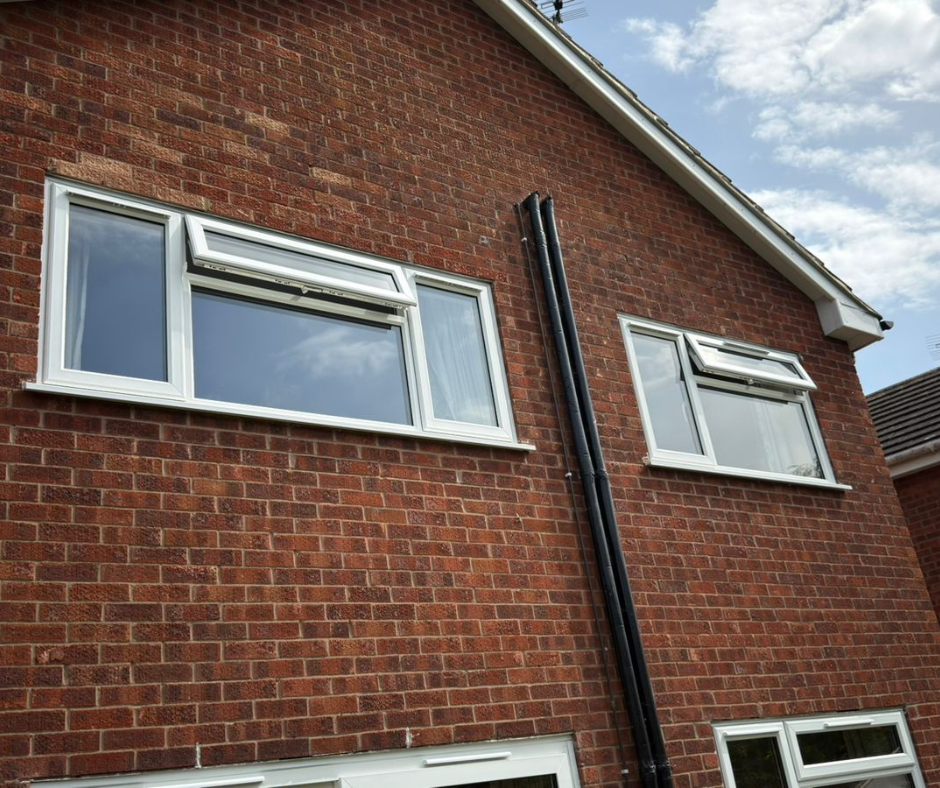
What Is a Trickle Vent?
A trickle vent is a slim vent with an adjustable cover, built into or above a window frame. It lets a small, steady flow of air pass into the room, which is where the name comes from. The window itself stays shut and locked, so your home stays secure.
Types of Trickle Vent
There are three main types. A through-frame vent is fitted through the head of the window frame, and it is the most common choice on new uPVC windows. An over-frame vent routes the air over the top of the frame or the window head, which is useful where a through-frame vent will not fit. A glazed-in vent sits in the glazed area along the top of the sealed glass unit.
Trickle vents can be fitted to uPVC, timber, steel and aluminium frames. Most are opened and closed by hand with a simple slider. On tall windows, cord or rod controls make them easy to reach.

Why Fresh Air Matters
Modern double glazing is excellent at keeping draughts out, which is a big part of why new windows make a home warmer. Older windows often let air leak in around the frames, and that leakage was quietly ventilating the house. New, well-sealed windows close those gaps, so the fresh air needs a controlled way in.
Everyday life adds a surprising amount of moisture to the air. Cooking, showers, baths, drying clothes and even breathing all release water vapour. Without enough ventilation, that moisture settles on the coldest surfaces, which shows up as condensation on the glass in the morning, black mould in the corners of rooms and a damp, stale feel to the air.
A steady background flow of fresh air lets that moisture escape. It reduces condensation, helps prevent mould, carries away cooking smells and keeps the air healthier for everyone in the house. Trickle vents do this quietly, all day and night, without you needing to open a window.
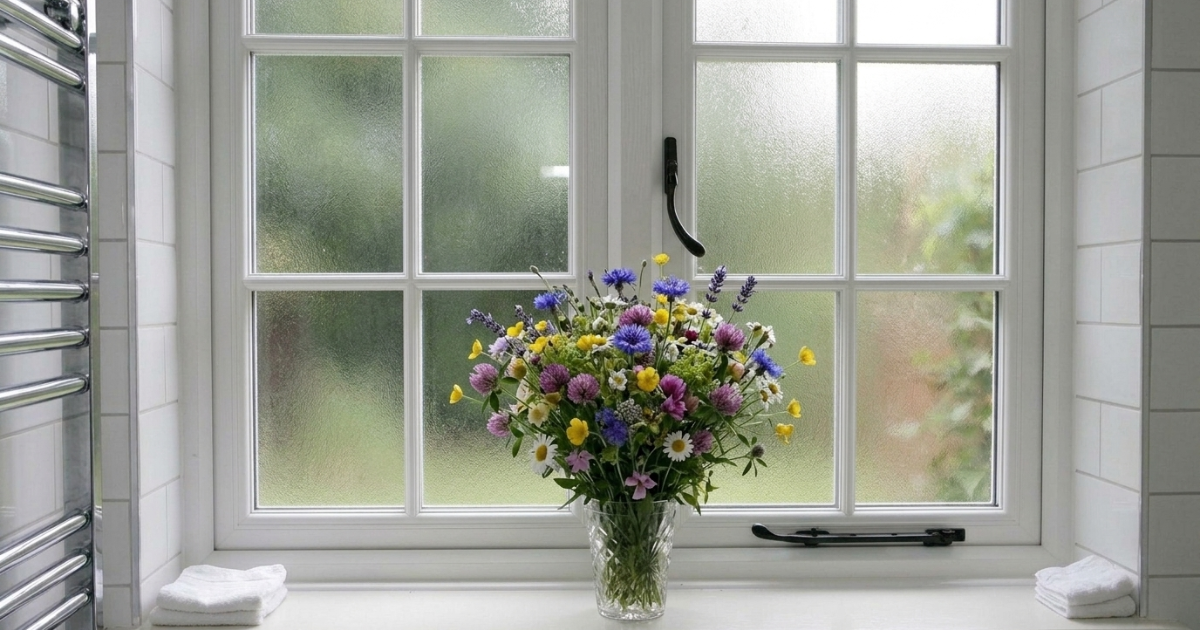
What the Building Regulations Say
Ventilation is covered by Approved Document F of the Building Regulations. The 2021 edition took effect in England on 15 June 2022, and it changed the guidance for replacement windows in existing homes. Replacement windows are a controlled fitting, so they need to meet these standards.
If Your Old Windows Have Trickle Vents
Your new windows should also have trickle vents, and they must be no smaller than the vents in the windows being replaced. The vents must be controllable, either automatically or by you.
If Your Old Windows Have No Trickle Vents
New, airtight windows can reduce the ventilation in a room, so the guidance asks that ventilation is no worse than before. In most homes this means adding trickle vents with a minimum ventilation area of 8000mm² in each living room and bedroom, 8000mm² in the kitchen and 4000mm² in each bathroom.
Where the home has continuous mechanical extract ventilation, the requirement is lower, with vents of at least 4000mm² in each habitable room. Where a room already has a suitable wall ventilator, that can count towards the ventilation, and extra vents may not be needed. Rooms with open-flued appliances, such as some gas fires and stoves, need their own permanent air vents for combustion, separate from the trickle vents.
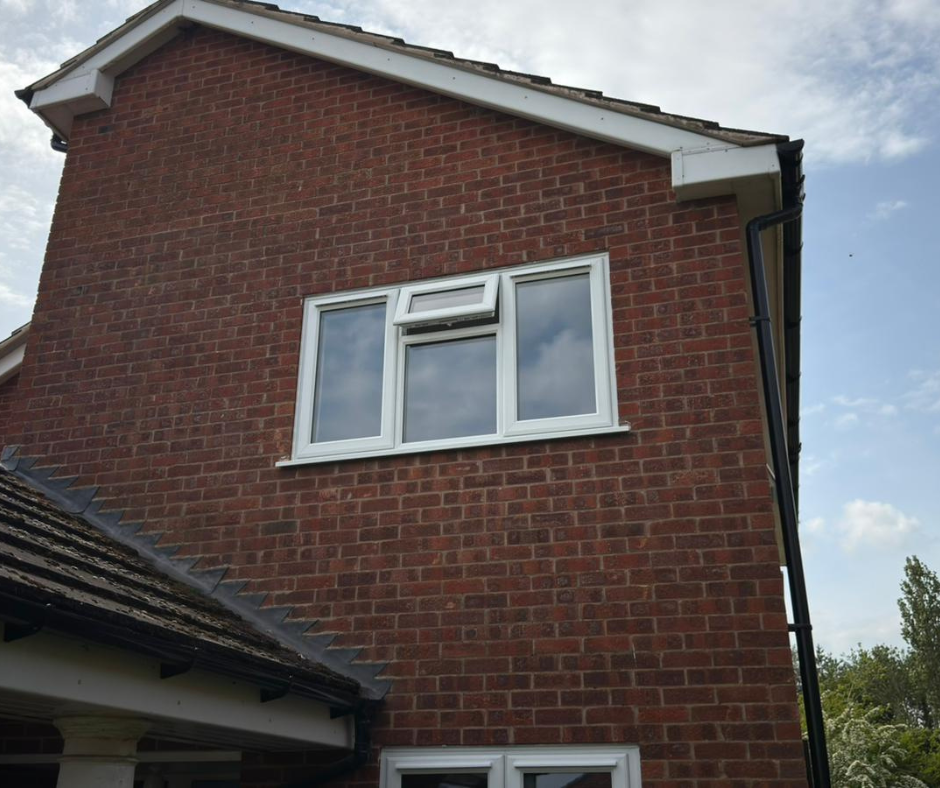
What Does Not Count
A window locked slightly open on a night latch is not accepted in place of trickle vents, because it does not give adequate security. A signed disclaimer saying the vents are not wanted, or will be added later, does not meet the regulations either. We explain this at the survey stage, so there are no surprises on the day of fitting.
Listed Buildings, Conservation Areas and Older Homes
Listed buildings, homes in conservation areas and older buildings with breathable construction, such as stone walls or lime mortar, can be treated differently. Even then, the guidance asks that the ventilation standards are met where reasonably practicable, with care taken to protect the character of the building.
This matters across the Cotswolds and South Warwickshire, where stone cottages and period homes sit within conservation areas in towns and villages. Early conversation with your local council helps, and we can help you plan the right approach. For older properties, our windows for period properties are designed to keep the look of traditional windows, with vents positioned discreetly.
How Many Vents Does a Window Need?
Each trickle vent has a rated equivalent area, which reflects how much air it actually lets through. To reach 8000mm² in a room, a wide window may have one long vent or two shorter vents, and a room with two windows can share the total between them.
We work out the ventilation for each room at the survey, taking into account the size of the windows, the use of the room and any ventilation already in place, such as extractor fans or wall vents. The vents are then built into the frames in our own factory near Stratford-upon-Avon, so they are planned in from the start.
Neat, Discreet Fitting
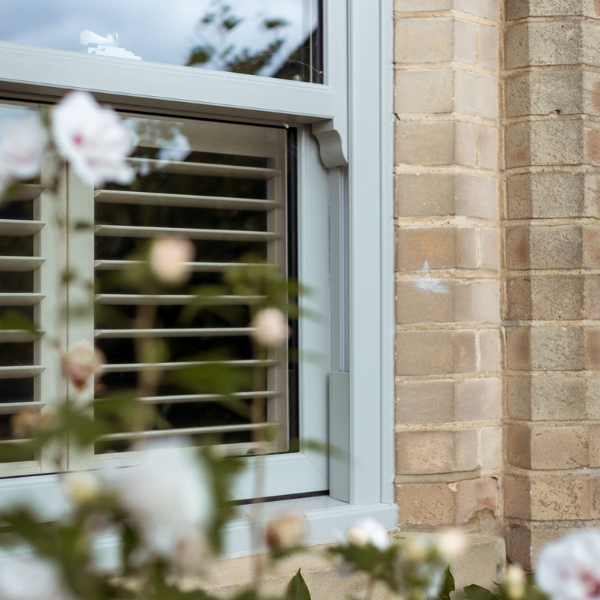
Trickle vents are usually fitted through the top of the frame, where they are hardly noticeable from inside or out. Vents come in colours to match the frames, so a white window has white vents, and a coloured window, such as our flush casement windows in Anthracite Grey, has vents that blend in.
Acoustic trickle vents are also available, which reduce the noise coming through the vent. They suit bedrooms facing a busy road and homes near railway lines.
Using and Caring for Your Trickle Vents
Keeping your vents open does the most good in the rooms where moisture builds up, such as bedrooms overnight, kitchens and bathrooms. You can close them on very windy days or in a storm, and open them again afterwards.
Care is simple. A gentle vacuum with a brush attachment every few months clears dust and keeps the air flowing. Avoid painting over the vents or blocking them with curtains and blinds, so they can do their job.
Compliance Taken Care Of
As a Certass registered installer, we self-certify your installation under a Competent Person Scheme and notify building control for you. You receive a Building Regulations compliance certificate, which is useful to keep with your house documents for when you come to sell.
Your windows are made in our own factory, fitted by installers who work full time for Prior Products, and backed by an insurance-backed 10-year guarantee.
Frequently Asked Questions
Do all replacement windows need trickle vents?
In most cases, yes. Rooms that already have suitable background ventilation, such as a compliant wall vent or a whole-house ventilation system, may need fewer or smaller vents. We check this during your survey.
Can I choose not to have trickle vents?
A signed disclaimer does not meet the regulations, so trickle vents are fitted where the guidance requires them. Once fitted, you can open and close them as you like.
Will trickle vents make my home cold?
Trickle vents let in a small, controlled flow of air. Combined with energy-efficient double glazing, your home stays warm, and the fresh air helps keep condensation and mould away.
Do trickle vents let in noise?
Standard vents let in a little sound when open. Acoustic trickle vents reduce this, and they are a good choice for rooms facing a busy road.
Do trickle vents affect security?
No. The window stays closed and locked, and the vent opening is far too small to give access.
Do new doors need trickle vents too?
Some doors may need background ventilation depending on the room. We advise on this when we survey your home.
Can I spread the cost?
Yes. We offer 0% finance options. Find out more about our finance options.
For advice on new windows and ventilation, call us on 01789 720222 to arrange a free home visit.