

Composite or uPVC Front Door: Which Is Right for You?
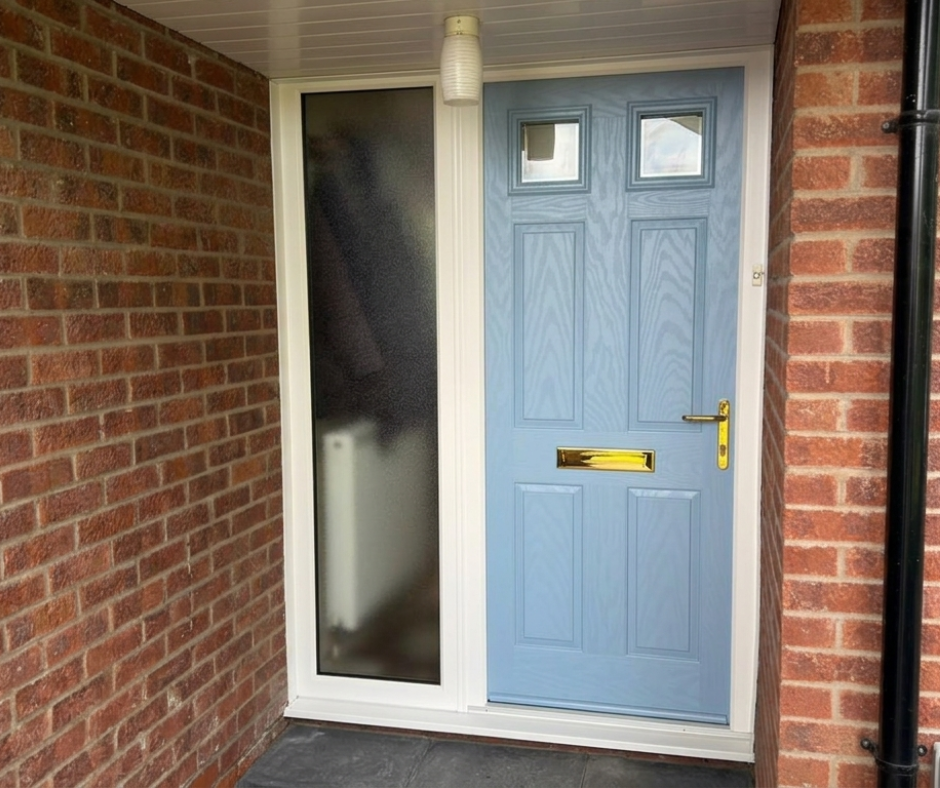
Your front door is the first thing visitors notice and the door you use every day. Composite and uPVC front doors are both warm, secure and low maintenance, and each has its own strengths. The right choice comes down to the look you want, the size of your doorway, the style of your home and your budget.
We have fitted front doors across Warwickshire, Worcestershire, Gloucestershire, Oxfordshire and the Cotswolds for 36 years. This guide explains how the two are built, how they compare, and how the size of the opening and the need for side panels can shape your decision.
Composite and uPVC Doors at a Glance
Construction: A composite door has an insulated core with a tough outer skin. A uPVC door has a reinforced uPVC frame with an insulated panel.
Feel: A composite door is thicker and heavier, typically around 44mm or more, with a solid, reassuring close. A uPVC door panel is usually around 28mm and lighter to open.
Looks: Composite doors offer the widest choice of colours, woodgrain finishes and heritage styles. uPVC doors match uPVC windows neatly and suit a wide range of homes.
Value: A uPVC door usually costs less. A composite door costs more and gives a more substantial, timber-look finish.
Best for: Composite suits front doors where kerb appeal matters most. uPVC suits back doors, side doors and front doors where value is the priority.
What Is a Composite Door?
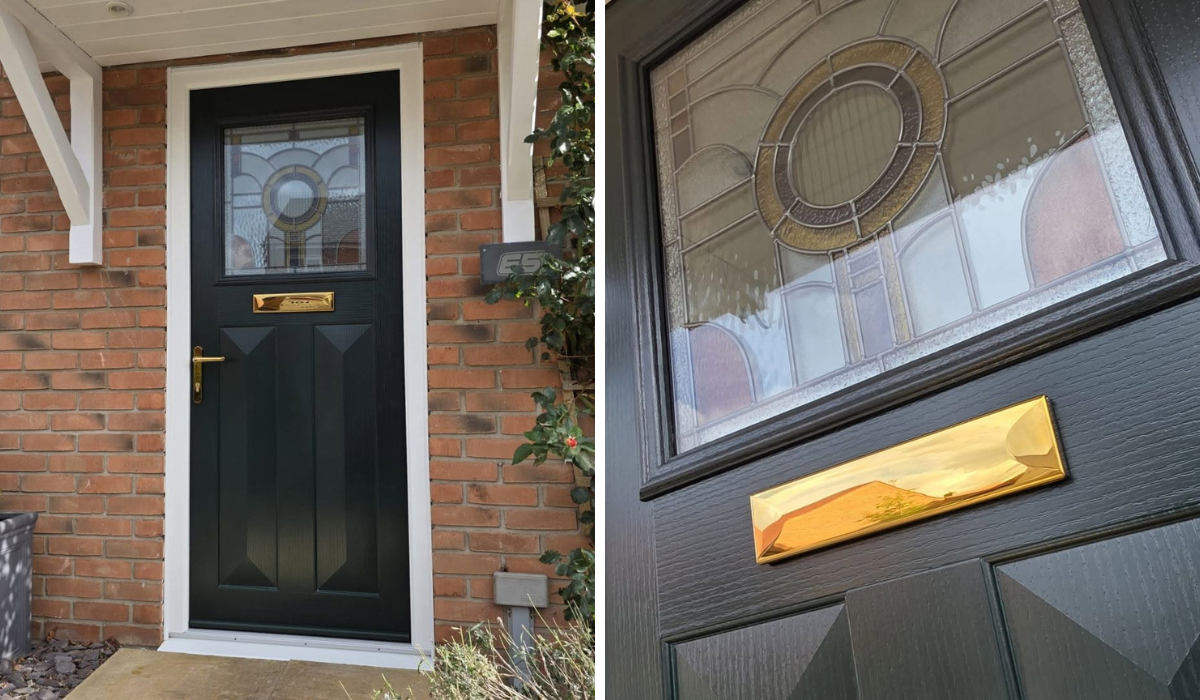
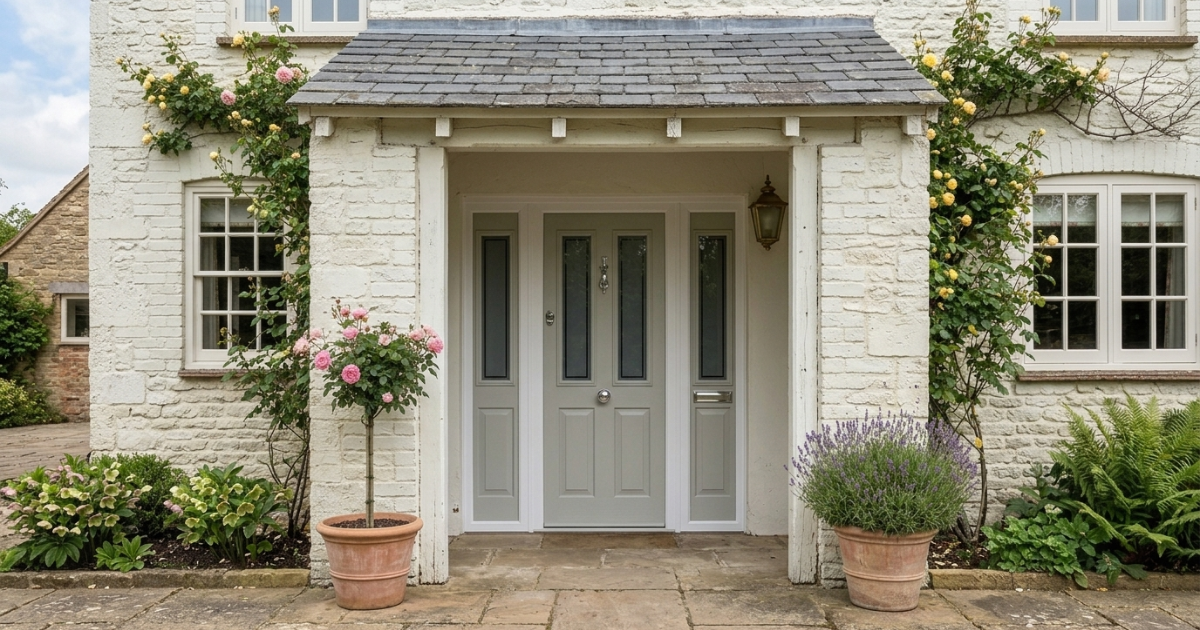
A composite door is built from several materials working together. An insulated core gives it strength and warmth, and a tough, weather-resistant outer skin gives it the look of a freshly painted timber door, complete with a realistic woodgrain texture. The result is a door that looks traditional and needs very little looking after.
Composite doors are thicker than uPVC doors, so they feel heavier and close with a solid sound. That extra mass also helps with warmth and with reducing noise from the street, which makes a real difference on busy roads.
Our composite doors are made to measure, with multipoint locking, insulated cores and weather-resistant, low-maintenance finishes. We also offer the Solidor range, with a wide choice of traditional and contemporary designs and Ultion locks.
What Is a uPVC Door?
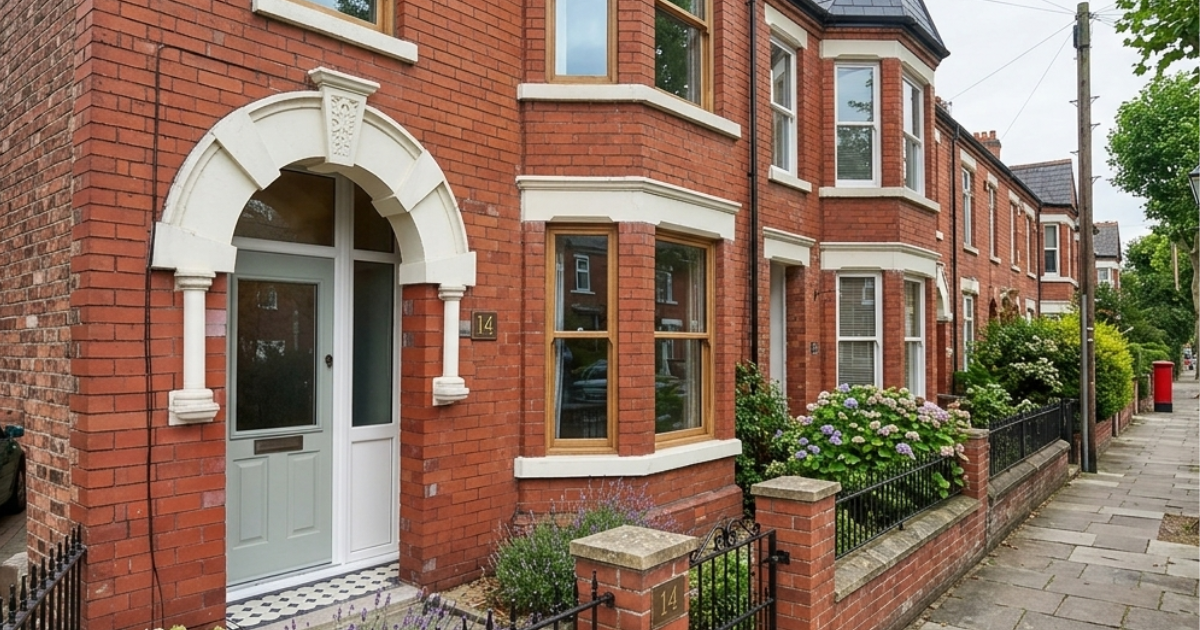
A uPVC door has a strong, reinforced uPVC frame with an insulated panel, which can be solid, glazed or a mix of both. It is warm, practical and great value, and it suits a wide range of homes, from modern houses to bungalows.
Our uPVC entrance doors are made in our own factory near Stratford-upon-Avon, which gives us full control over quality and finish. Because they are made from the same profiles as our windows, they match uPVC windows perfectly, with the same colours and sightlines across the whole house.
uPVC doors are a popular choice for back doors, side doors and utility rooms, and for front doors where value is a priority. They are also ideal for fully glazed designs, where you want as much light as possible coming into the hall.

The Size of the Opening and Side Panels
The size of your doorway often decides which door works best, so it is one of the first things we measure on a home visit.
Standard Doorways
If your opening suits a single front door, both composite and uPVC doors are made to measure to fit it exactly. Here the choice comes down to looks, feel and budget.
Wider Openings
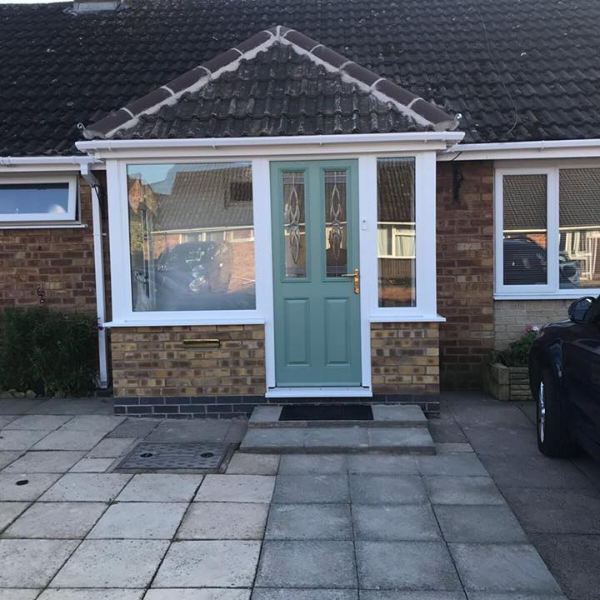
Where the opening is wider than a single door, side panels fill the extra width. A side panel sits on one or both sides of the door and can be fully glazed, partly glazed or solid. Glazed side panels bring daylight into the hallway, and obscure or decorative glass keeps your privacy from the street.
Side panels are often the deciding factor. If you are replacing an old door with wide sidelights, or your hallway is dark and needs more light, a uPVC door with large glazed side windows can give you more glass for your budget. If you want a statement entrance, a composite door with matching side panels gives a grand, balanced frontage. Our Solidor composite doors are available with side panels in matching colours and styles.
Tall Openings
Where the opening is taller than a standard door, a top light above the door fills the space and brings in more light. A top light can be clear or decorative, and on period homes a fanlight-style design suits the character of the house.
Small and Narrow Doorways
Older homes across the Cotswolds and Warwickshire often have lower or narrower doorways than modern houses. We make small composite doors from 1740mm high, so a period cottage or farmhouse can enjoy a modern, secure door that still sits naturally in its opening.
Security and Warmth
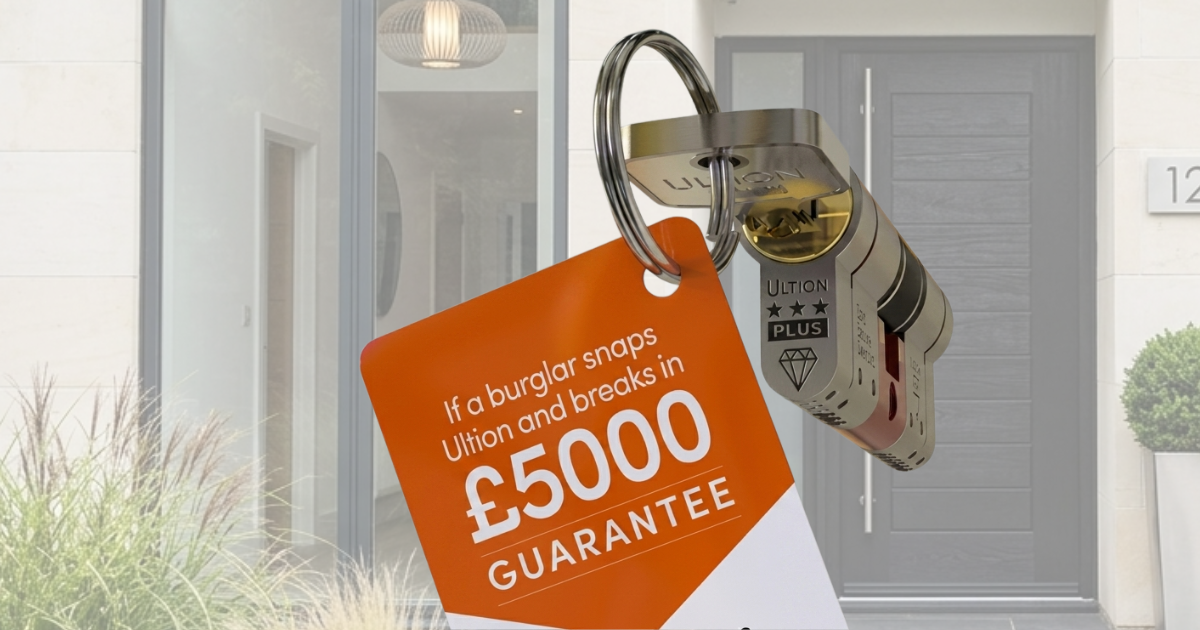
Both types of door come with multipoint locking, so the door locks into the frame at several points along its length. A quality cylinder and handle set completes the picture, and our Solidor doors come with Ultion locks.
A composite door has a thick, insulated core, which gives it excellent thermal performance and a reassuring weight. A uPVC door is also well insulated and keeps draughts out effectively. Either way, your hallway stays warmer and quieter, and the heating has less to make up for.
Every door we fit is installed by our own employed installers and backed by an insurance-backed 10-year guarantee. As a Certass registered installer, we make sure your new door meets the Building Regulations and take care of the paperwork for you.
Colours, Styles and Period Homes
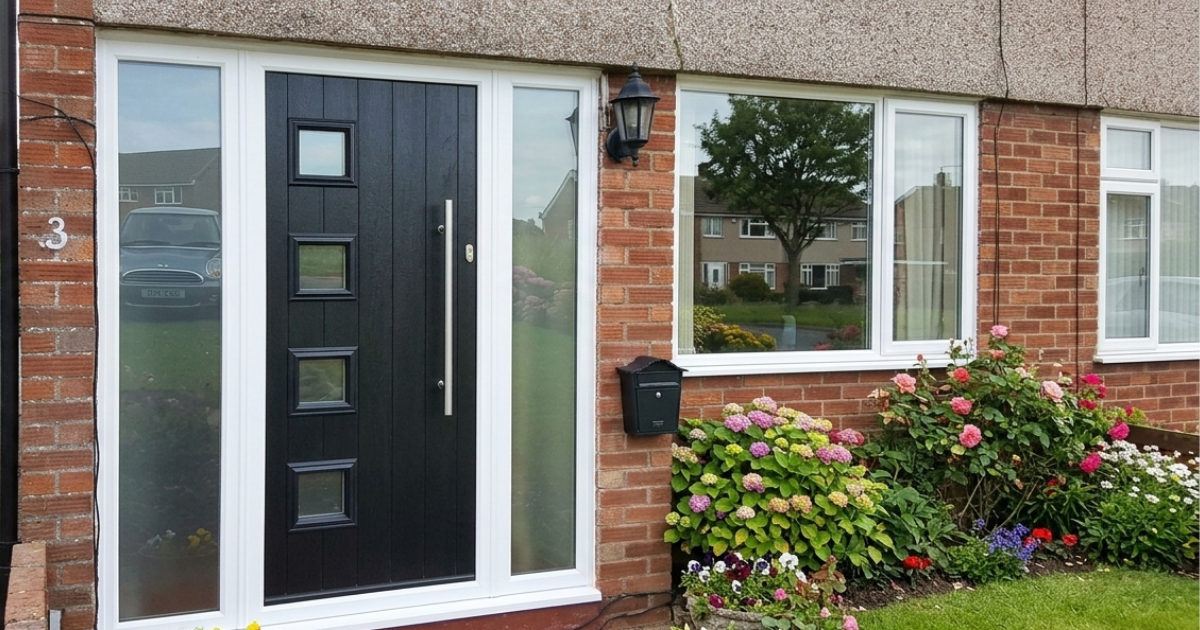
Composite doors offer the widest choice of colours and woodgrain finishes, along with traditional and contemporary styles and a range of decorative glass. They are the natural choice if you want a heritage look, or a bold colour that makes a statement against red brick or Cotswold stone. You can try different colours, styles and handles on our Composite Door Designer before your home visit.
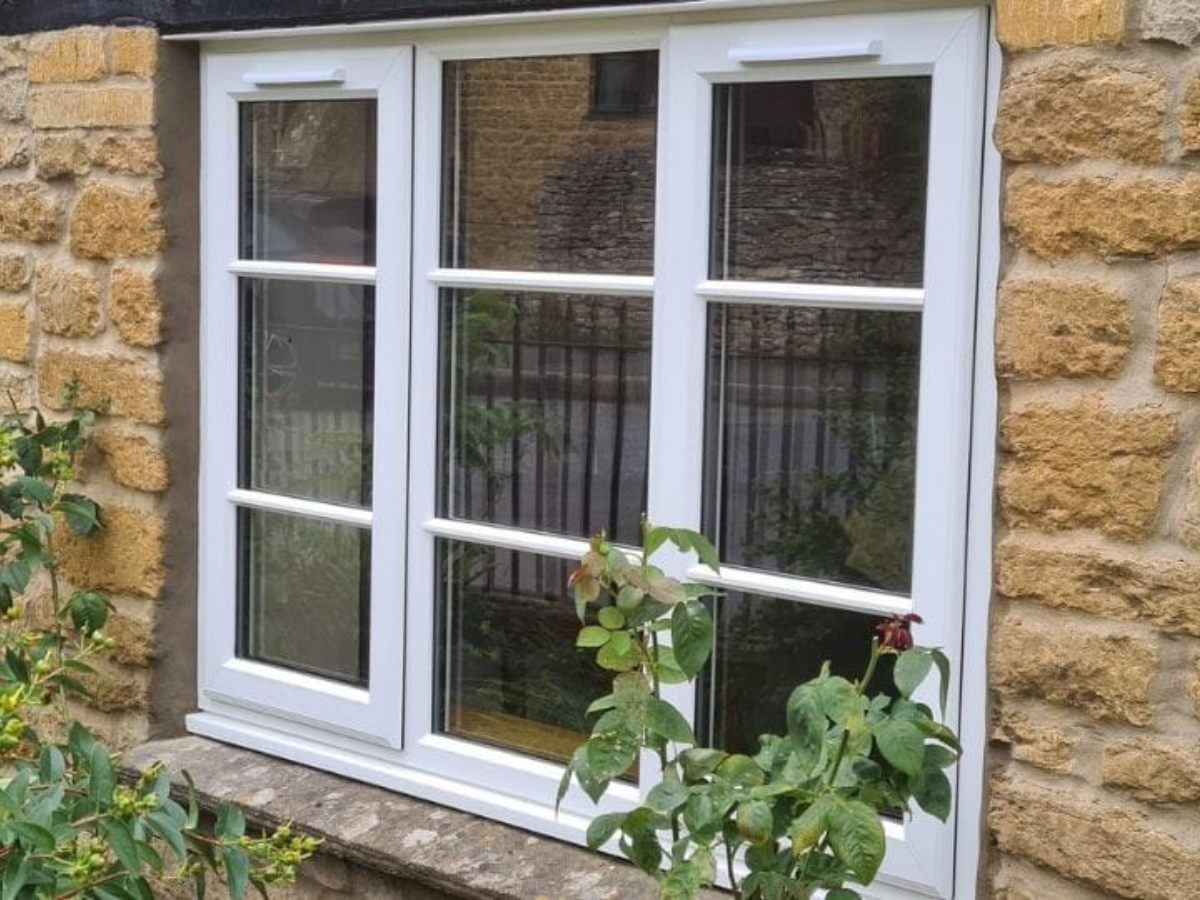
On a period home, the door and windows work together. A traditional panelled composite door in a heritage colour looks its best alongside windows with the right proportions and detailing. Our windows for period properties are designed to keep the look of traditional windows, and our heritage doors suit older homes where character matters. Planning the door and windows together gives the whole frontage a consistent, finished look.
For cottages and farmhouses, a stable door is another option, with a top half that opens on its own for fresh air and the bottom stays closed.
Which Door Suits Where?
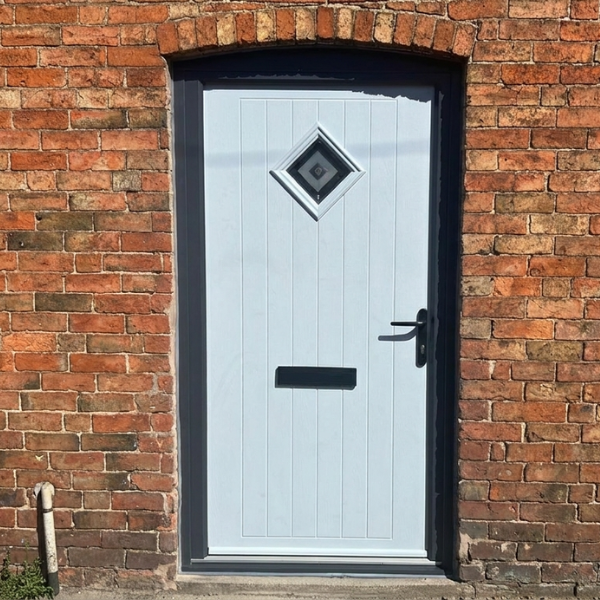
For a front door, composite is a popular choice for its solid feel, colour choice and kerb appeal. For back doors, side doors and utility rooms, uPVC is practical and affordable, and it matches your windows neatly. Back doors are getting more attention too, and a composite back door in a colour that suits the garden gives the rear of the house a considered finish.
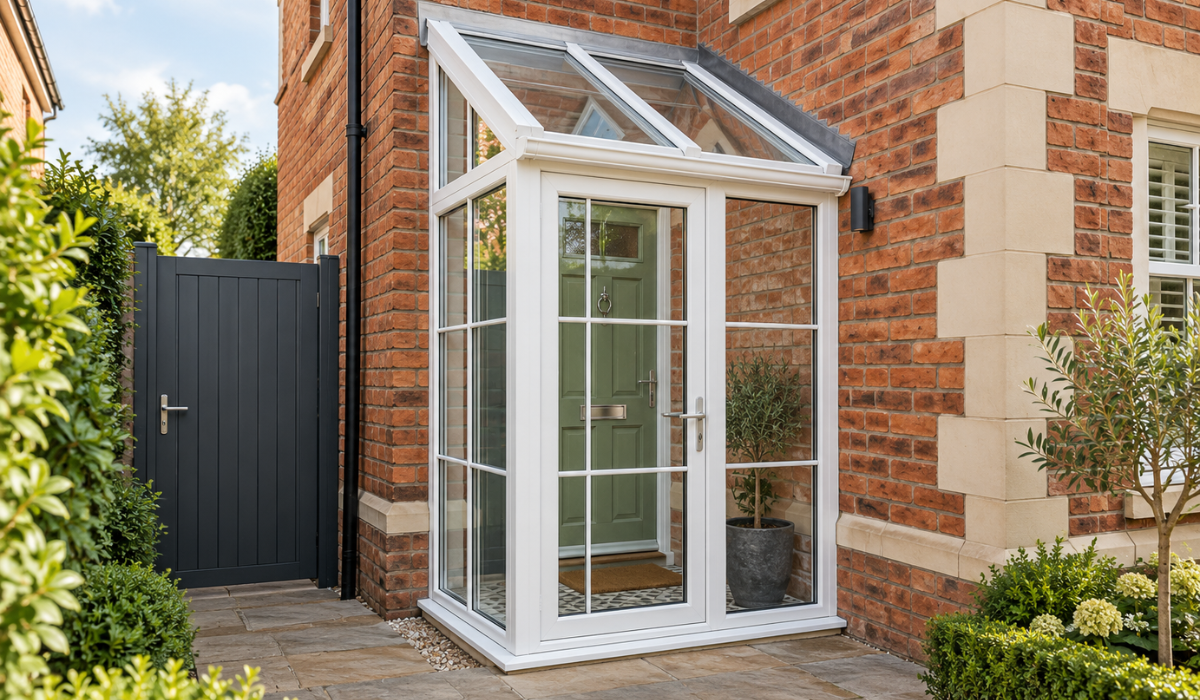
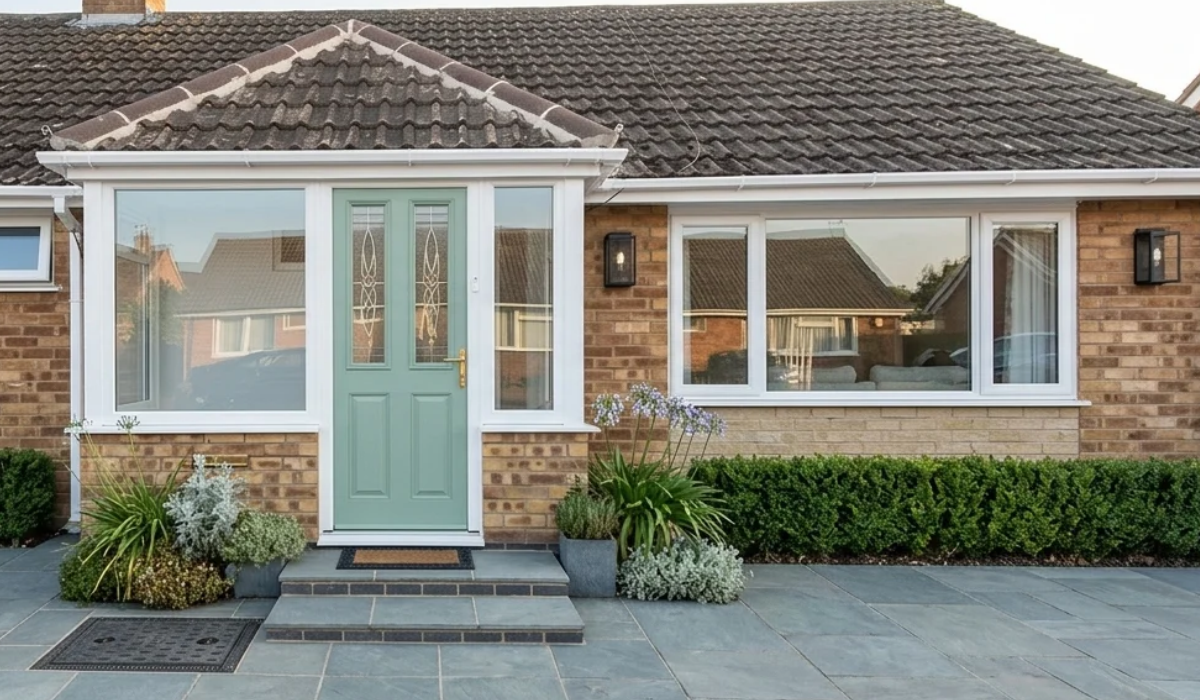
If you are adding a porch, both work well as the outer door, and we match the style to the rest of the frontage. Our uPVC porches can be fitted with a uPVC, composite or Solidor door.
Cost and Value
A uPVC door usually costs less than a composite door of the same size. Composite doors cost more because of their thicker core, timber-look finish and wider choice of styles. Side panels, top lights, glass designs and door furniture all add to the cost of either door, so we give you a clear quotation for the full doorset once we have measured the opening.
Lifespan and Care
Both doors are built to last for decades with very little maintenance. A composite door needs an occasional wipe down to keep its colour fresh. A uPVC door needs the same, with a little attention to the hinges and locks now and then to keep everything working smoothly.
Frequently Asked Questions
Are composite doors better than uPVC doors?
Each suits different needs. Composite doors offer a more solid feel, a timber look and the widest choice of colours. uPVC doors offer excellent value, match uPVC windows neatly and suit fully glazed designs.
Do I need side panels with my new front door?
It depends on the width of your opening. If the doorway is wider than a single door, side panels fill the extra space and bring more light into the hall. We measure the opening and show you the options during your home visit.
Can I have a composite door with glass side panels?
Yes. Composite doors can be fitted with matching side panels on one or both sides, glazed or solid, with a choice of decorative and obscure glass.
Do composite doors need painting?
No. The colour is part of the outer skin, so a gentle clean now and then keeps the door looking its best.
Can you fit a door to a small or unusual doorway?
Yes. Every door is made to measure, and our small composite doors start from 1740mm high for period homes.
Which door is warmer?
Both are well insulated. A composite door has a thicker insulated core, which gives it a slight edge in warmth and in reducing outside noise.
Can I spread the cost?
Yes. We offer 0% finance options. Find out more about our finance options.
To see composite and uPVC doors side by side, visit our showroom or call us on 01789 720222 to arrange a free home visit.