


How to clean your double and triple glazed windows
How to Clean Double Glazed Windows and Secondary Glazing
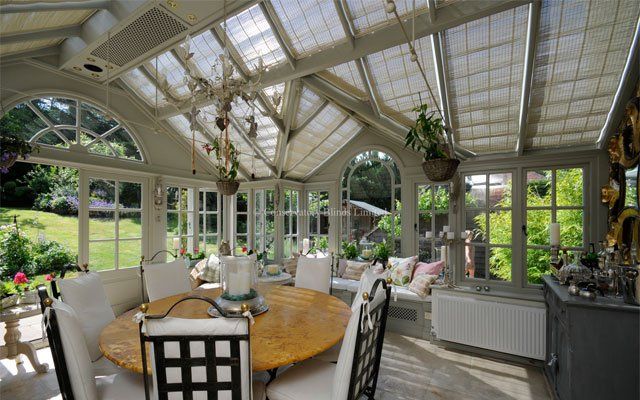
Cleaning upstairs windows or reaching the glass above a conservatory can be awkward. The way your windows open makes a considerable difference, particularly when you want to clean the outside from indoors.
Here we explain how to clean double and triple glazed windows, how to reach between secondary glazing and the original window, and which opening styles make the job easier.
How to clean double and triple glazed windows
The accessible glass surfaces on double- and triple-glazed windows can be cleaned in the same way. Start by removing loose dust and grit, then use a soft cloth with lukewarm water and a little mild detergent. Finish with a clean squeegee or lint-free cloth, wiping around the edges to catch any remaining water.
Choose a cloudy day or work while the windows are shaded. Strong sunshine dries the water quickly and can leave streaks before you have finished.
Wash the frames with a separate soft cloth and mild soapy water. Clean the sill and accessible corners too, where dust, insects and garden debris tend to collect. Use cleaning products suitable for your particular frame finish and any specialist glass coatings.

How to clean secondary glazing
Secondary glazing is an additional window fitted on the room side of your existing window. The space between them is accessible for cleaning, although the method depends on the system installed.
Many secondary glazing systems have panels designed to lift out. Others slide, hinge open or tilt inwards. Opening or removing the appropriate panel allows you to clean the back of the secondary glass and the room-facing surface of the original window.
Check the operating instructions before releasing a panel. Lift-out sections can be heavier than they look, particularly on a large window, and may need two people to handle them comfortably.
Once you have access, remove loose dust from the gap and tracks, then clean the glass with a soft cloth and a suitable cleaner. Allow the surfaces to dry before refitting the panel, making sure all catches and retainers are properly secured.
If you are choosing new secondary glazing, ask how each panel opens for cleaning. This is especially useful for tall windows, wide bays and windows behind furniture.

Can you clean between the panes of double glazing?
The gap inside a double or triple glazed sealed unit is enclosed during manufacture. The panes stay together as one unit, and this internal space is not accessible for routine cleaning.
If a mark remains after you have cleaned both exposed surfaces, it may be inside the unit. Persistent misting between the panes can indicate a problem with the seal and should be assessed by a glazing professional. Depending on the condition of the window, replacing the glass unit may be possible while keeping the frame.
Secondary glazing works differently because the additional panel is separate from the original window. That is why you can usually gain access to clean the space between them.
Sash windows that tilt inwards for cleaning
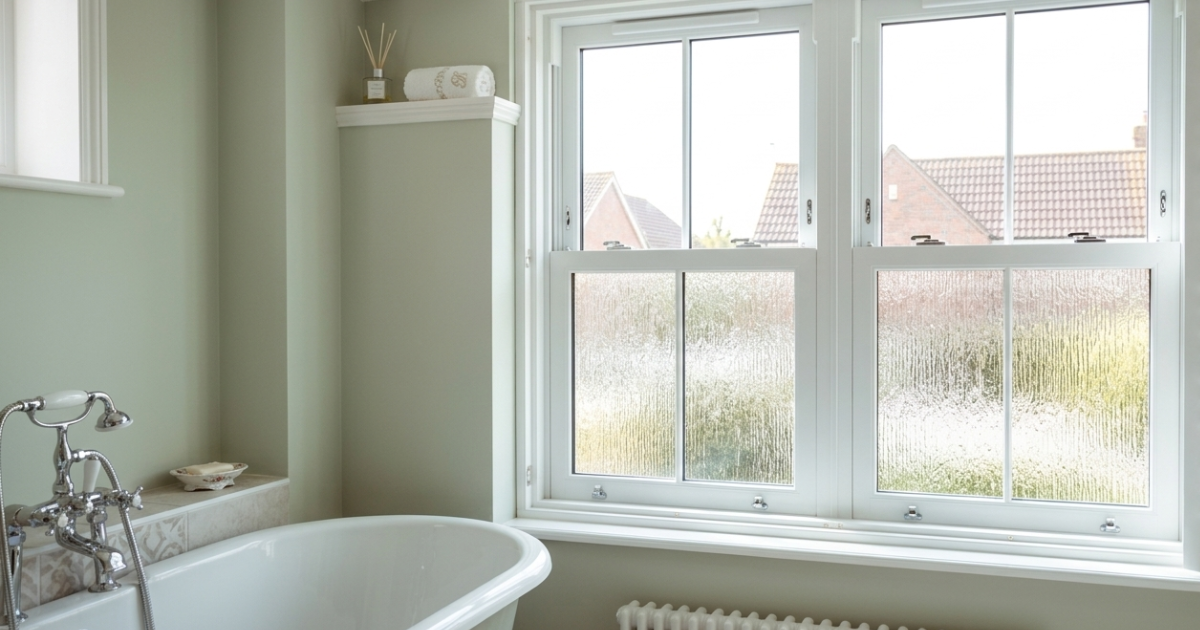
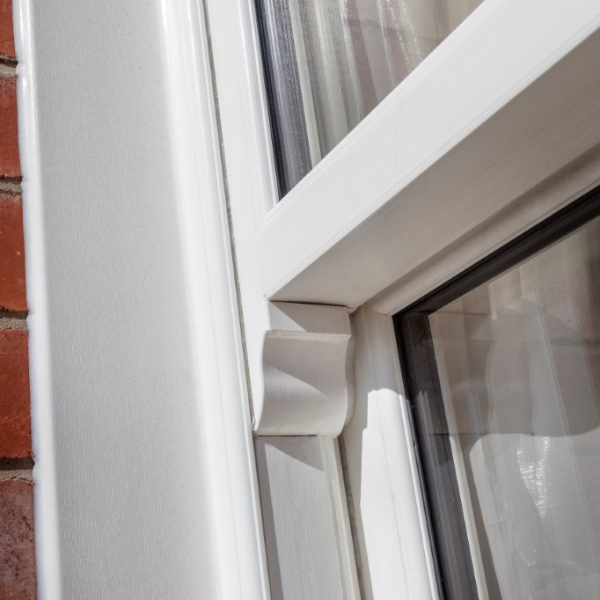
Many modern uPVC sliding sash windows have a tilt-in facility. The opening sections slide vertically for everyday use, then tilt into the room to give access to the outer glass.
This can be particularly useful in an upstairs bedroom overlooking a narrow passage, or at the front of a terrace where outside access is awkward. You can retain the familiar sash-window appearance while making both sides of the glass easier to reach from indoors.
When comparing sash windows, ask whether both the upper and lower sashes tilt and have someone demonstrate the mechanism. The sections need supporting as directed by the manufacturer, with enough clear space inside the room to lower them safely.
Tilt and turn windows make the outer glass easier to reach
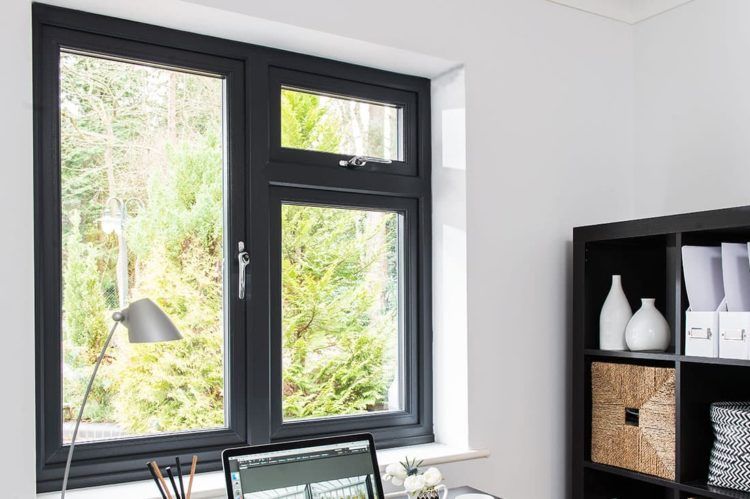
Tilt and turn windows offer two opening positions. The tilt setting provides ventilation at the top, while the turn setting opens the sash inwards on side hinges.
For cleaning, the inward-opening position brings the outside face of the glass within reach from the room. This is useful upstairs and where a conservatory, extension or other obstruction makes access from below difficult.
Consider the space inside as well. A deep sill filled with plants, a tap in front of a kitchen window or closely fitted blinds can obstruct the opening sash. Planning the window around the room helps you make full use of the cleaning access.
What about ordinary casement windows?
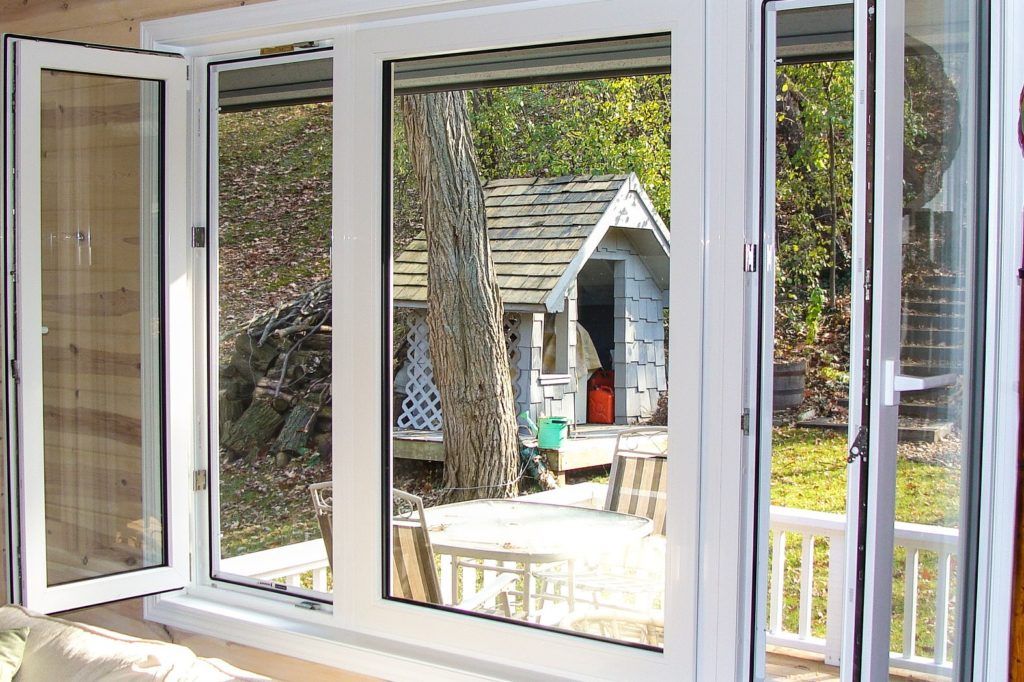
Some casement windows have easy-clean hinges that allow the opening sash to move across, creating a gap through which you can reach the outer glass. Availability and operation vary between window designs.
Ask for a demonstration rather than assuming every side-opening window has this feature. The size of the opening and your ability to reach comfortably will determine how useful it is.
For glass that remains beyond safe reach, a professional window cleaner with suitable equipment is the practical option. Keep your feet firmly inside the room when cleaning upstairs windows.
Choosing windows that are easier to look after
When replacing windows, think about how you will clean them in five or ten years’ time. A window above a porch roof, a narrow side passage or a large upstairs opening may benefit from a different design from an easily reached ground-floor window.
At Prior Products, we can demonstrate the opening arrangements and discuss which options suit your home. Visit our Stratford-upon-Avon showroom or book a free home visit to compare the choices.
Cleaning mould around windows
Mould often appears along the bottom of the frame, around the seals or on the surrounding plaster where condensation collects. You might notice it behind closed bedroom curtains or in a bathroom where the window stays wet after showers.
For small patches on glass or uPVC frames, use a mould cleaner suitable for the surface and follow the product instructions. Wear gloves, ventilate the room and use a cloth to remove the residue. Check suitability before applying it to rubber seals, coloured finishes or painted surfaces, and keep cleaning products separate.
Cleaning removes the visible mould, but recurring growth needs the source of moisture addressed too. Wipe away condensation, use extractor fans when cooking or showering, and keep trickle vents clear and open where fitted. Leaving space for air to circulate behind curtains and blinds can also help.
If mould keeps returning to one area, particularly around the wall or window reveal, arrange an inspection for possible leaks, damaged seals or a cold spot. Extensive mould or mould affecting porous materials may need professional treatment.
What about ordinary casement windows?
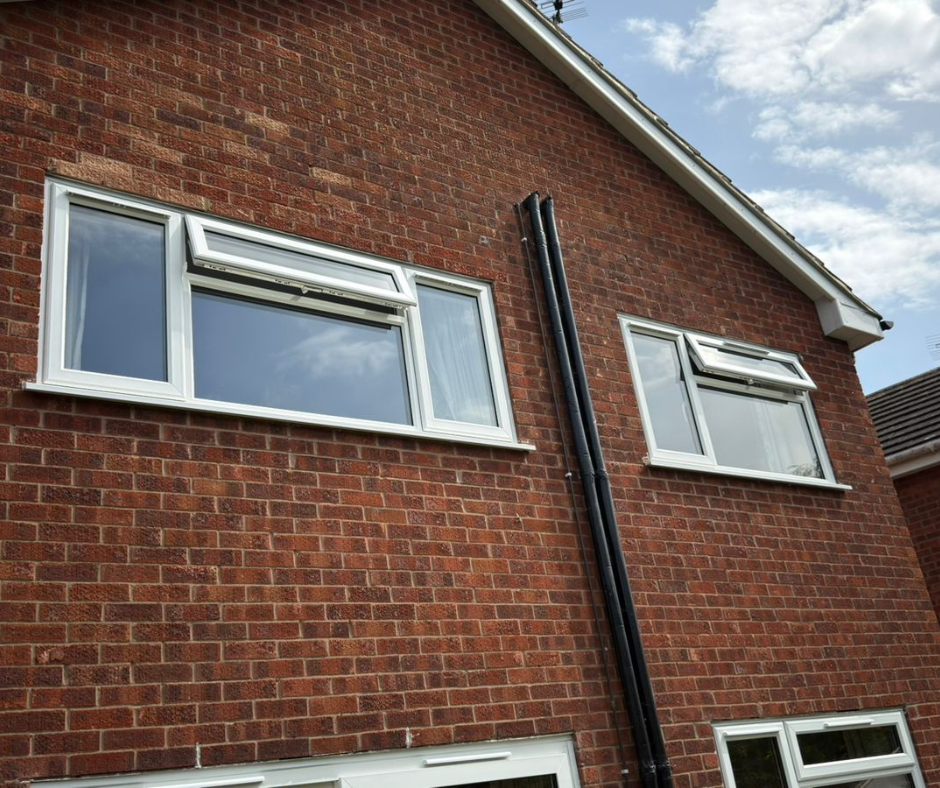
Some casement windows have easy-clean hinges that allow the opening sash to move across, creating a gap through which you can reach the outer glass. Availability and operation vary between window designs.
Ask for a demonstration rather than assuming every side-opening window has this feature. The size of the opening and your ability to reach comfortably will determine how useful it is.
For glass that remains beyond safe reach, a professional window cleaner with suitable equipment is the practical option. Keep your feet firmly inside the room when cleaning upstairs windows.
Choosing windows that are easier to look after
When replacing windows, think about how you will clean them in five or ten years’ time. A window above a porch roof, a narrow side passage or a large upstairs opening may benefit from a different design from an easily reached ground-floor window.
At Prior Products, we can demonstrate the opening arrangements and discuss which options suit your home. Visit our Stratford-upon-Avon showroom or book a free home visit to compare the choices.