

Traditional Front Doors
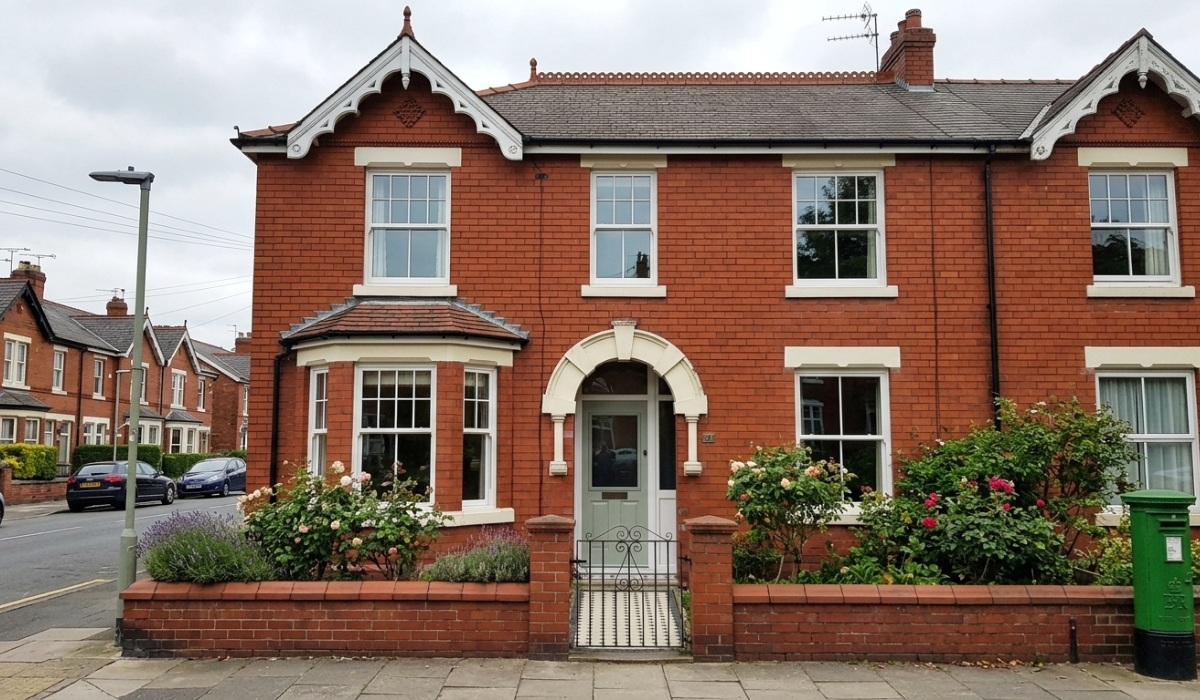
Period Style with Modern Benefits
If you live in or around Stratford-upon-Avon, you don't have to look far to find beautiful traditional front doors. From Victorian terraces and Georgian townhouses to cottages, farmhouses and village properties, the front door is often an important part of the character of the building.
The difficulty comes when you want to keep that character but would quite like your front door to behave as though it belongs in the 21st century.
An old wooden door can look wonderful. It can also swell when it's wet, shrink when it's dry, develop draughts, need regular painting and eventually become difficult to open, close or lock.
Fortunately, choosing a modern replacement doesn't mean losing the traditional appearance of your home.

What makes a front door look traditional?
There isn't one particular design that makes a door traditional.
Much depends on the age and style of the property. A front door that looks perfectly at home on a Victorian terrace may look completely wrong on a country cottage.
It's the combination of details that matters: the proportions of the door, the number and shape of the panels, the amount of glass, the colour, the door furniture and the way the entrance sits within the surrounding brickwork, stonework or render.
Fanlights, side panels, porches and arched openings can also be important features of an older entrance.
This is why choosing a traditional front door should start with the house rather than the door brochure.
Replacing a wooden front door without losing its character
Modern composite doors are particularly well suited to this.
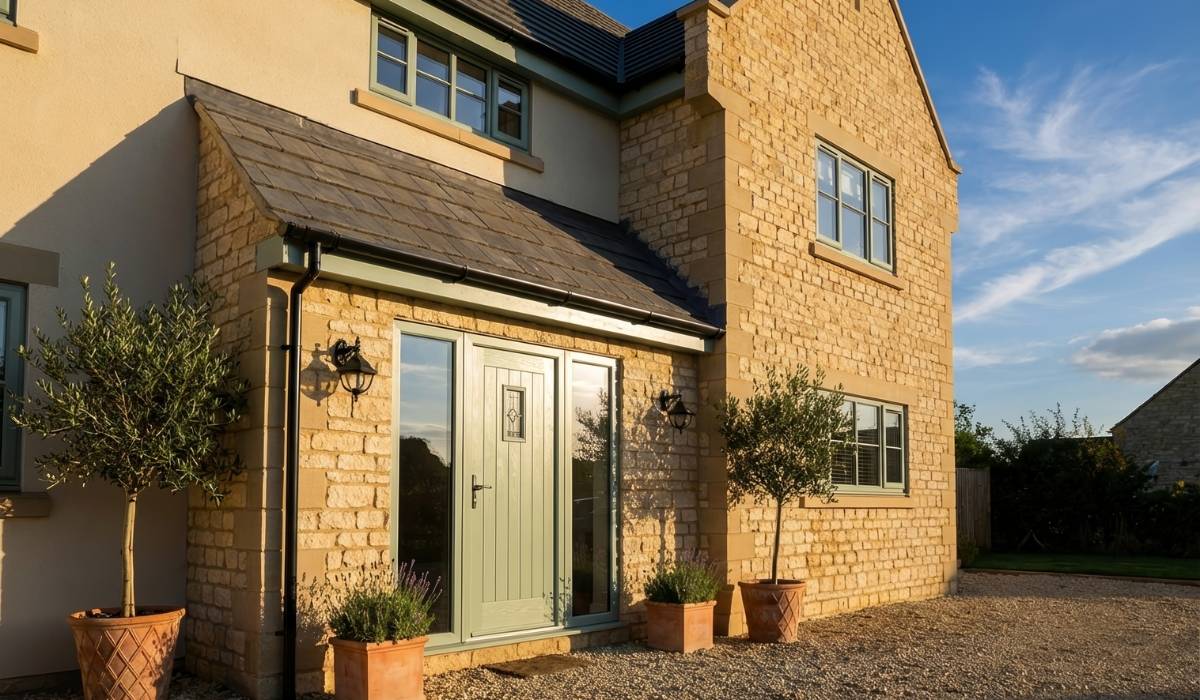
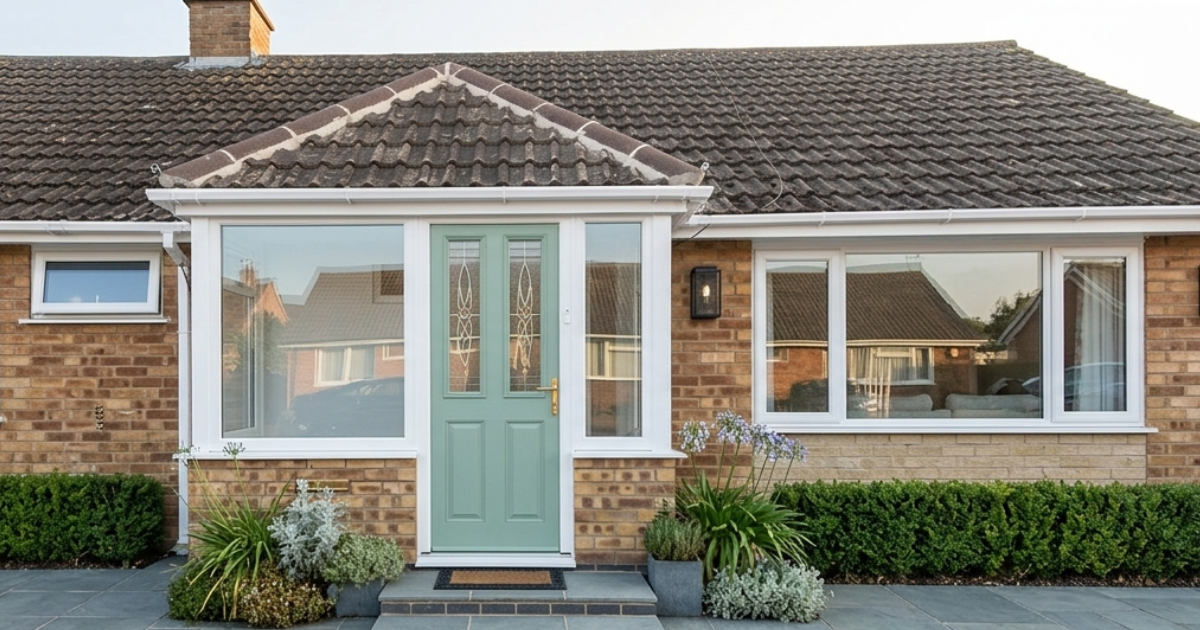
They can reproduce many of the features we associate with traditional timber doors, including woodgrain finishes, panelled designs, decorative glazing and traditional door furniture.
From the outside, you can create an entrance that feels entirely appropriate for an older property. Behind that traditional appearance is a modern door designed for today's expectations of warmth, security and everyday convenience.
There is also far less maintenance. There's no annual inspection of the paintwork, wondering whether this is the summer you're going to have to sand it all down and start again.
An occasional clean is generally all that's required to keep a composite door looking good.
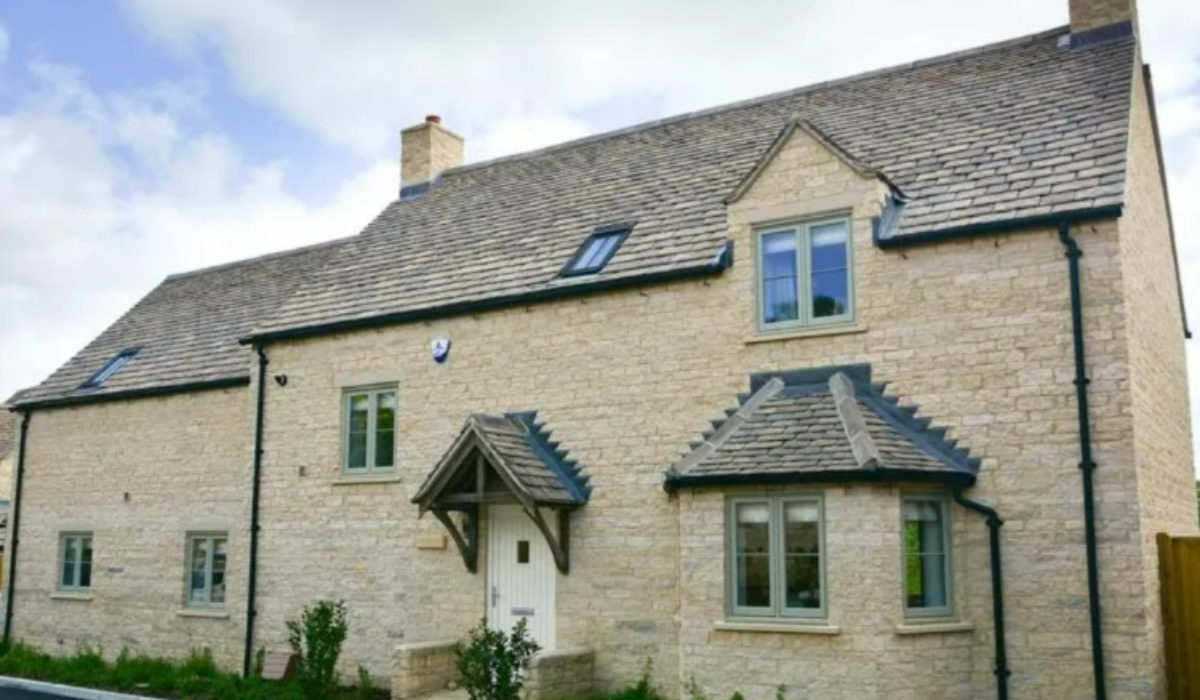
Traditional composite door styles
Traditional doesn't necessarily mean ornate.
Some of the most convincing doors for older properties are relatively simple. A solid panelled door with carefully chosen furniture can make a strong entrance, while glazed designs can bring more daylight into a darker hallway.
Farmhouse and cottage-style doors work particularly well on rural properties, while more formal panel arrangements can complement Georgian, Victorian and Edwardian homes.
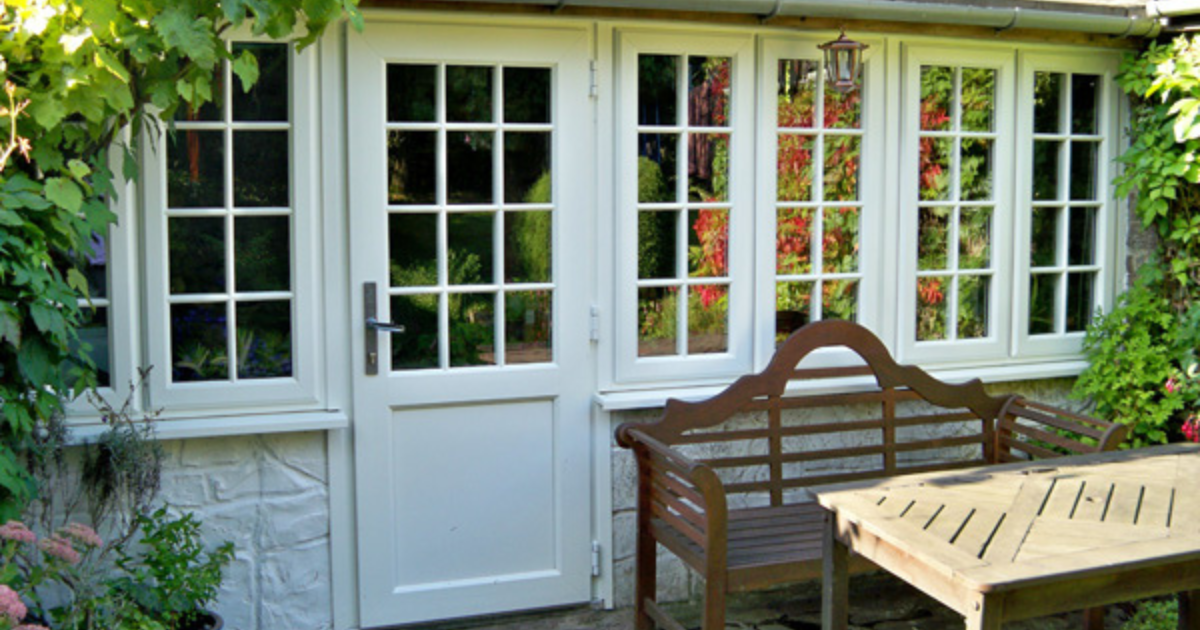
Decorative glass can add character too, particularly where the original entrance would have incorporated patterned, coloured or leaded glass.
The aim isn't to make every old house look the same. It's to find the details that make the new door feel as though it belongs there.
What if your front door isn't a standard size?
This is something we encounter frequently with older properties.
Modern houses tend to be built around standardised dimensions. Older houses weren't.
You may have a particularly narrow doorway, a shorter-than-usual opening or both. Over the years, previous alterations can make dimensions even more unusual.
That doesn't necessarily mean changing the opening to accommodate a standard door.
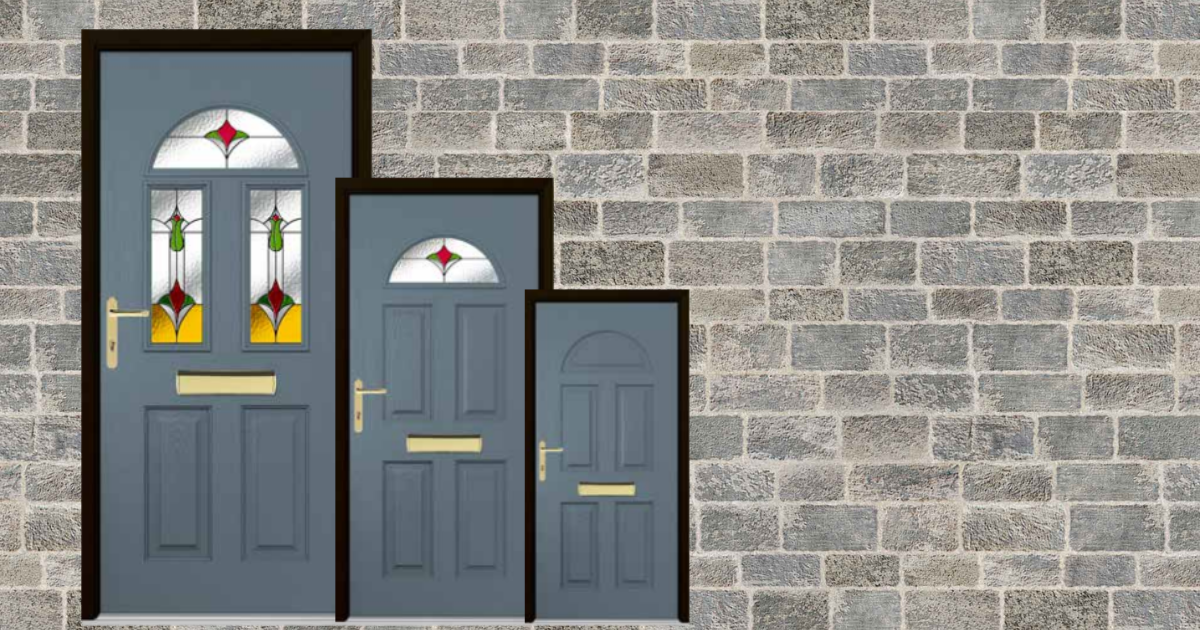
At Prior Products, we manufacture composite doors in our own factory and specialise in producing small composite doors, including doors that are shorter or narrower than standard sizes.
This can be particularly useful for cottages and older properties where preserving the proportions of the existing entrance is important.
Rather than making the house fit the door, we can look at making the door fit the house. Read more about our small composite doors.
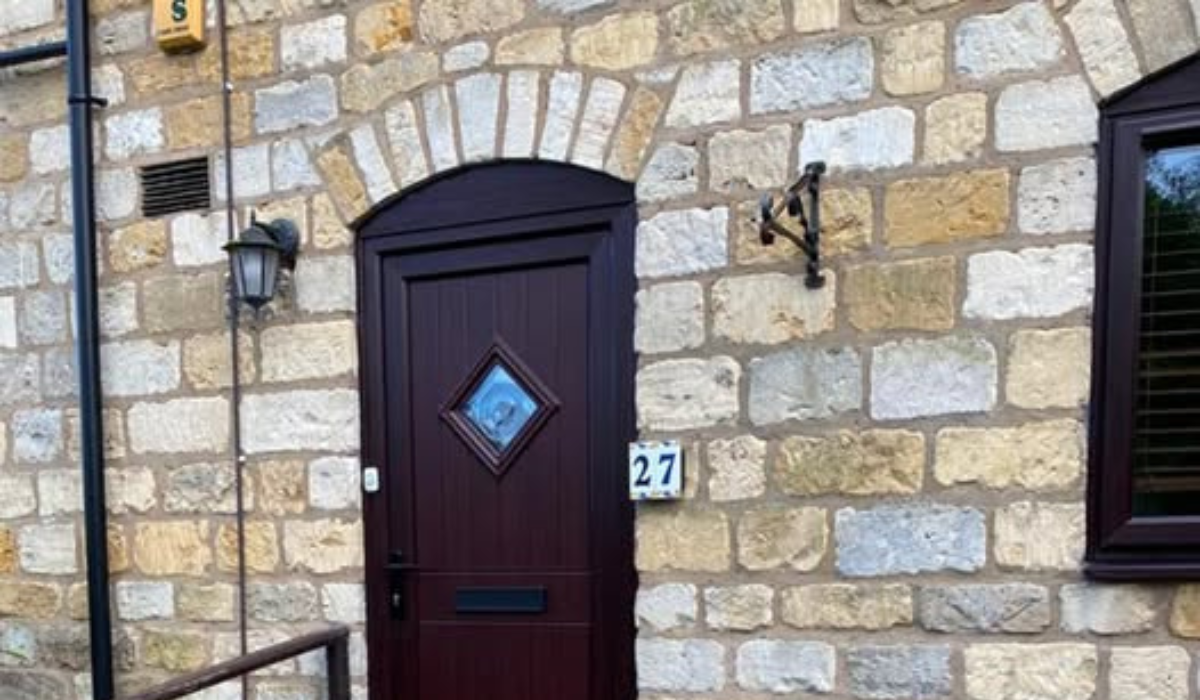
Unusual and arched doorways
Size isn't the only challenge presented by traditional properties.
Some homes have arched entrances, decorative fanlights, side panels or unusually shaped openings. These features may be an important part of the appearance of the property, so simply filling them in to create a conventional rectangular doorway can dramatically change the character of the entrance.
There may be several ways to approach an unusual opening.
The right solution depends on the dimensions, construction and appearance of the existing entrance, which is why we prefer to look at the property before recommending a particular door configuration.
Traditional outside, modern where it matters
The biggest advantage of a traditional-style composite door is that you aren't trying to recreate the performance of an old door.
You're recreating its character without compromising your comfort and security.
Modern composite doors offer much better thermal performance than many older timber doors, helping to reduce cold spots and draughts around the entrance.
Modern weather seals help keep wind and rain outside, while contemporary locking systems provide the level of security you would expect from a new front door.
You also get the everyday benefit of a door that opens, closes, and locks properly year-round.
Choosing a colour for a traditional front door
Colour can completely change the character of an entrance.
Deep greens, blues, reds and black have long been associated with traditional front doors, while softer heritage shades can work particularly well with stone, render and painted properties.
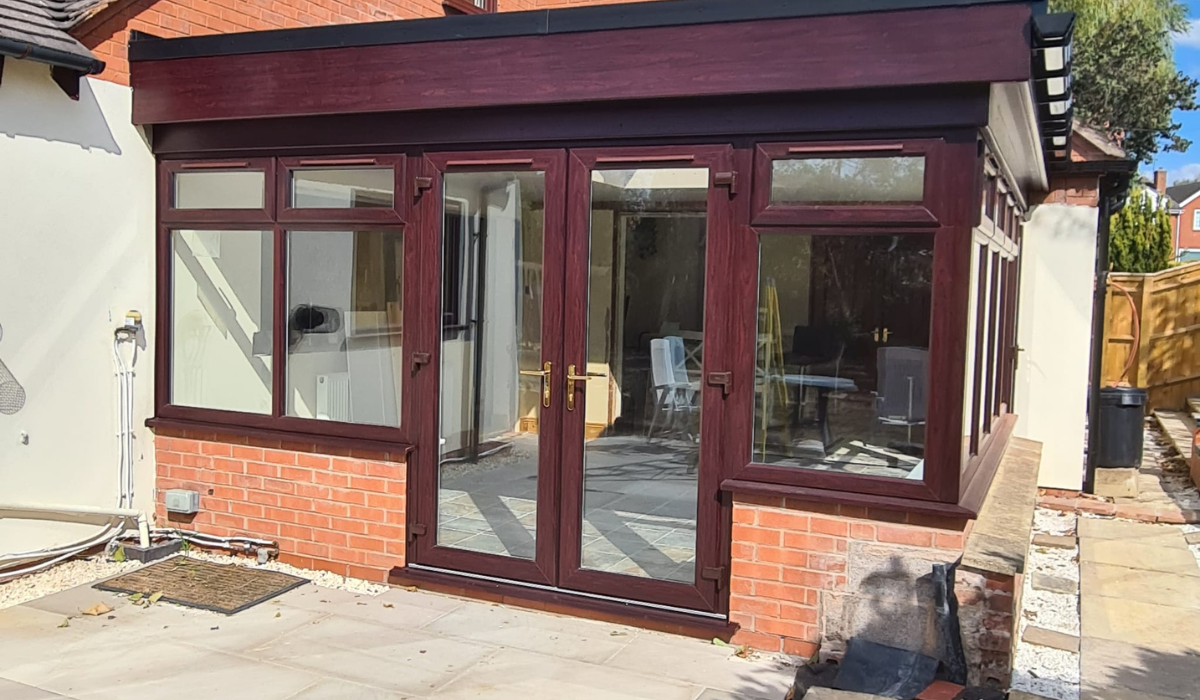
Wood-effect finishes are another option if you want to retain more of the appearance of a timber entrance.
But owning an older property doesn't mean you're restricted to a small palette of historically inspired colours.
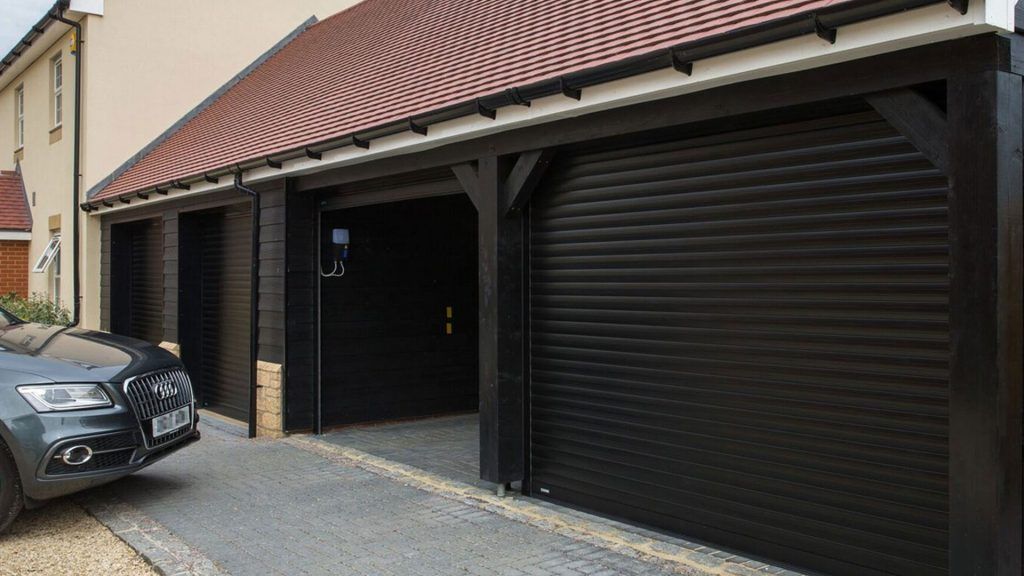
Look at the house as a whole. Consider the brick or stone, window frames, roof, porch and any nearby garage door. If the front door and garage door can be seen together, think about how the two colours balance across the elevation.
Sometimes a stronger front door colour is exactly what an older property needs.
What about listed buildings and conservation areas?
If your property is listed, or is situated within a conservation area, it's worth checking whether any restrictions apply before changing the front door.
A period property isn't automatically a listed property, and being within a conservation area doesn't necessarily prevent you from replacing a door. However, planning controls can vary and listed buildings in particular may require consent for alterations that affect their character.
It's much better to establish what applies to your property before settling on a design.
Warwickshire Planning Department
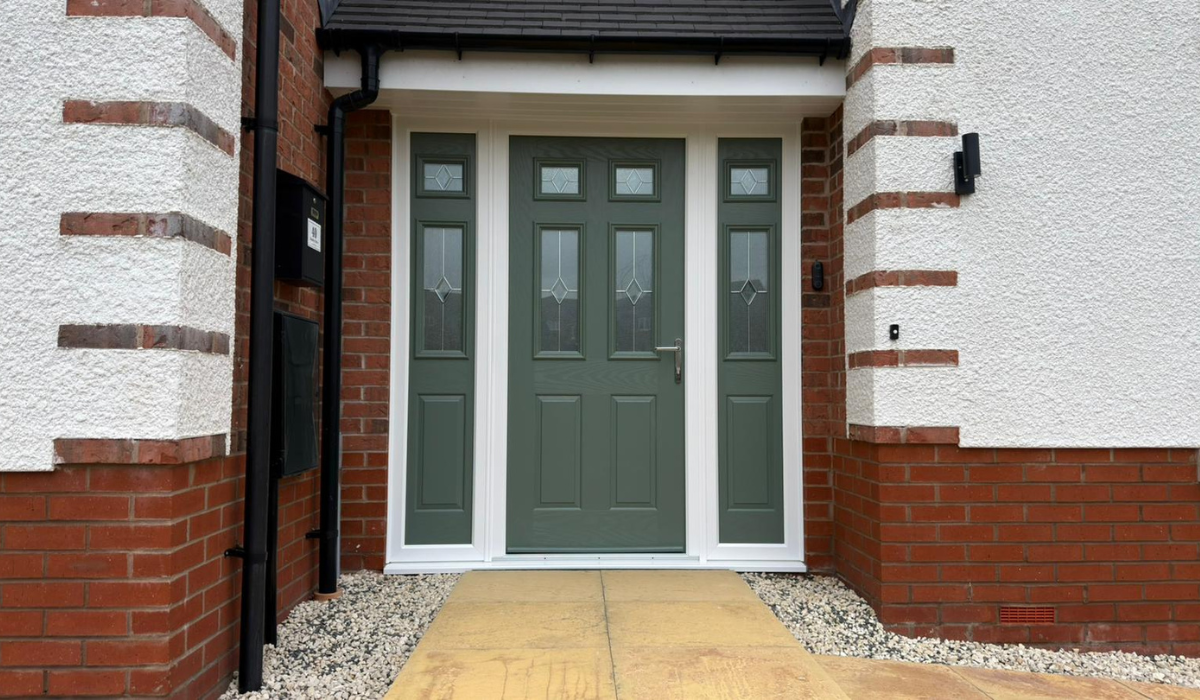
Traditional front doors made in Stratford-upon-Avon
Prior Products has been manufacturing and installing windows and doors in and around Stratford-upon-Avon for decades, so we're very familiar with the variety of properties found throughout the town and surrounding villages.
We manufacture our composite doors in our own factory, giving us the flexibility to deal with entrances that don't always conform to modern standard sizes.
If you're replacing an old wooden front door, we'll look at the property, the existing opening and the style you're trying to preserve before helping you choose the new door.
The result can still look every bit at home on a traditional property and will be warmer, more secure, easier to maintain and considerably less temperamental.