

Front Door Sizes
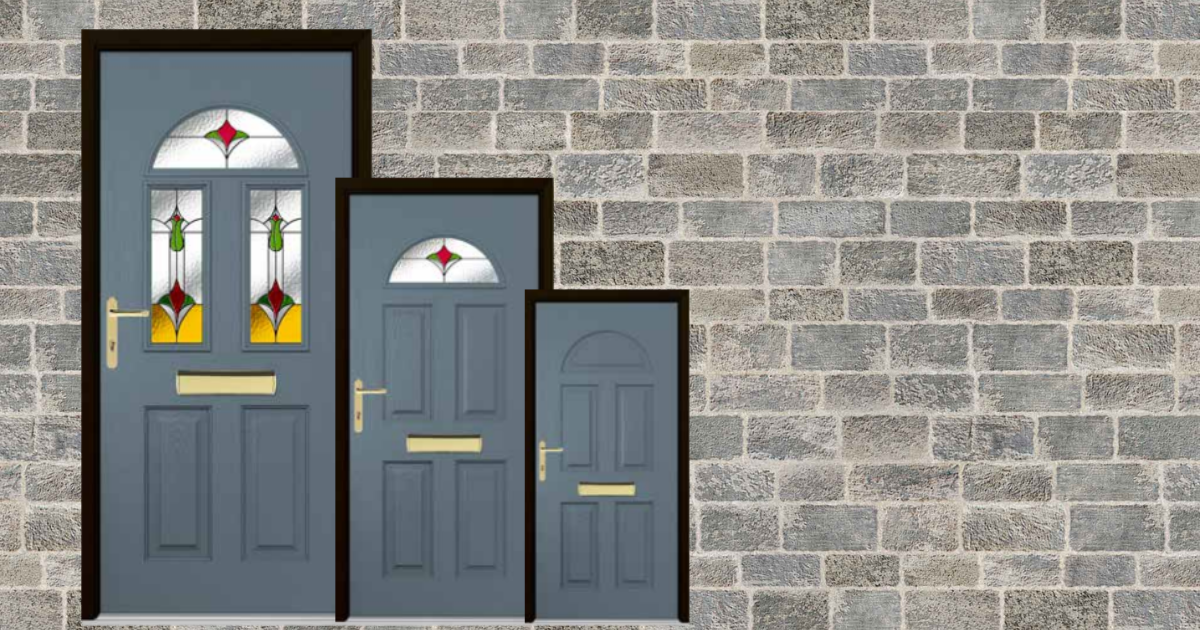
A Complete Guide to Measuring, Standard Sizes and Replacing Your Front Door
Choosing a new front door is exciting, but one of the first questions people ask is, "What size front door do I need?" The answer is often simpler than you might think.
Many modern homes have standard front door sizes, but older properties, cottages and period homes often have openings that are completely unique. Fortunately, this rarely limits your options. Modern composite, uPVC and aluminium front doors are typically manufactured to suit the exact dimensions of your home, giving you a perfect fit whether your doorway is standard or bespoke.
This guide explains the most common front door sizes in the UK, how to measure your existing door, what happens if your opening isn't standard, and how Building Regulations affect your replacement.
Are Front Doors a Standard Size?
There isn't one standard front door size in the UK. Instead, several common sizes have become widely used by builders and manufacturers over many decades.
If your home was built during the last 40 years, there is a good chance your front door falls within one of these common sizes. Older homes are much less predictable. Victorian terraces, Georgian townhouses, cottages and converted properties often have wider, narrower or taller entrances that require made-to-measure doors.
The good news is that replacing a non-standard door is routine for experienced installers. Your new door will be manufactured to fit your opening, rather than expecting your house to fit the door.
Common Front Door Sizes in the UK
Below are some of the most common front door sizes found in UK homes.
| Door Size | Imperial Equivalent | Commonly Found In |
|---|---|---|
| 762 x1981 mm | 30" x 78" | Older terraced houses |
| 838 x 1981mm | 33" x 78" | Modern family homes |
| 864 x 2083mm | 34" x 82" | Newer developments |
| 914 x 2083mm | 36" x 82" | Larger entrance doors |
These dimensions usually refer to the door slab rather than the complete frame. Once the frame is included, the overall size will be larger.
Many manufacturers also produce doors in a wide variety of bespoke sizes, allowing almost any entrance to be replaced without compromising appearance or security.
Why Front Door Sizes Vary
If you've measured your front door and discovered it doesn't match any standard dimensions, there is usually a simple explanation.
Different house builders have traditionally used different suppliers and construction methods. Building standards have also changed over the years, resulting in larger entrance doors in many newer homes.
Property type also has a significant influence.
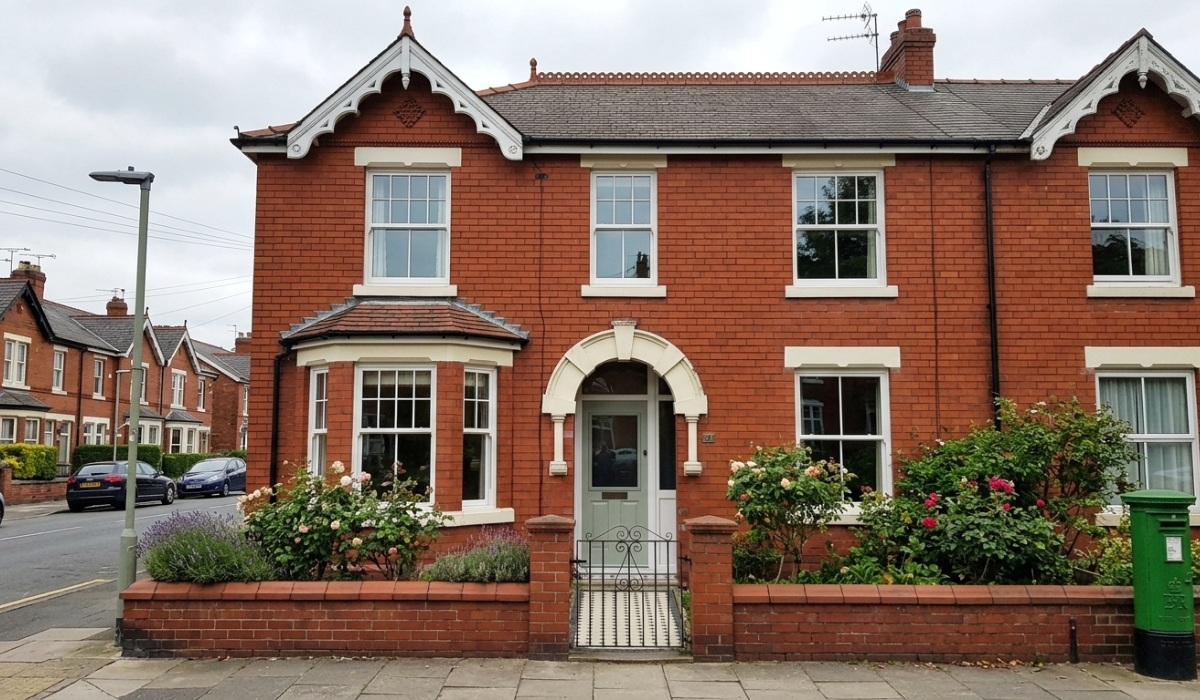
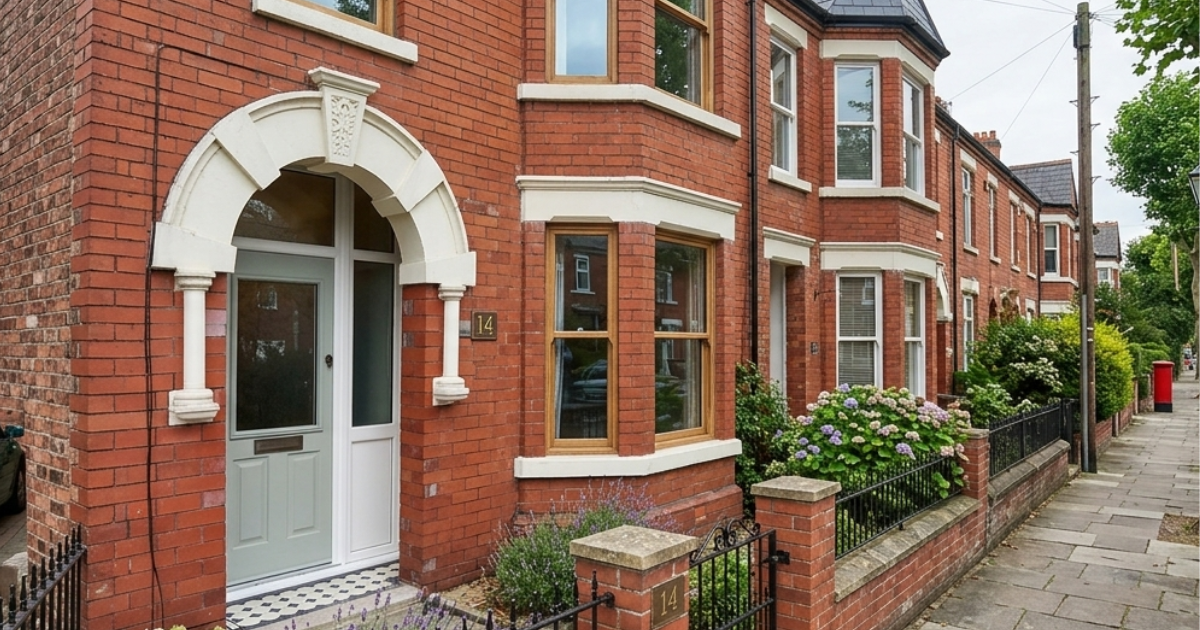
A Victorian terrace may have a tall, narrow doorway with decorative glazing above the door.
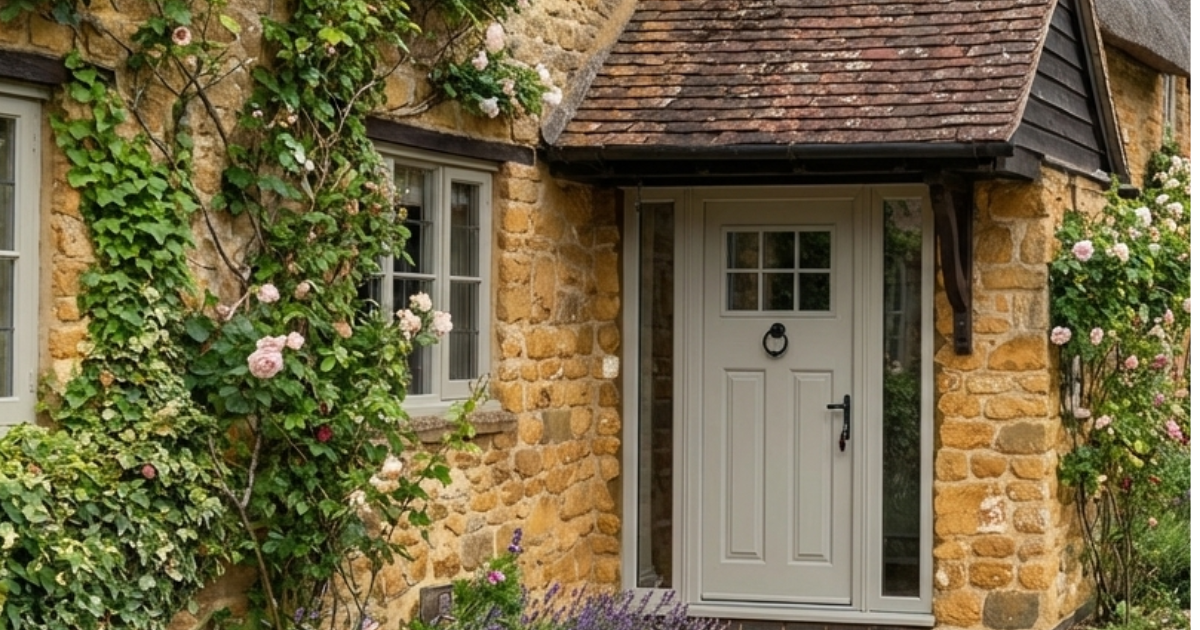
A country cottage may have a much lower entrance with unusually thick walls.
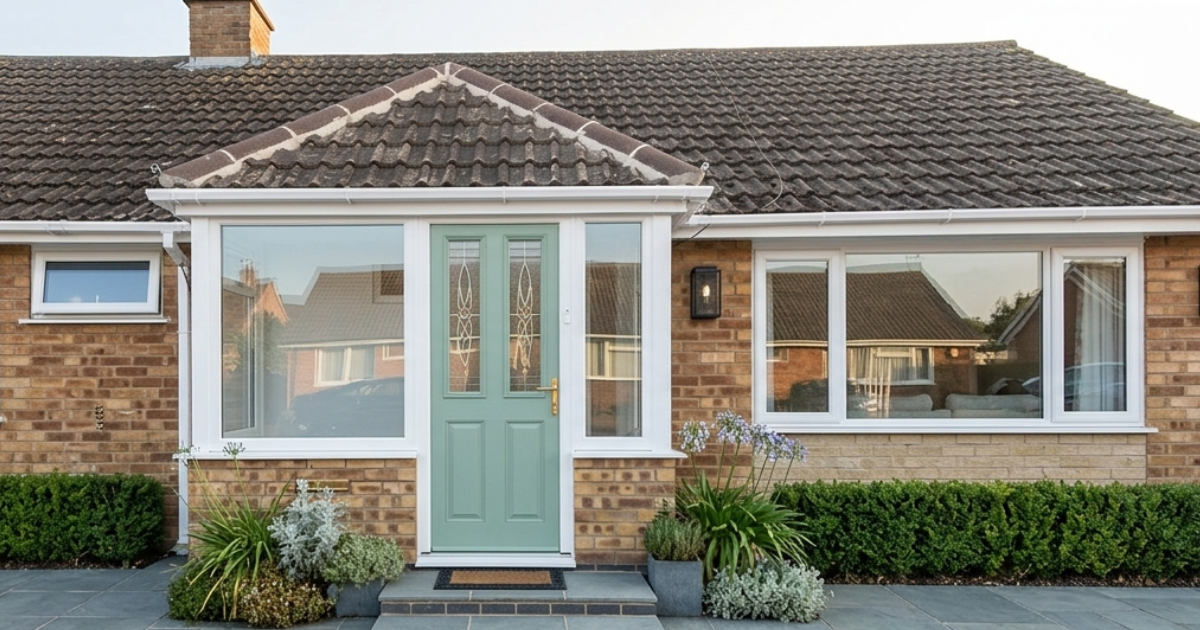
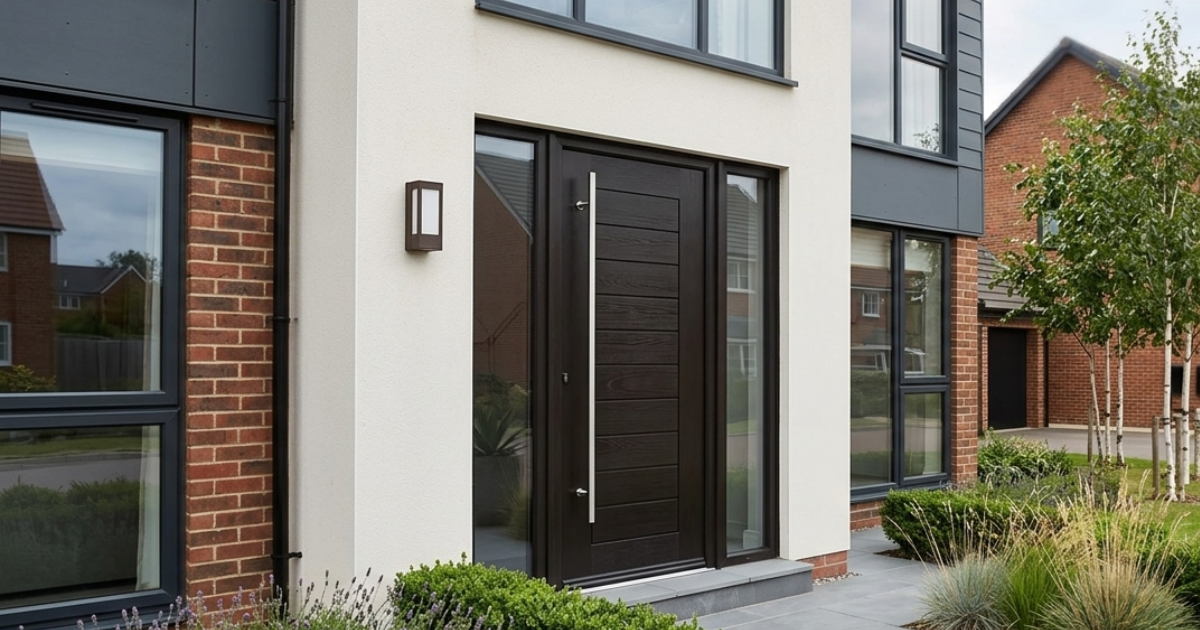
A modern detached house may feature a wide front entrance with glazed side panels.
These differences are completely normal and are easily accommodated when ordering a replacement door.
How to Measure Your Front Door
Although your installer will always carry out a professional survey before manufacturing your new door, taking a few measurements yourself can help you understand the options available.
If you suspect you have a small, short or narrow door, knowing the size will save you some time. Not many suppliers sell doors outside the standard range, so you can ask whether they offer the size you need before agreeing to an appointment.
Measure the Door
Start by measuring the width of the door itself from edge to edge.
Next, measure the height from the bottom of the door to the top.
Finally, measure the thickness of the door. Older timber doors are often thinner than modern composite doors.
Measure the Door Frame
Measure the internal width of the frame in three places.
Take measurements at the top, middle and bottom.
If the dimensions vary slightly, make a note of all three measurements.
Repeat the process for the height by measuring down both sides of the frame.
Measure the Overall Opening
If you're considering altering the entrance or installing a wider door with side panels, measuring the complete structural opening can be useful.
This allows your installer to assess whether the opening could be modified or whether your new frame should simply match the existing dimensions.
Check Whether the Opening is Square
Very few older properties are perfectly square, but of course, your new door and frame will be square to ensure perfect opening and closing. We'll take care of any discrepancy.
Professional installers measure diagonally across the opening and check for plumb and level. This ensures the new frame fits perfectly without unwanted gaps.

What Happens if Your Front Door Isn't a Standard Size?
If your doorway is smaller than standard, you’re in safe hands. We are a leading manufacturer of small doors, with extensive experience in producing high-quality, made-to-measure solutions that fit perfectly without compromising on style, security or performance.
If your opening is larger than standard, there are plenty of options available to create a balanced and attractive entrance. Side panels can be added to increase width, top panels can fill additional height, and French doors can be used to create a wider, more open entrance where appropriate.
The installer measures your doorway to the nearest millimetre before production begins, ensuring the final design is tailored precisely to your home.
Whether your doorway is unusually wide, narrow, tall or slightly out of square, it can almost always be accommodated without difficulty.
Can You Make Your Front Doorway Bigger?
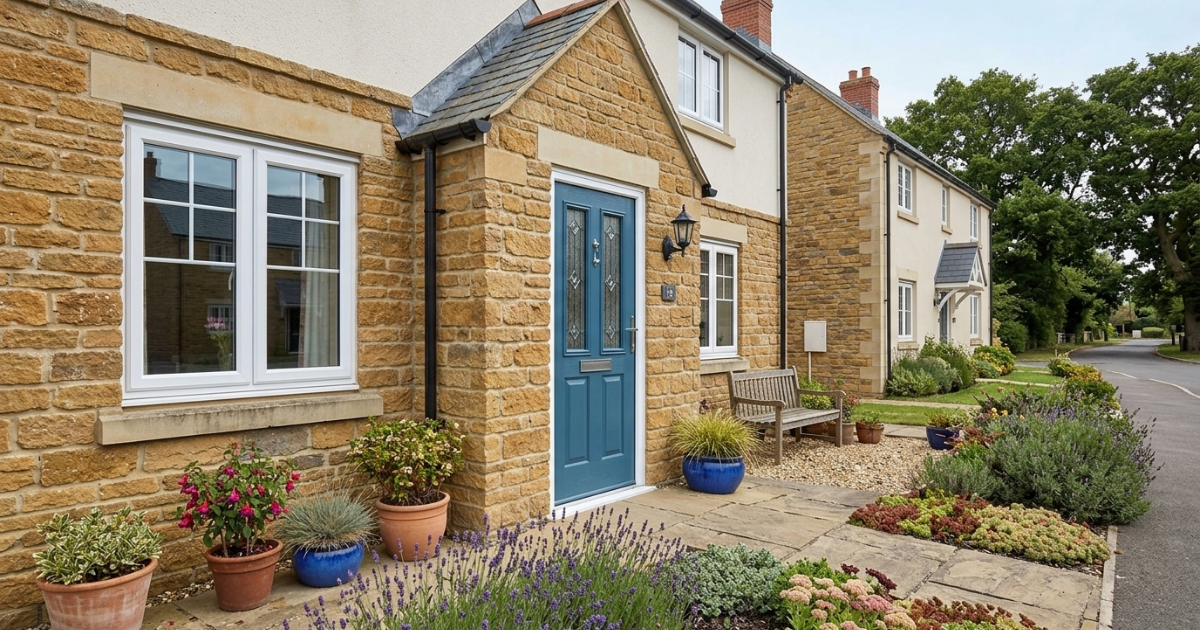
Changing the opening for your door may not be as simple as it sounds. There will be a lintel above the door that supports the weight of the brickwork or masonry above the opening. Sometimes this can be seen clearly as a concrete, steel or stone beam, while in other homes it is hidden behind the external brickwork or internal plaster. You can see a stone lintel above the door in the picture above.
If you want to make the doorway wider or taller, the position and size of this lintel must be carefully assessed. In some cases, the existing lintel is already wide enough to support a larger opening. In others, it may need to be replaced with a stronger or longer lintel before any brickwork can be removed. This is structural work that should always be performed correctly to maintain your home's integrity.
The design of the entrance also plays an important role. Rather than making the opening larger, many homeowners achieve a more impressive entrance by incorporating glazed side panels or a fanlight above the door. These features allow more natural light into the hallway and create the appearance of a much grander entrance without major structural alterations.
We can advise whether modifying the opening is practical or whether a redesigned door and frame would achieve the same result more efficiently and at a lower cost.
Should You Replace Just the Door or the Entire Frame?
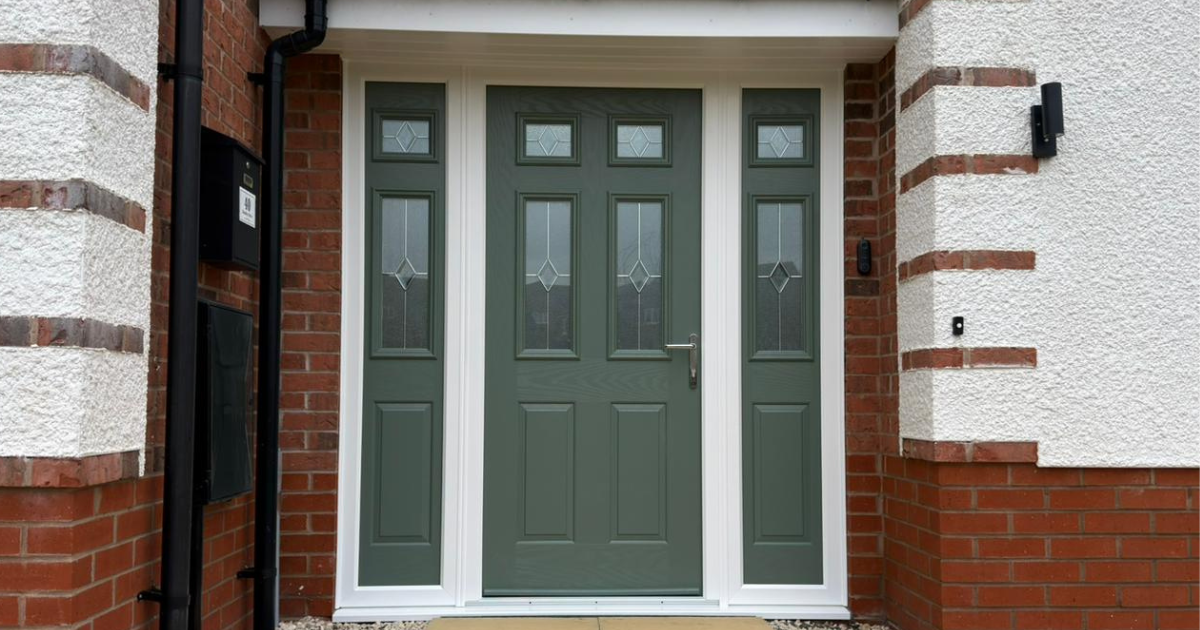
Modern doors are typically designed to be replaced as a complete unit, including both the door and the frame. In most cases, it is not practical or advisable to replace only the door leaf, as modern systems rely on precise alignment and integrated components for performance and security.
The main exception to this is with bespoke wooden doors, where it may be possible to fit a new door into an existing frame if it is in good condition and properly aligned.
Replacing the full frame ensures optimal insulation, proper operation of modern locking systems, and a consistent appearance. It also allows installers to address any issues with alignment, sealing, or wear that may have developed over time.
Front Door Sizes for Composite Doors
One of the biggest advantages of composite doors is the flexibility they offer. Whether your property has a standard-sized entrance or an unusual opening, composite doors can be manufactured to fit precisely. At Prior Products, our standard composite door frames accommodate openings from 854mm to 1024mm wide, with a choice of threshold options allowing different overall heights. We also manufacture specialist small composite doors for properties with restricted openings, as well as larger entrance doors with side panels or toplights for wider or taller entrances.
Because every composite door is manufactured after a detailed site survey, you're not restricted to choosing the nearest standard size. The result is a door that fits perfectly, provides excellent weatherproofing and security, and looks as though it was designed specifically for your home. Whether you're replacing a compact cottage door or creating a grand entrance for a modern property, there is usually a composite door solution that fits both the opening and the style of your home.
Frequently Asked Questions About Front Door Sizes
What is the most common front door size in the UK?
One of the most common sizes is approximately 838 x 1981mm, although several standard dimensions are widely used.
Can I have a wider front door?
Yes. Subject to the construction of your property, many entrances can be widened or redesigned using side panels or structural alterations.
Are composite doors made to measure?
Yes. Most composite doors are manufactured to the exact dimensions recorded during the survey.
What if my doorway isn't square?
This is very common, particularly in older homes. Installers measure the opening carefully and manufacture the frame to ensure a precise fit.
Can I replace my front door without replacing the frame?
No, replacing just the door without the frame is not recommended, as the frame plays a crucial role in the overall performance, security, and longevity of the door. An existing frame may be worn, warped, or not properly aligned, which can lead to issues such as drafts, poor sealing, difficulty in operation, and reduced security.
Installing a new door into an old frame can also void warranties and compromise the door’s intended performance. For the best results, it is always advisable to replace both the door and the frame together to ensure a proper fit, improved insulation, and long-term reliability.
Choosing the Right Front Door
Your front door is one of the first things people notice about your home. It should look welcoming, provide excellent security and keep your home warm throughout the year.
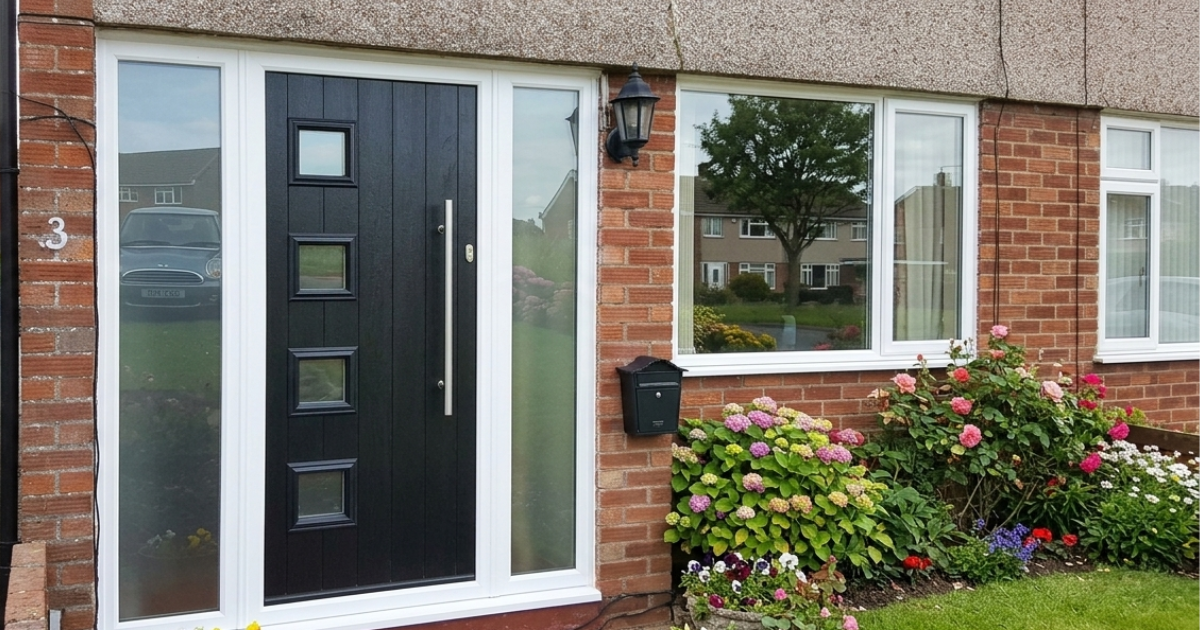
Whether your entrance is one of the UK's common front door sizes or completely bespoke, a professional survey ensures your new door is manufactured to fit perfectly. That means you can concentrate on choosing the style, colour, glazing and hardware that best suits your home, knowing the finished installation will look as though it has always belonged there.