

Composite Doors
Composite Front Doors Made to Suit Your Home
Explore our range of composite doors, from traditional designs to contemporary styles. Choose your colour, glazing and finishing touches, with professional installation across Stratford-upon-Avon and the surrounding areas.
Thermal Performance
Insulated composite doors help reduce heat loss and keep your home comfortable throughout the year
High
Quality
Robust construction and modern locking systems provide strength, security and peace of mind
Kerb Appeal
Choose from traditional and contemporary designs, with a wide range of colours, glazing and finishes
Why Choose Prior Products for Composite Doors?
- At Prior Products Windows and Doors, we supply and install made-to-measure composite doors across Warwickshire, Worcestershire and Gloucestershire. Our range includes traditional and contemporary designs, with colours, glazing and finishing touches to complement your property.
- Made to measure for a precise fit.
- Traditional and contemporary door styles.
- Wide choice of colours and woodgrain finishes.
- Decorative glazing and door furniture options.
- Robust construction with multipoint locking.
- Insulated cores for improved thermal performance.
- Weather-resistant, low-maintenance finishes.
- Professional installation by our employed installers.
- Comprehensive 10-year guarantee.
Our Most Popular Front Door
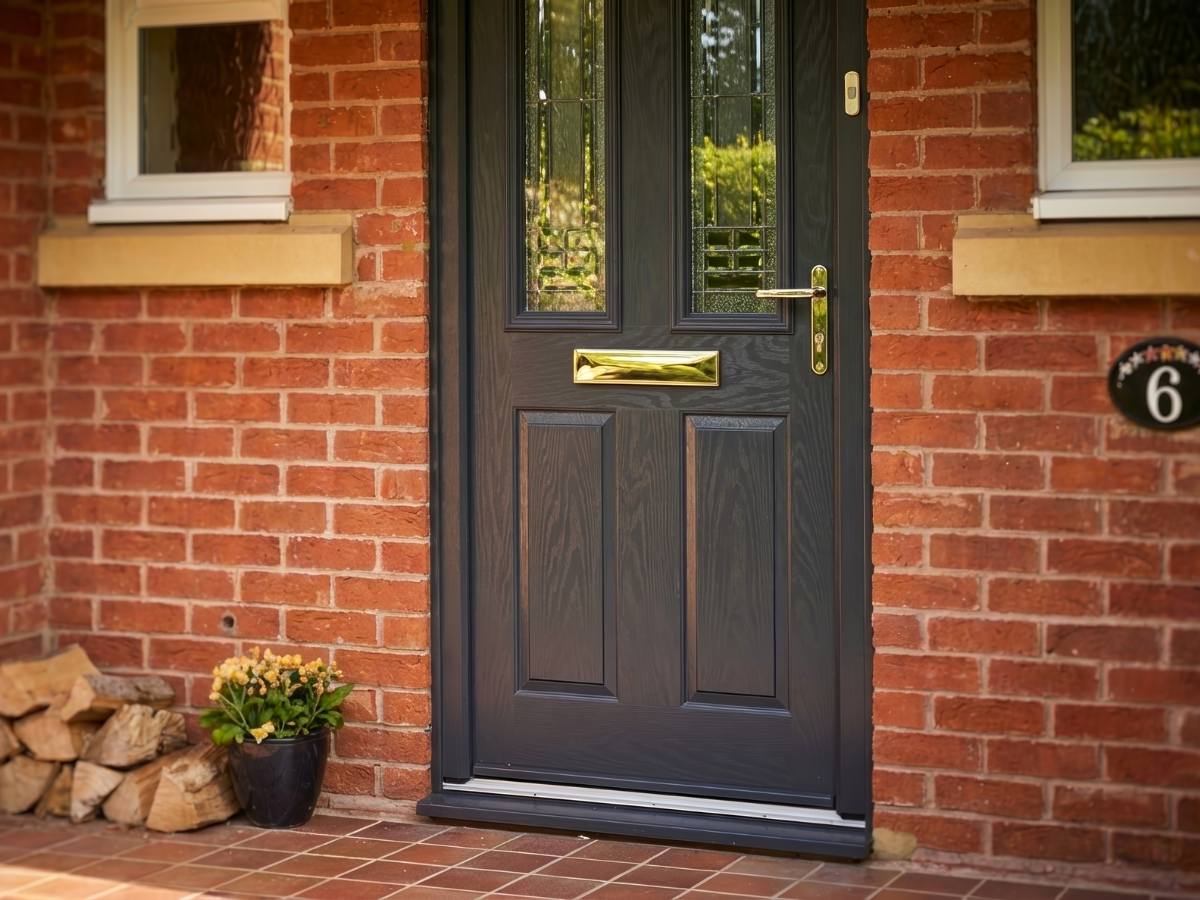
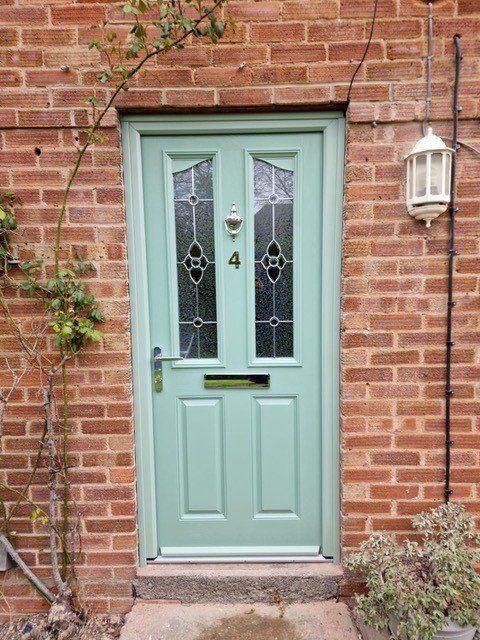
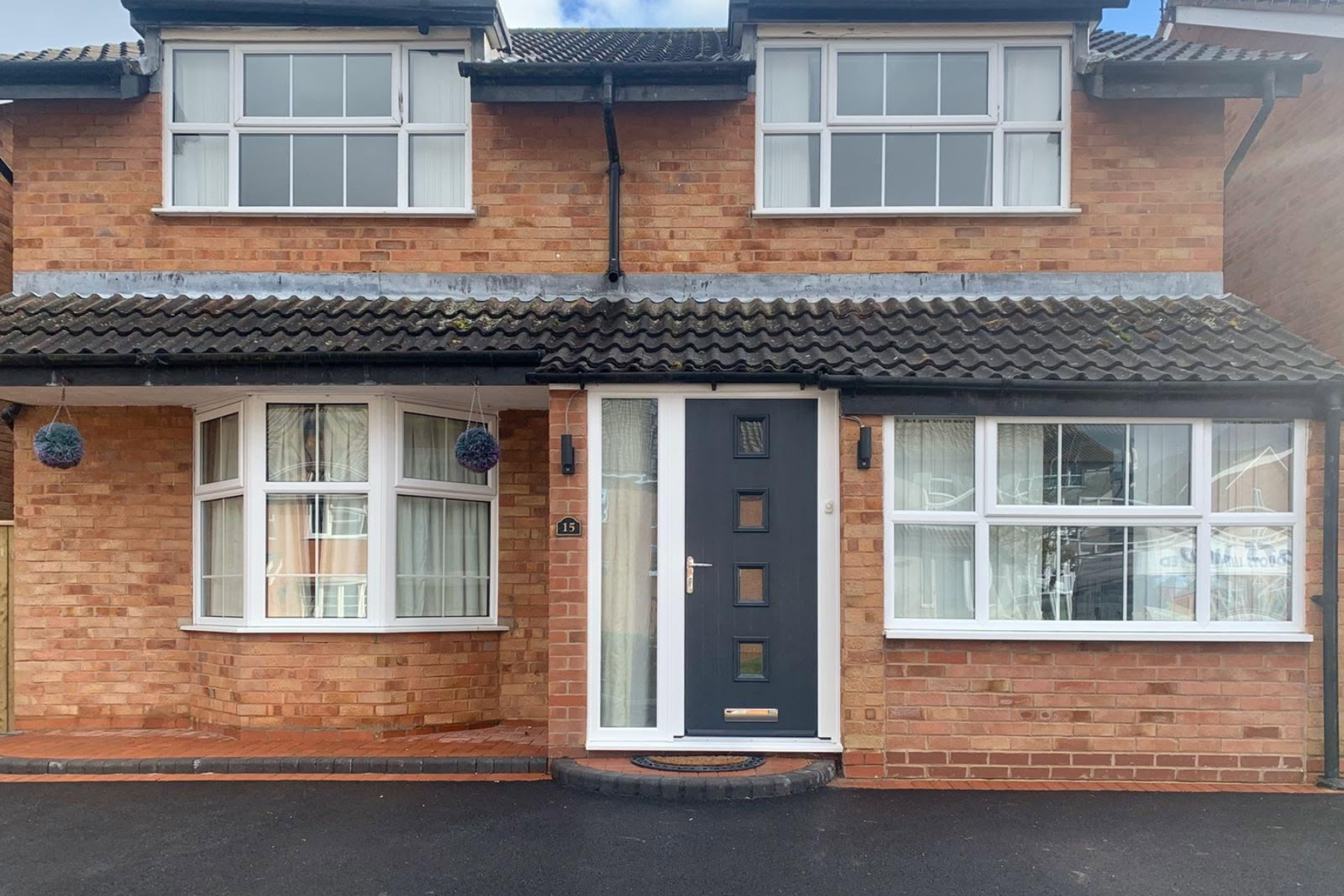
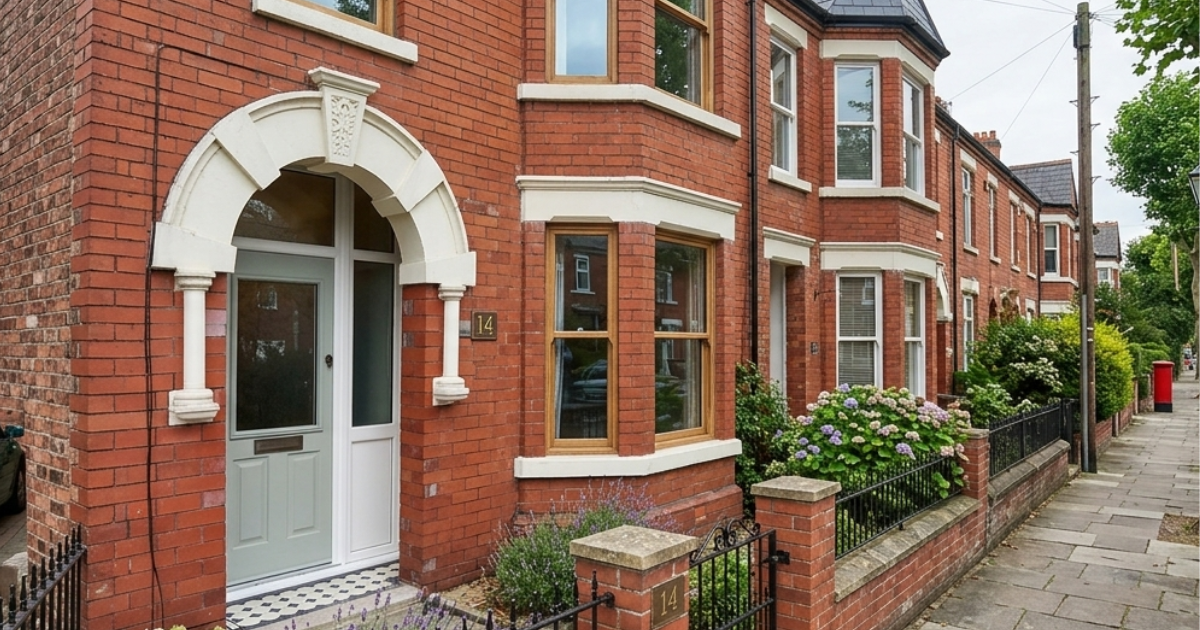
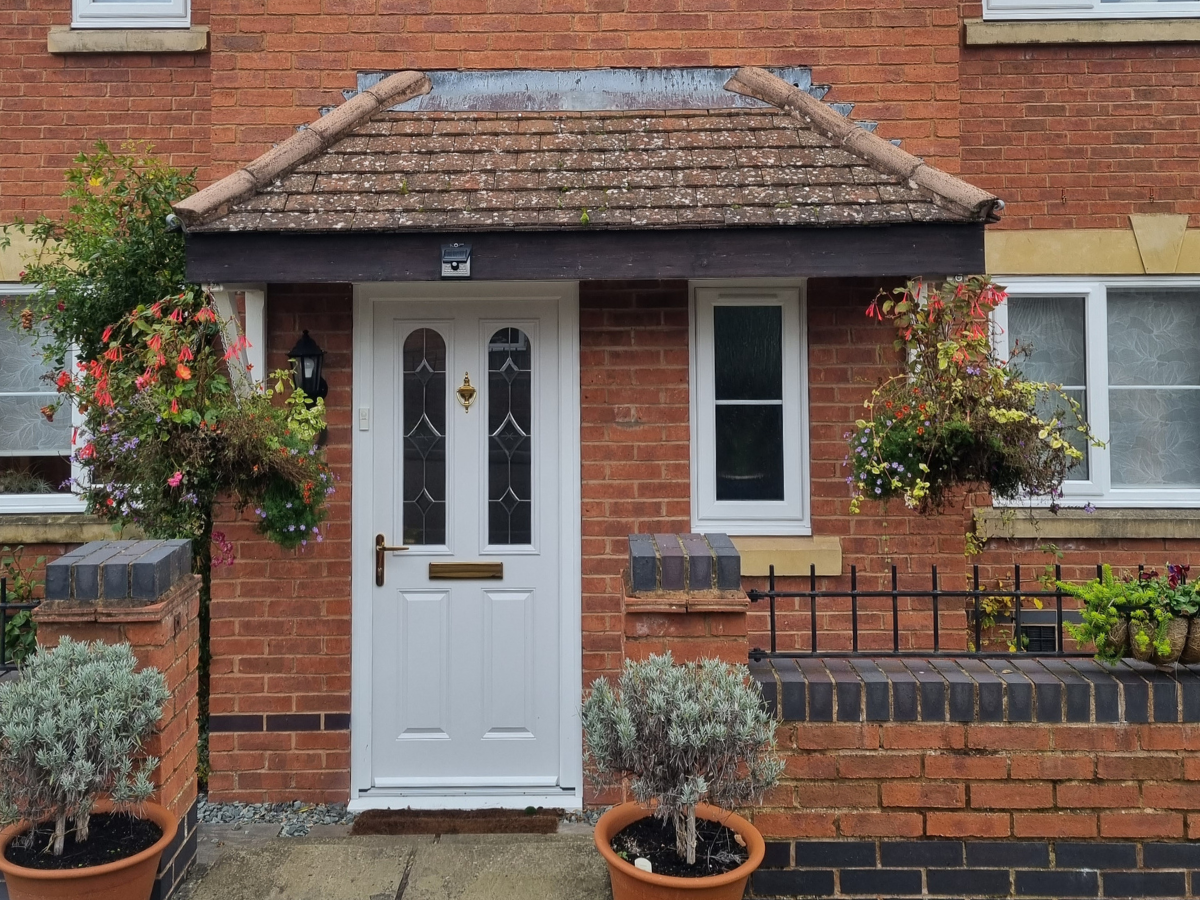
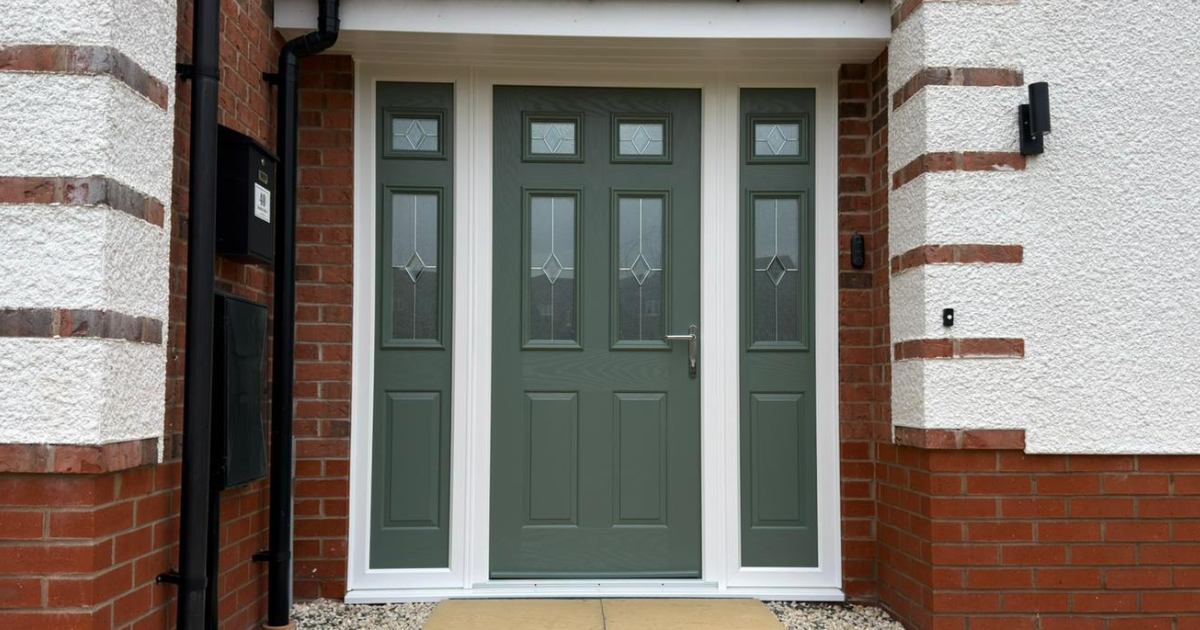
The Carnoustie is one of our most popular front door styles, and it is easy to see why. It offers a balanced, timeless design that works well across a wide range of properties, from traditional homes through to more modern settings. The panel layout gives the door a strong, structured appearance, while the glazed sections bring natural light into the hallway without compromising privacy.
In this example, the door is finished in a deep, contemporary colour that contrasts neatly with the red brickwork, creating a clear focal point at the entrance. The vertical glazed panels add height and elegance, while the chrome letterplate and handle provide a clean, refined finish.
What makes the Carnoustie such a popular choice is its flexibility. It is available in a wide range of colours, with different glazing options and door furniture to suit your style. Whether you prefer something classic and understated or a more distinctive look, the design can be tailored to create a front door that feels right for your home.
Composite Doors for Front and Back
Front doors have always taken priority when it comes to style, but that is starting to change. Homeowners are now giving just as much thought to the back of the property, choosing doors that feel considered rather than purely functional. In the past, back doors were often simple white designs with a glazed panel to match the windows. Practical, but not particularly interesting.
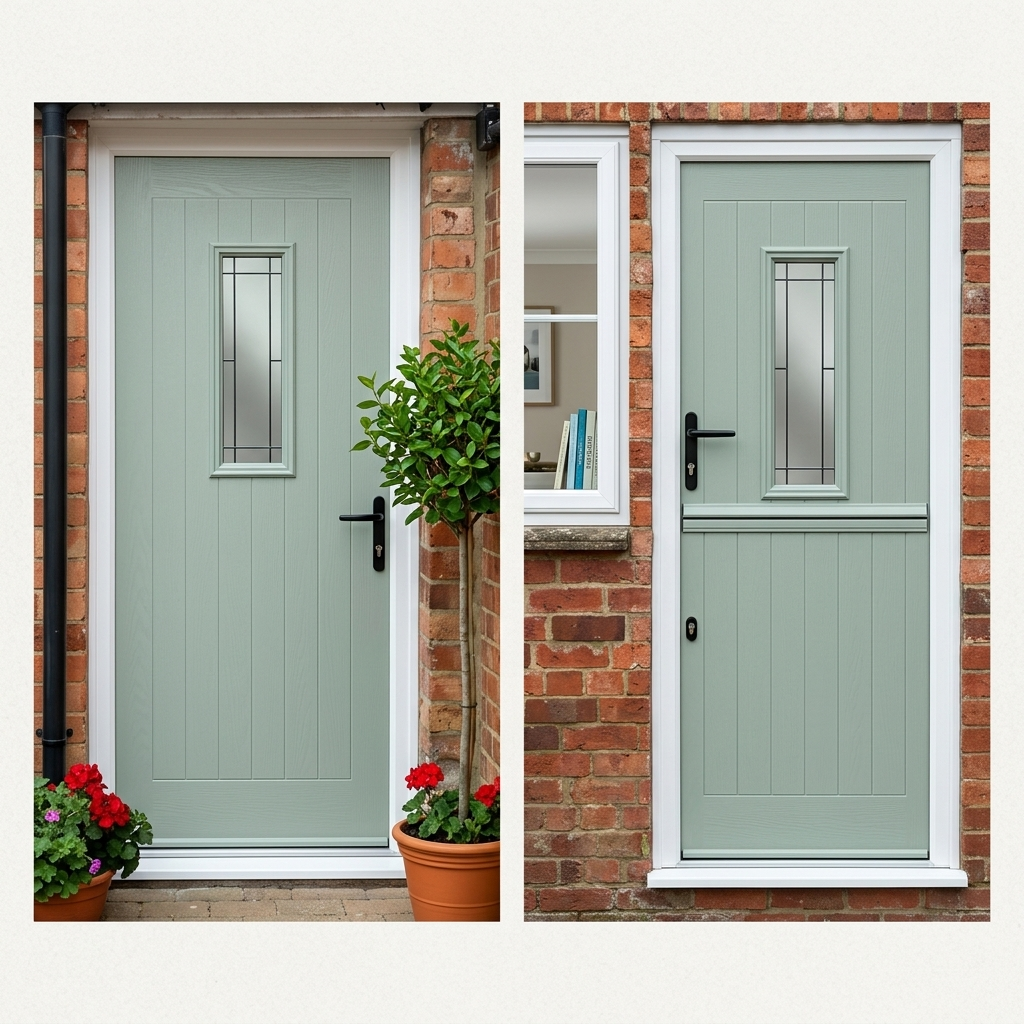
Composite doors have opened up far more choice, and it is now common to see front and back doors designed to work together. They do not have to be identical, but they can share the same colour, glazing style or overall feel so the whole property looks more cohesive.
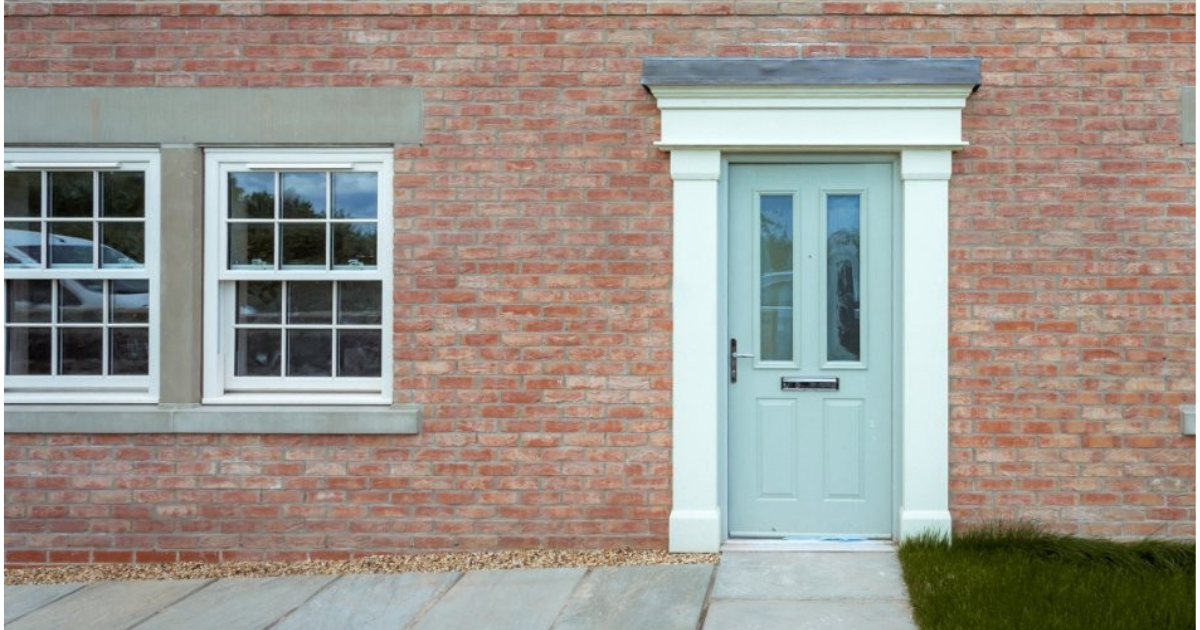
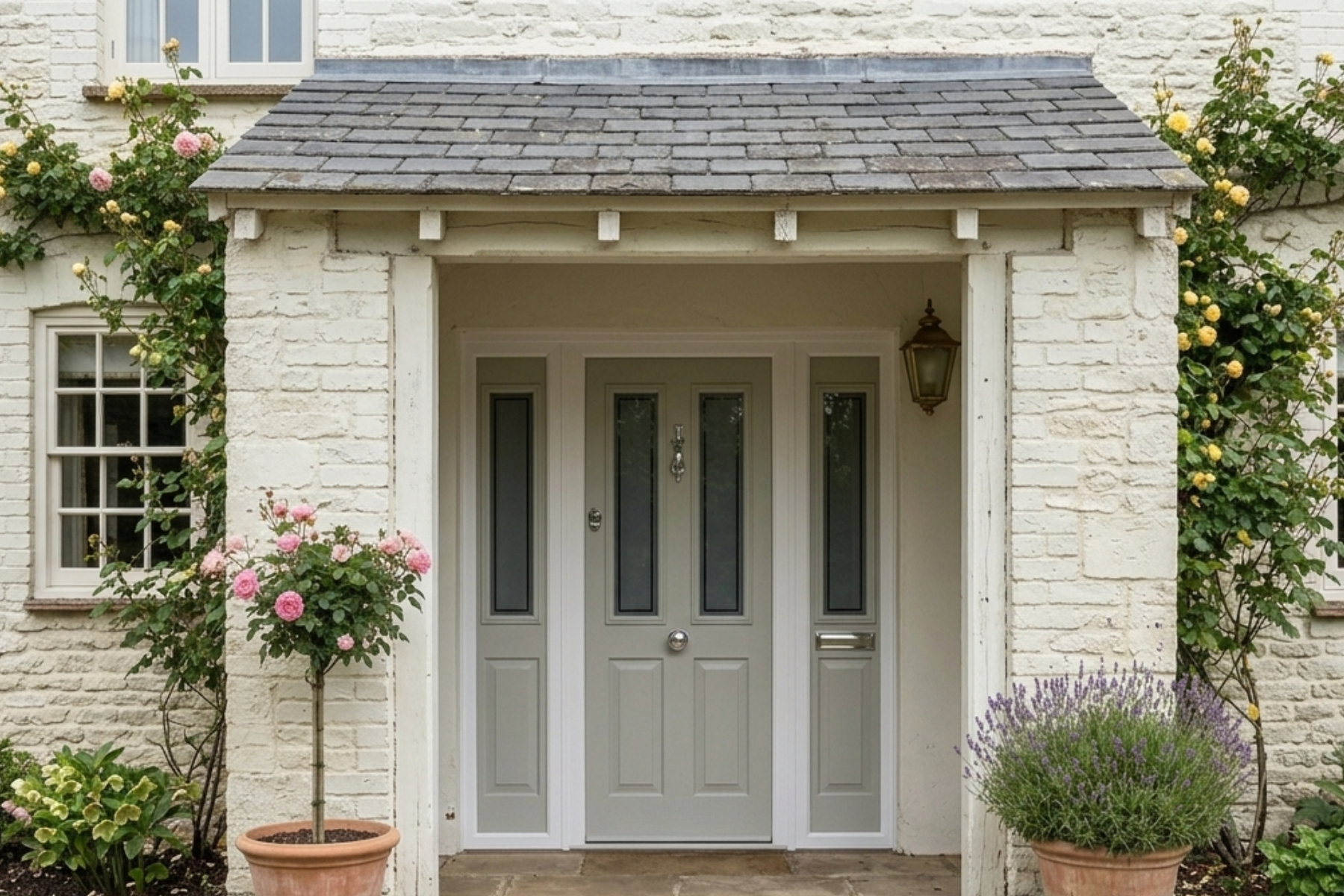
In this example, the front door keeps a clean, simple look with a soft neutral colour and a central glazed panel that brings light into the hallway. At the rear, the homeowners have taken a more flexible approach by choosing a stable style composite door. The top and bottom sections can be opened independently, which is ideal for ventilation while keeping pets or children safely inside.
Did you know that composite entrance doors are the most popular door in the UK?
They're designed to withstand all kinds of weather, so they're perfect for residential and commercial use.

Peace of Mind
Proud to be registered with CERTASS, the leading fenestration authority in the UK.

Experienced
Prior Products is a family business that has been delighting homeowners for over 36 years.

10 Year Guarantee
Our commitment to quality is supported by a comprehensive 10-year guarantee and is insurance-backed
Installing Composite Doors Across Warwickshire, Worcestershire & Gloucestershire
As an established family business with over 36 years of experience, we do not just install composite doors in Stratford-upon-Avon. Our local teams regularly supply and fit bespoke, high-performance composite doors for residential properties throughout the region.
We provide a complete service from your free initial home survey right through to final installation, ensuring your home is secure and draft-free. Whether your property is a traditional period home or a modern build, we routinely handle installations in these core areas: Warwickshire: Stratford-upon-Avon, Warwick, Royal Leamington Spa, Alcester, and Shipston-on-Stour.Worcestershire: Evesham, Pershore, and Broadway.Gloucestershire: Cheltenham, Bourton-on-the-Water, Moreton-in-Marsh, and Chipping Campden.
Side Panels for Composite Doors
If your opening is wider or taller than a single door needs, it opens up some interesting design choices rather than a limitation.
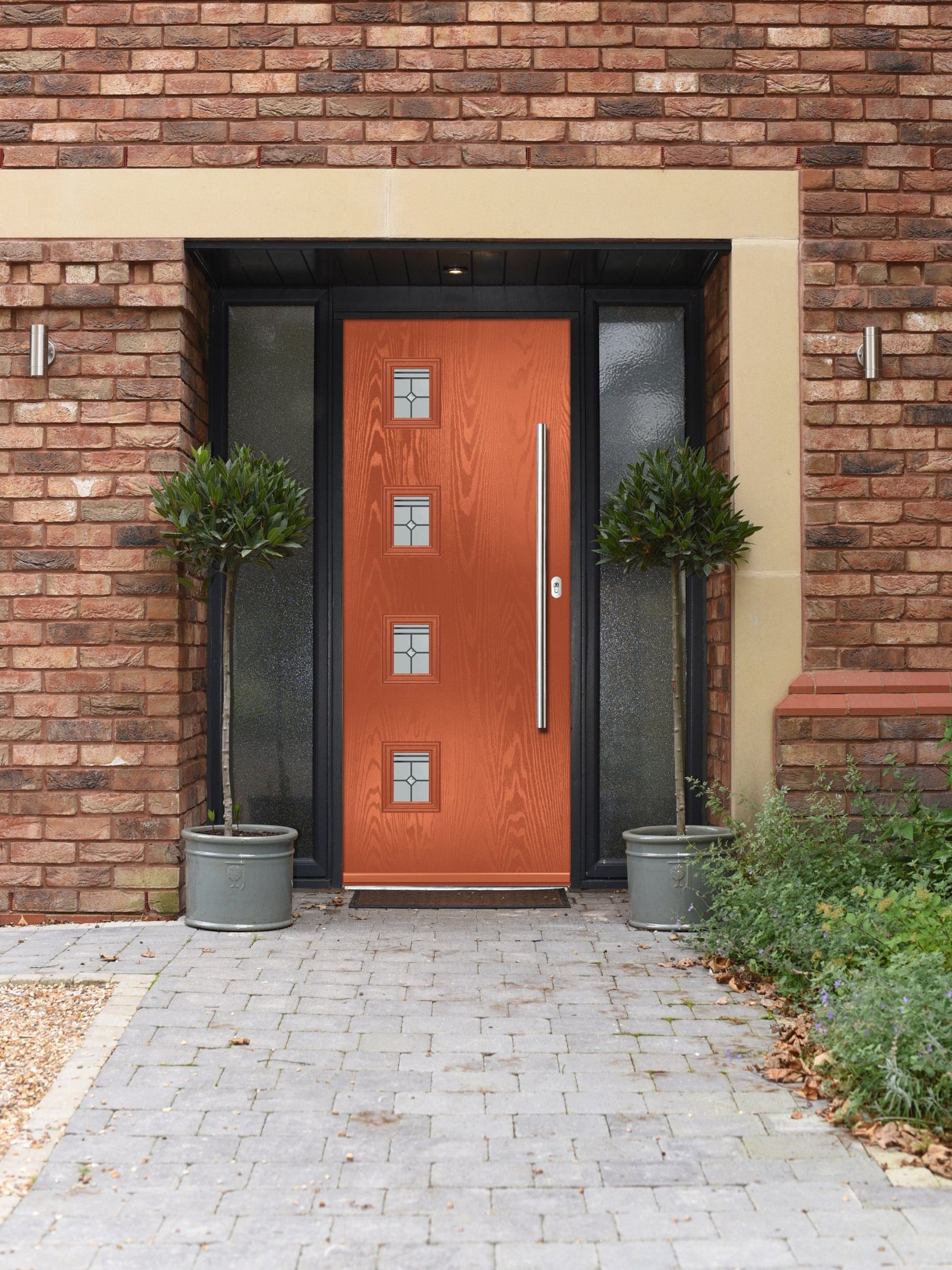
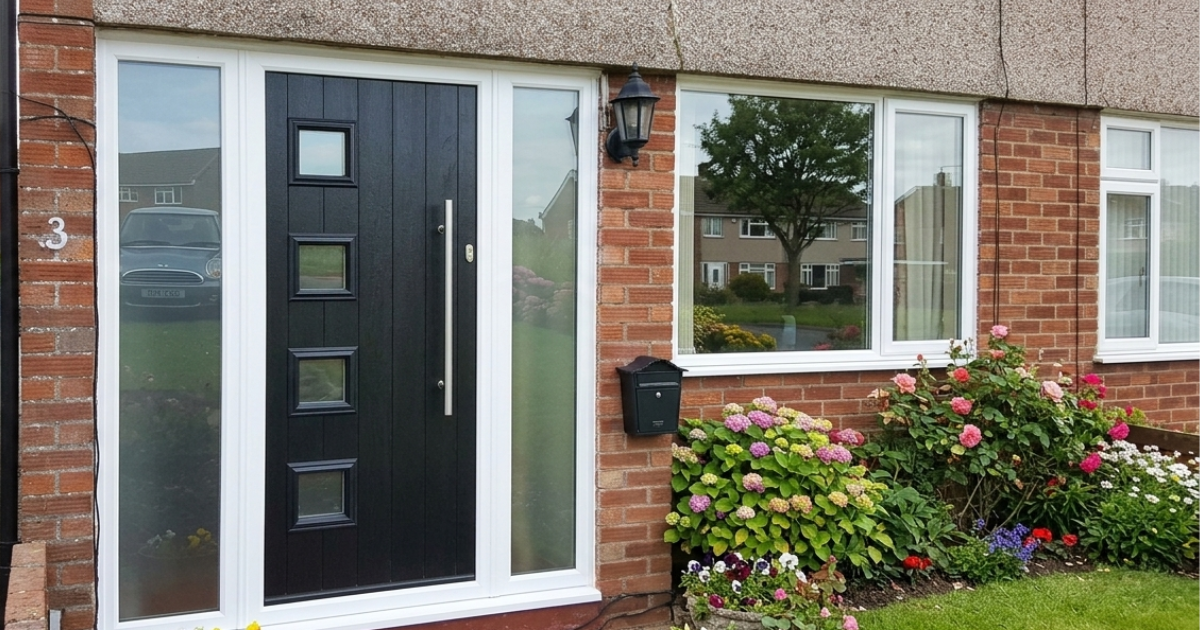
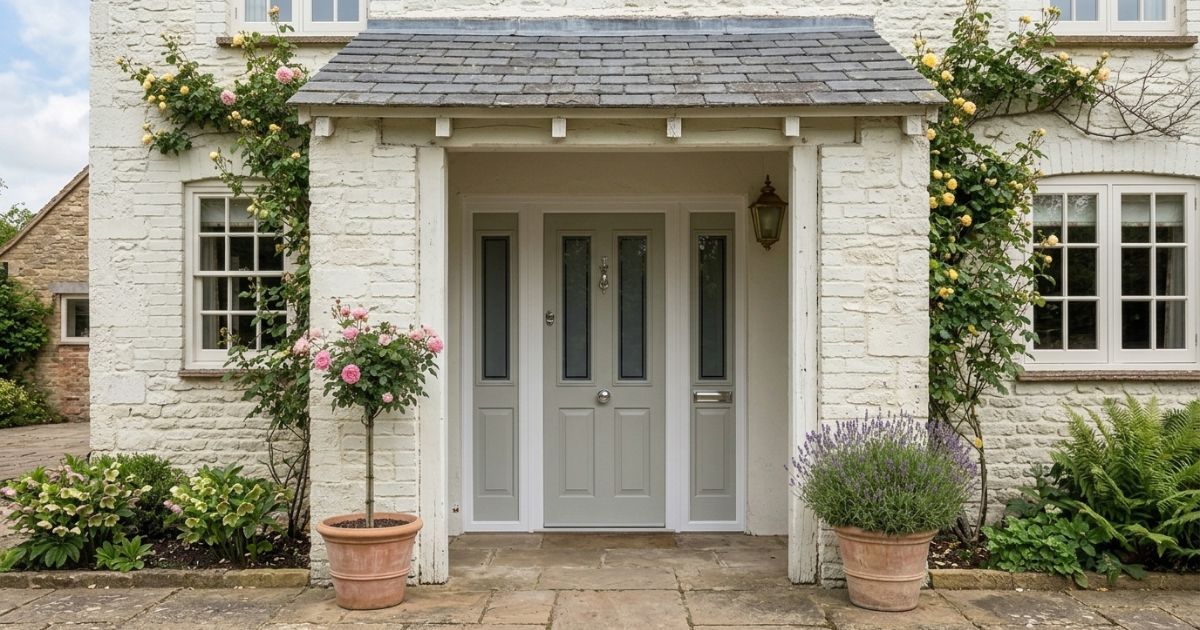
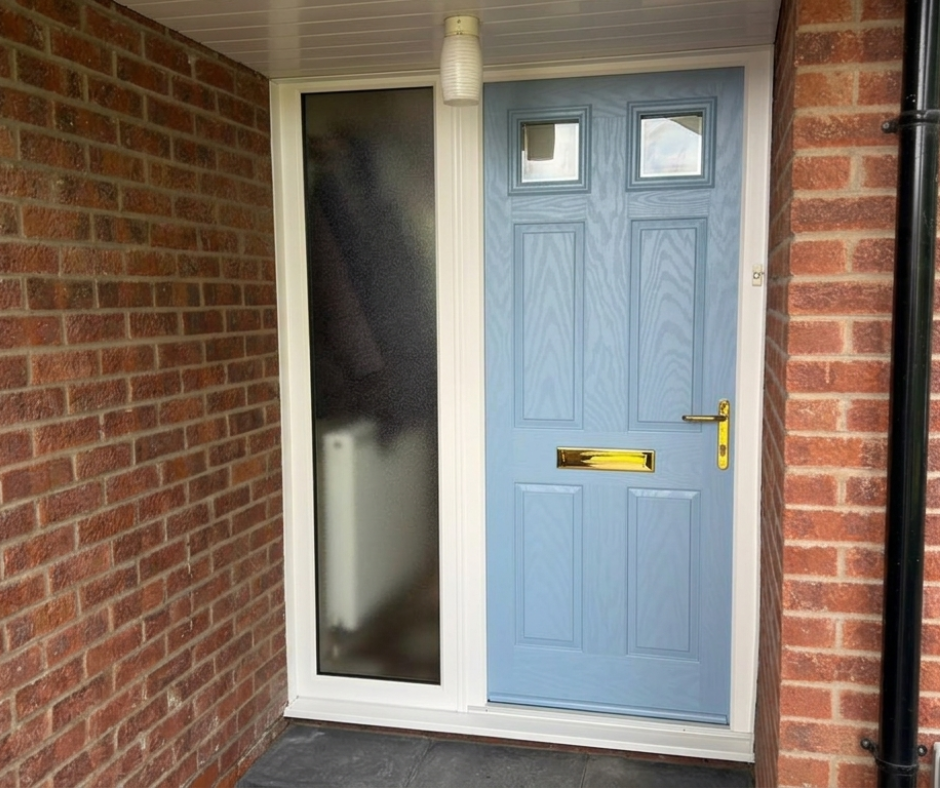
You might centre the door with matching panels on both sides to create a balanced, more formal entrance. This works well on properties where symmetry suits the style and gives the front of the house a stronger presence. Alternatively, placing the door to one side with a single panel can feel more relaxed and practical, often bringing more light into the hallway and making everyday use that bit easier.
The space inside matters too. How much room you have behind the door and which way it opens can influence the best layout, especially if you want to avoid blocking light or movement as you come in.
The key point is that everything is designed together. The panels use the same colours, glazing and finishes as the door itself, so the whole entrance feels like one considered feature rather than separate parts. It is a simple way to turn a larger opening into something that feels properly designed and noticeably more impressive.
Bespoke Manufacturers of Composite Doors Based in Stratford-upon-Avon
STRENGTH
Our composite doors offer a truly appealing entrance for any home, with a high definition smooth or grained GRP outer skin that will look stunning for years to come.
The door offers stability against the elements, with an LVL core encased in composite stiles and rails to protect against water ingress.
SECURITY
We take security very seriously. Our composite door comes with security features which stand up to current and future security standards, including PAS 24 in line with Approved Document Q.
We recommend the use of multipoint locks (locks should always be engaged so the door is not left just on the latch) and security hardware, including TS007 high security cylinders and handle combinations, and TS008 letterplates.
STYLE
With our high-performance paint technology and three state-of-the-art, in-house paint lines, we can offer any colour door that can even complement the colour options on frames. This provides a fantastic choice for the homeowner. White is standard on the internal side, but we may be able to offer different or bespoke options to suit your individual requirements.
See our colour ranges for more information.
We give you Thermal Door Performance
The thermal core allows the door to have a significantly better ‘U’ value than any other option on the market and our entire range meets with the requirements of the current Building Regulations.
There are various upgrades to the glass options which increase the thermal performance of the door.
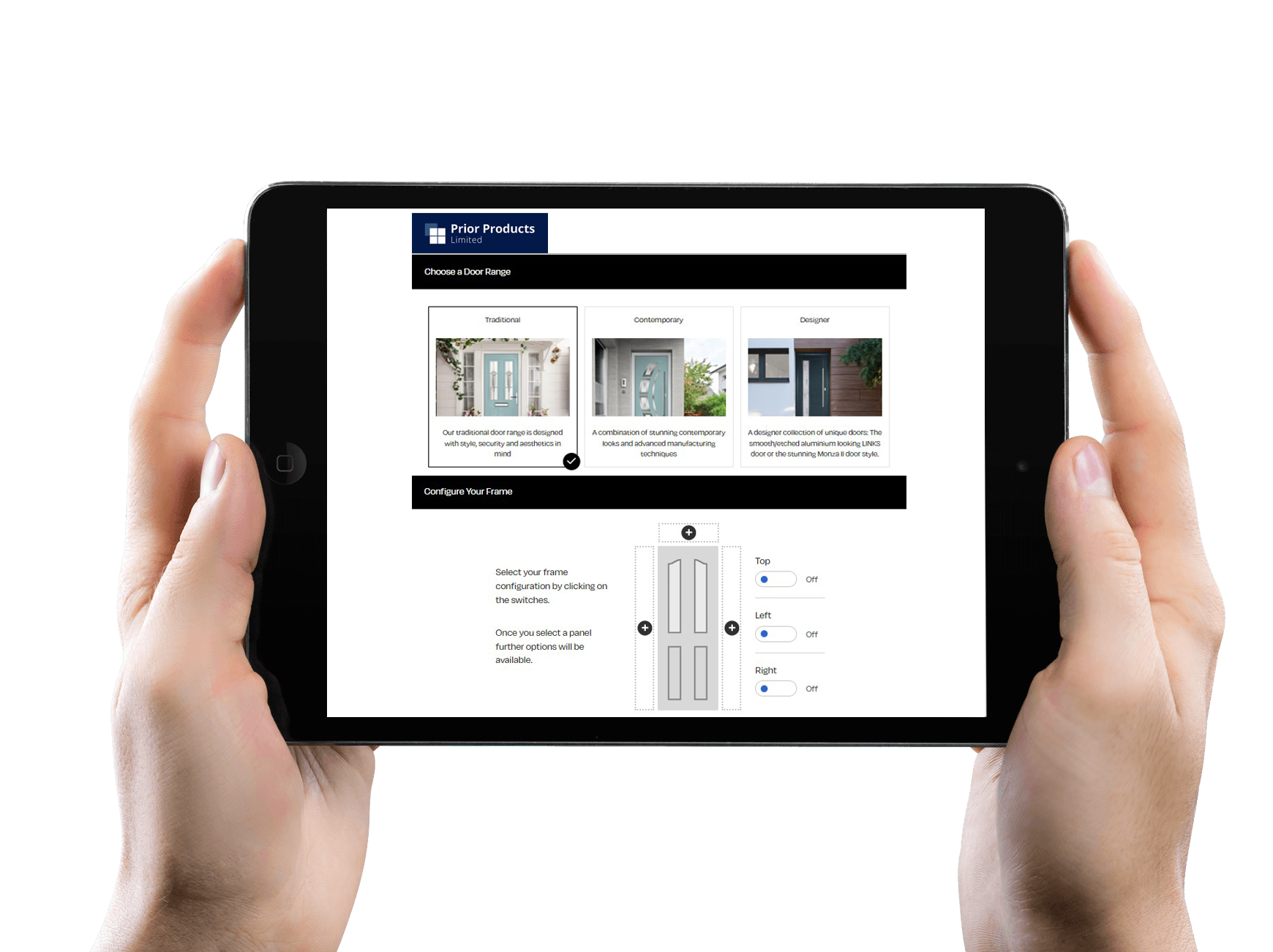
Design Your Perfect Door Online
Click below to design your perfect door online.
Choose from hundreds of options to design your door in minutes.
Composite Door Hardware
We have a wide range of door accessories for you to choose from including door handles, door knockers and letter plates.
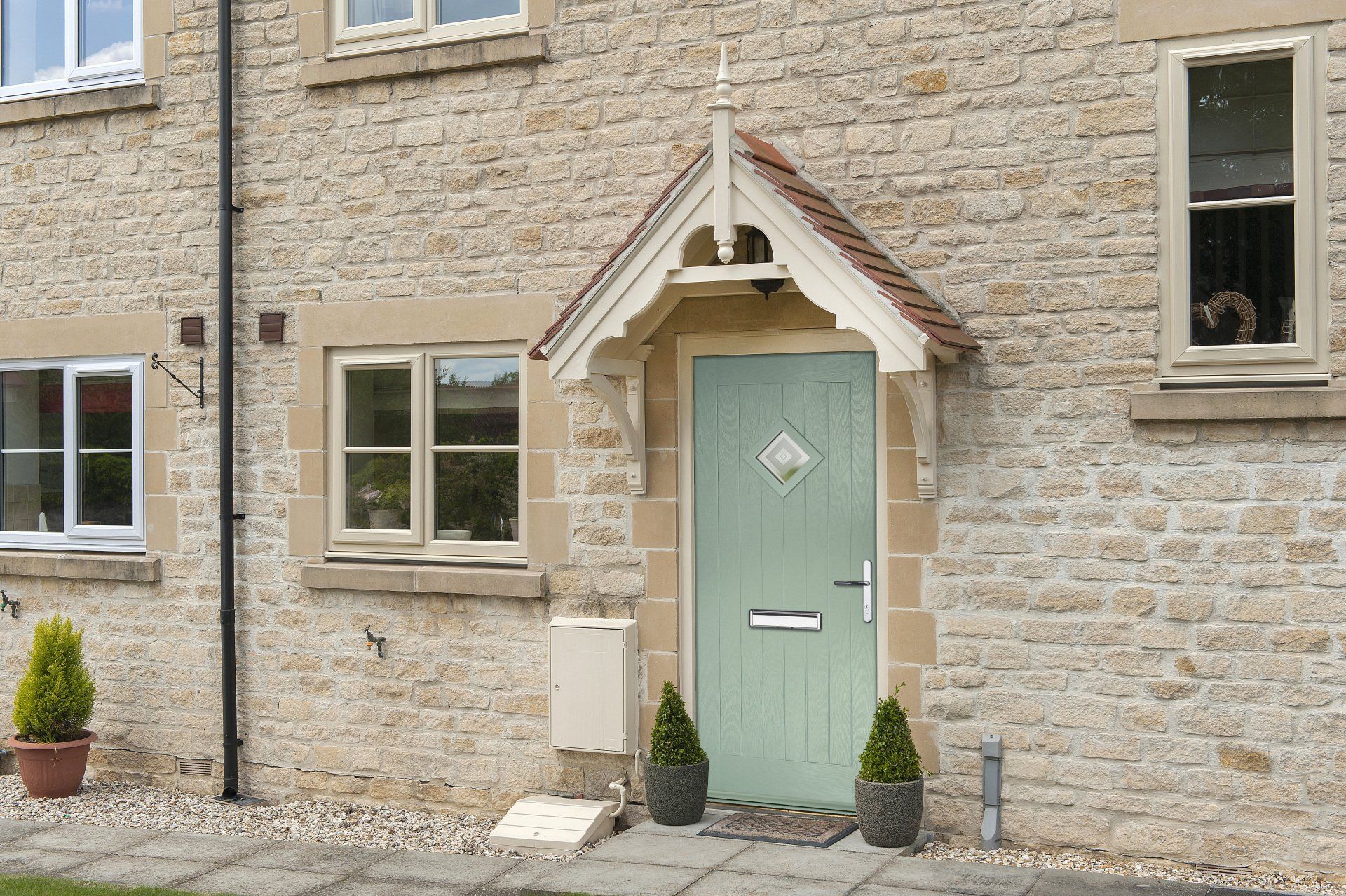
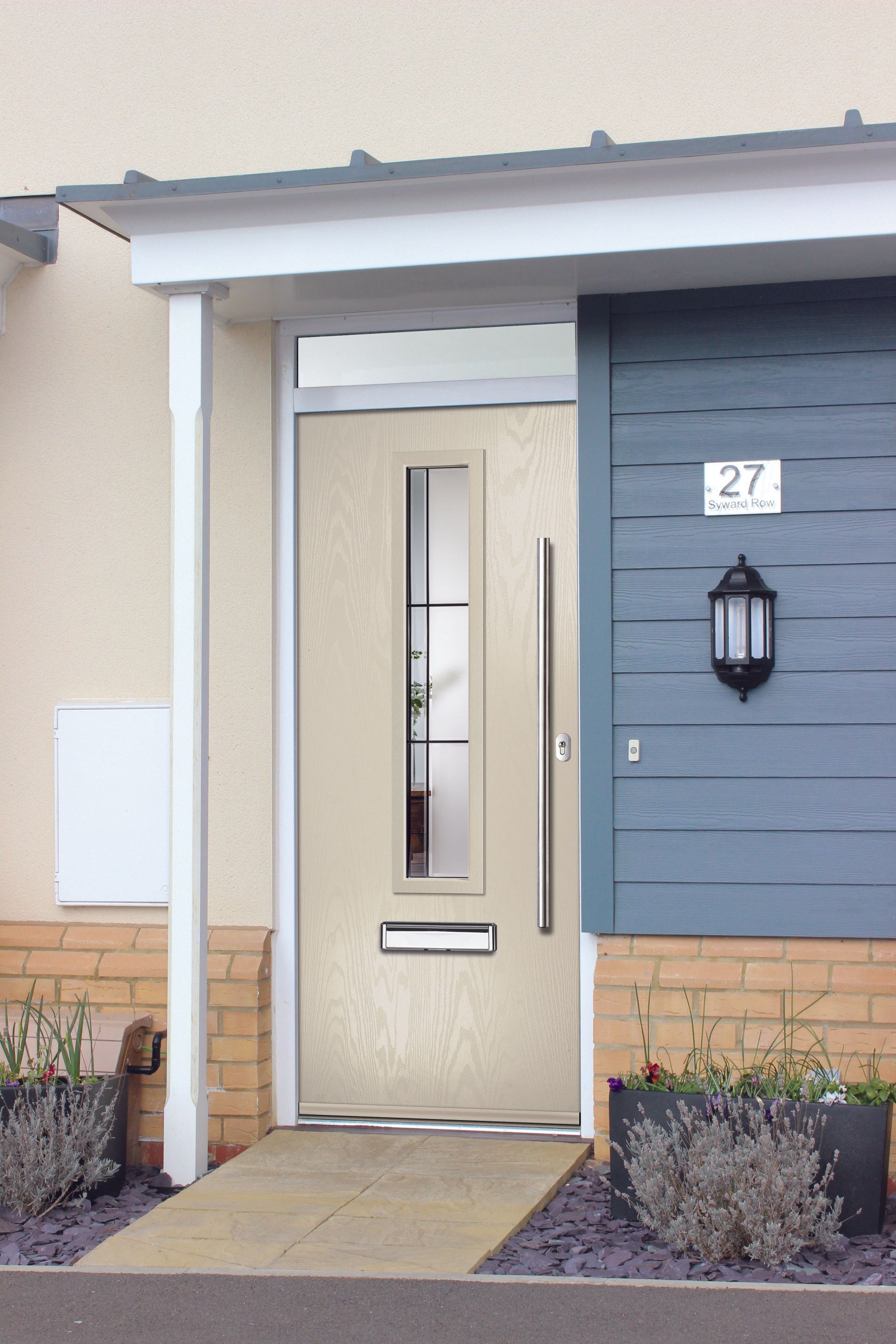
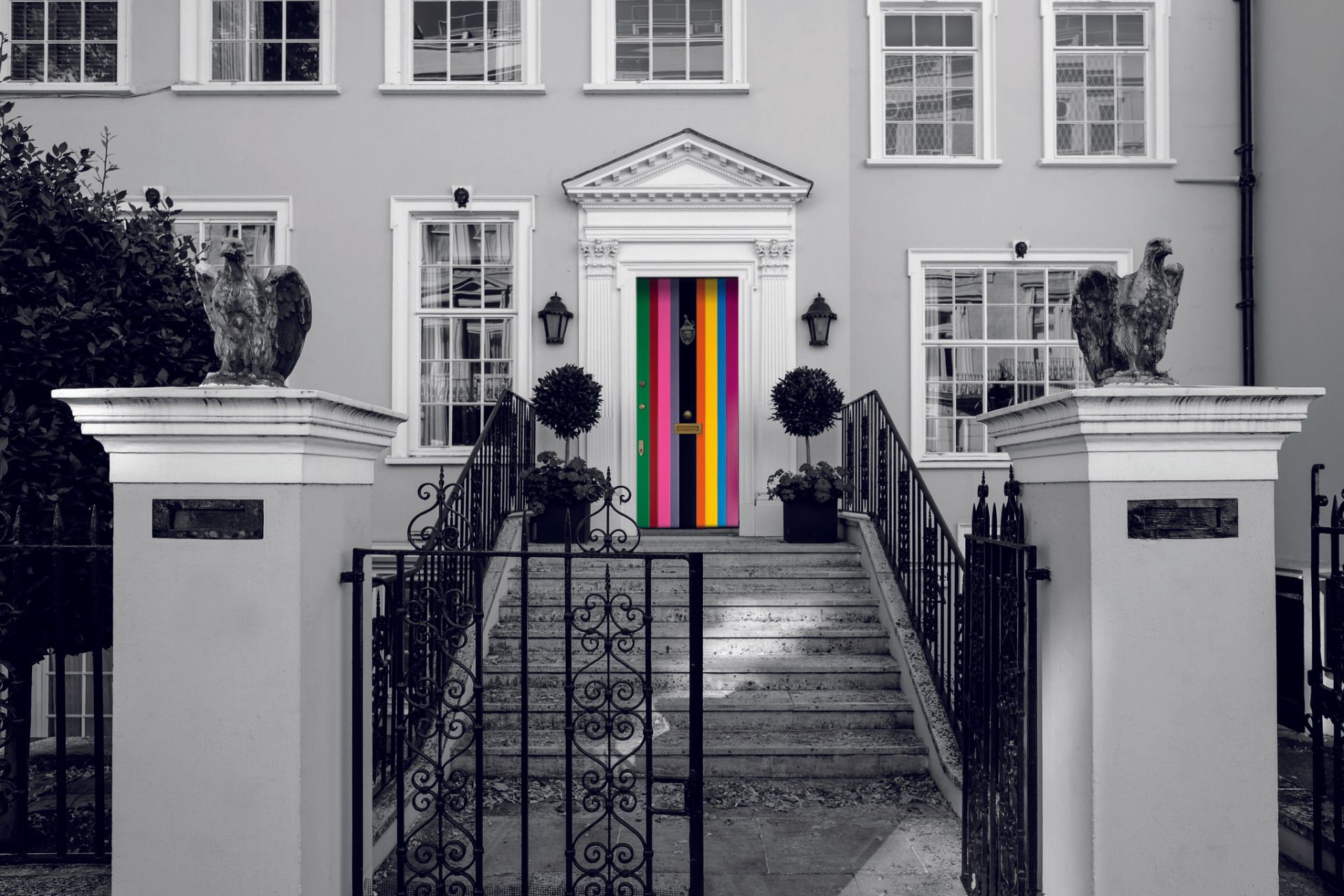

What is a Composite Door?
A composite door is a modern front door made from a combination of materials rather than a single material like timber or uPVC. Inside, it has a solid core designed for strength and insulation, while the outer layers are built to resist weather and wear. The result is a door that feels solid, secure and well insulated.
From the outside, a composite door is designed to look good as well as perform. Many have realistic woodgrain finishes or clean contemporary styles, so you can choose something that suits your home without taking on the upkeep of traditional timber.
For most homeowners, it comes down to three things. You get better security from a strong, reinforced structure. You get improved energy efficiency thanks to the insulated core. And you get a door that keeps its appearance with very little maintenance over time.
How Are Composite Doors Made?
Composite doors are built in layers, with each part chosen to do a specific job. At the centre is a solid core, usually made from a high density material that gives the door its strength and helps retain heat. This is what gives a composite door that reassuring, weighty feel when you open and close it.
Around that core sits a durable outer skin, often reinforced and finished with a realistic woodgrain or smooth surface. This outer layer is designed to cope with the British weather without warping, swelling or fading, so the door keeps its appearance over time.
Inside the structure, reinforcement is added where it matters most, along with high performance seals around the frame to keep out draughts. The door is then fitted with secure multi point locking systems and your chosen glazing, colour and hardware.
Everything is brought together as a complete unit, made to measure for your opening. The result is a door that combines strength, insulation and long term reliability in a way that a single material on its own cannot achieve.
Are Composite Doors Weather Resistant?
Yes, composite doors are designed specifically to handle the British weather. The outer skin is built to resist rain, wind and temperature changes, so it will not swell, warp or crack in the way traditional materials can.
The construction also includes tight seals around the frame, which help keep out draughts and prevent water ingress during heavy rain. This means your home stays warmer, drier and more comfortable throughout the year.
The colour and finish are made to last as well, so the door keeps its appearance without fading or needing regular upkeep. For most homeowners, that means a front door that continues to look good and perform well, whatever the weather throws at it.
Is Finance Available for Composite Doors?
Yes. Prior Products offers flexible finance options, including 0% interest finance, to help make premium composite doors more accessible. This allows you to spread the cost of your new composite door over manageable monthly payments rather than paying the full amount upfront.
Finance can be a convenient way to invest in improving your home’s energy efficiency, comfort and appearance while keeping control of your budget. Our team will be happy to explain the available options and help you find a payment plan that suits your circumstances.
If you would like to learn more, you can discuss finance during your home survey or when visiting our showroom.
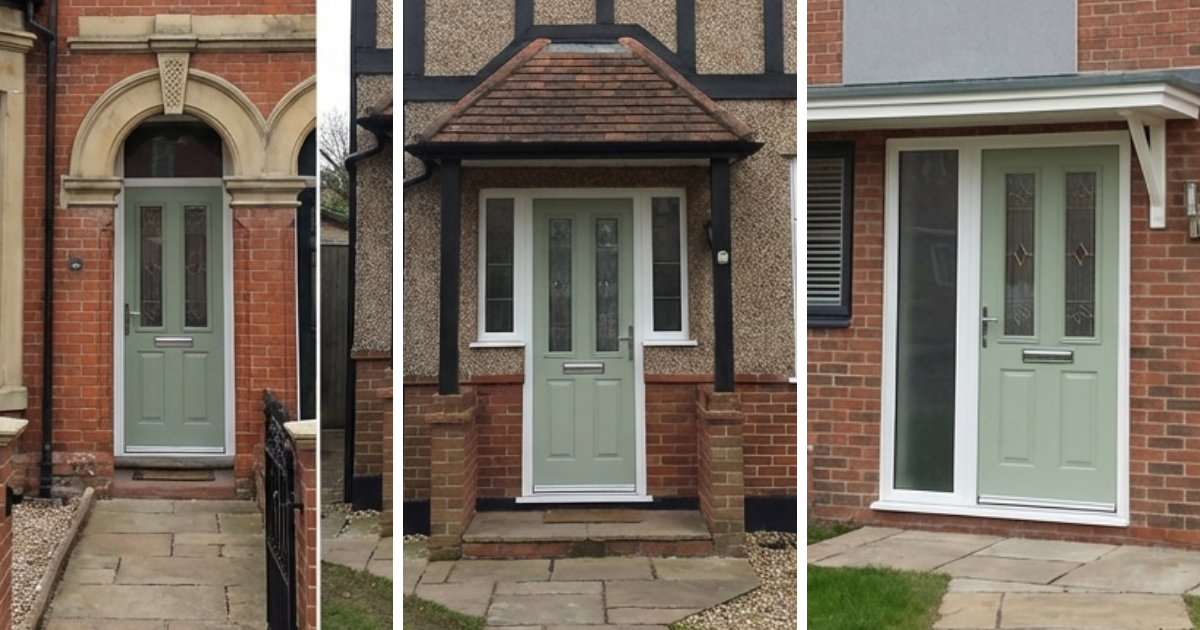
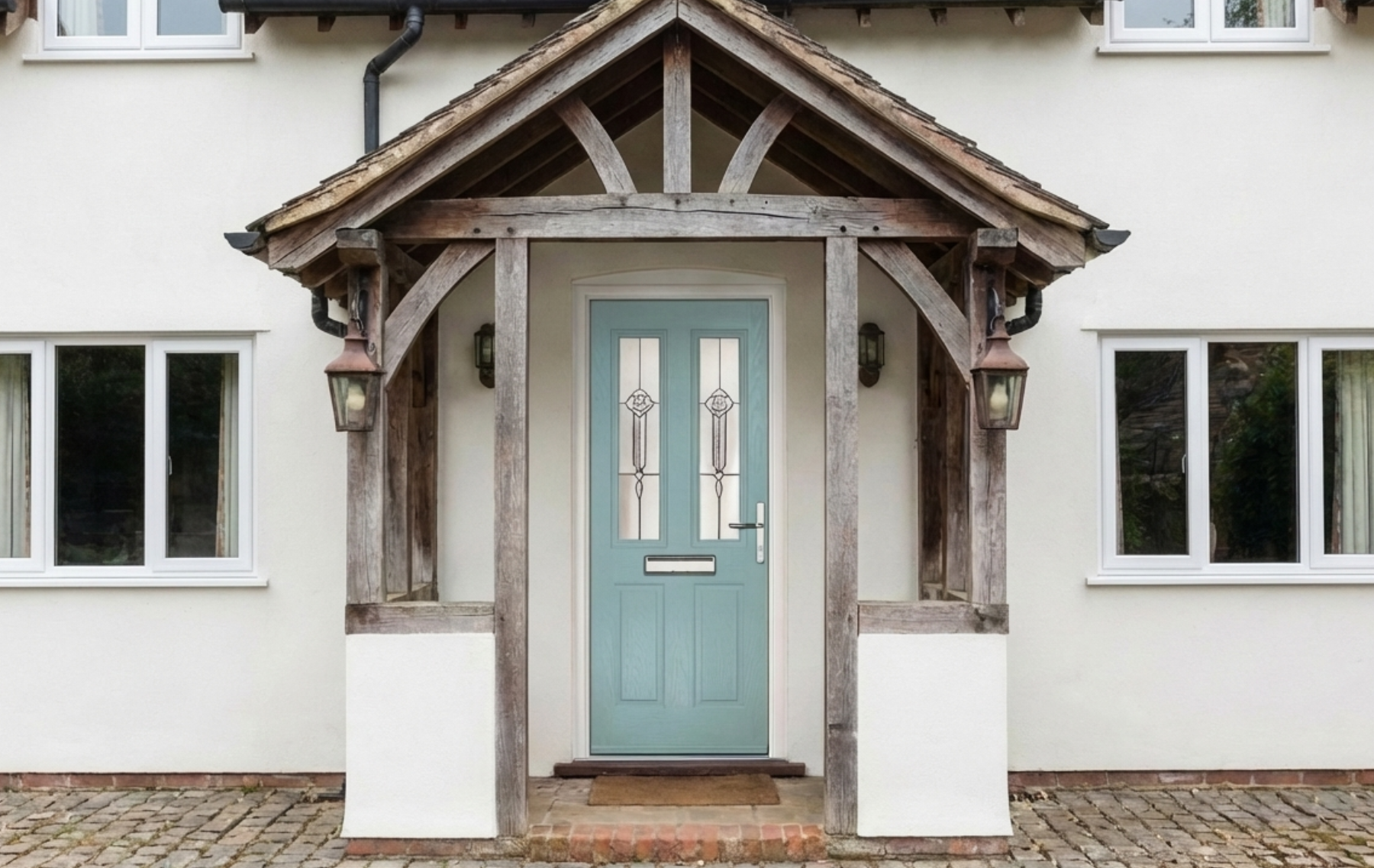
Composite Door Gallery