

Windows for Period Properties
What Makes a Window “Right” for a Period Property?
In the UK, period properties typically refer to homes built before 1919. This includes Georgian townhouses, Victorian terraces and villas, Edwardian semis, and traditional cottages from earlier centuries. Each era brought distinctive architectural styles, and the windows were often a defining feature of the overall aesthetic.
Suitable windows must respect original proportions, sightlines, and glazing patterns while meeting modern living standards for warmth, security and noise reduction. The challenge many homeowners face is finding the right windows that honour their home’s character while delivering the thermal performance and comfort expected today.
When assessing what makes a window appropriate for your period home, consider:
- The architectural era and typical window styles of that period
- Whether your property is a listed building or sits within a conservation area
- Any existing alterations that have already changed the original appearance
- Your priorities: authenticity, low maintenance, budget, or a balance of all three
The good news is that it is entirely possible to improve performance without spoiling your house. Modern manufacturing techniques and heritage-focused designs mean you can achieve excellent thermal efficiency while maintaining an authentic appearance.
Planning, Listed Status and Conservation Areas
Planning rules are often the starting point for choosing windows in older UK homes. Before committing to any replacement windows, understanding what controls apply to your property will save time and potential disappointment.
Listed buildings in England and Wales are graded as Grade I, Grade II* or Grade II, reflecting their national importance. Replacing windows in these properties usually requires listed building consent from your local authority. Conservation officers often insist on like-for-like timber replacements, and in some cases, single glazing may be required to maintain the original appearance. However, many councils now accept slimline double glazing where it can be fitted into existing frames or closely matches the original profile.
Conservation areas and Article 4 Directions add another layer of consideration. Even if your home is not listed, it may sit within a conservation area where permitted development rights have been restricted. This often affects front and side elevations facing the street, meaning you may need planning permission for any material or style change. Rear elevations typically have more flexibility.
Unlisted period homes outside conservation areas generally have more freedom, though sympathetic design remains important for maintaining kerb appeal and property value. Whatever your situation, checking your local authority’s guidance and speaking with conservation officers before ordering any windows is strongly advisable.
Matching Window Styles to Different Periods
Each architectural period had distinctive window styles, and getting this right is the biggest single factor in achieving authenticity. Understanding what was typical for your home’s era helps you make informed choices about replacements.
The main eras to consider are Georgian (c.1714–1830), Victorian (1837–1901), Edwardian (1901–1914), and traditional cottages or early 20th-century suburban homes. Modern heritage windows can replicate original looks in uPVC, timber, or aluminium while improving insulation and security.
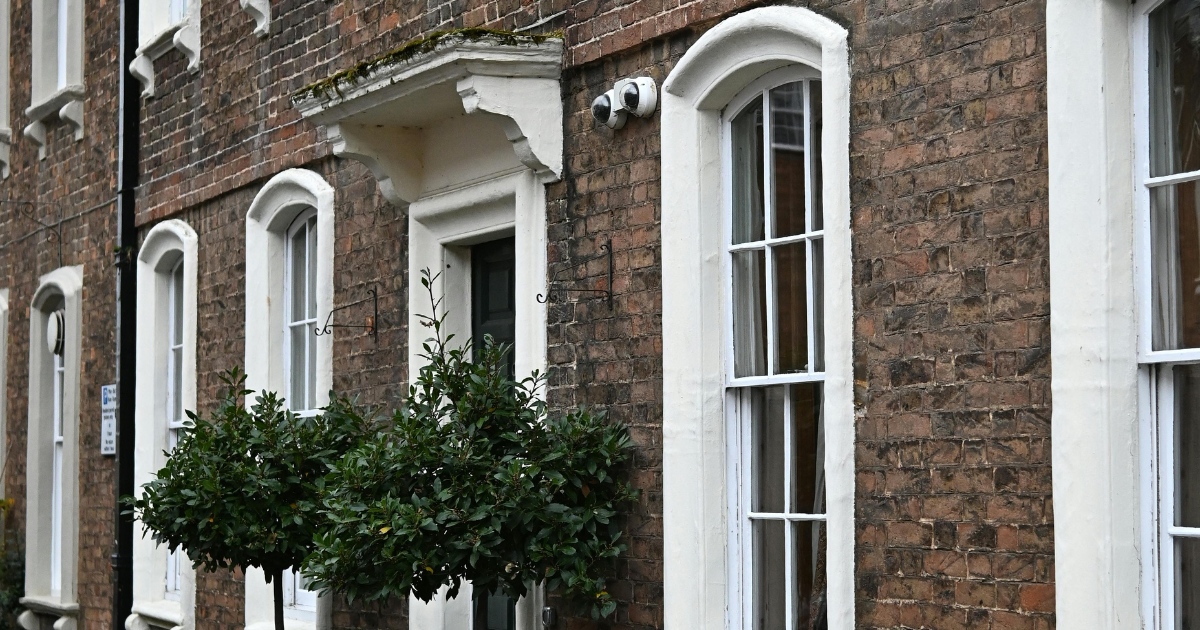
Georgian Properties (c.1714–1830)
Georgian properties are known for their elegant proportions and symmetry. The windows were typically tall vertical sliding sash windows, usually arranged in a six-over-six pattern with slim glazing bars. The window frame sat flush in the masonry, creating clean lines that complemented the restrained classical architecture.
For listed Georgian townhouses and properties in strict conservation settings, traditional timber windows remain the preferred choice. Where councils permit, slimline double glazing can be incorporated into timber frames while maintaining the slim sightlines that define the period.
For unlisted Georgian-style homes, high-quality heritage uPVC or aluminium sash windows with astragal bars and mechanical joints can work well. The key is choosing profiles that avoid the thick, stepped appearance of standard modern frames.
Colour is important too. Off-white or cream finishes suit Georgian facades better than bright white, and matte timber-effect foils help avoid an obviously plastic appearance. Maintaining original opening sizes and bar layouts is essential for preserving Georgian symmetry.
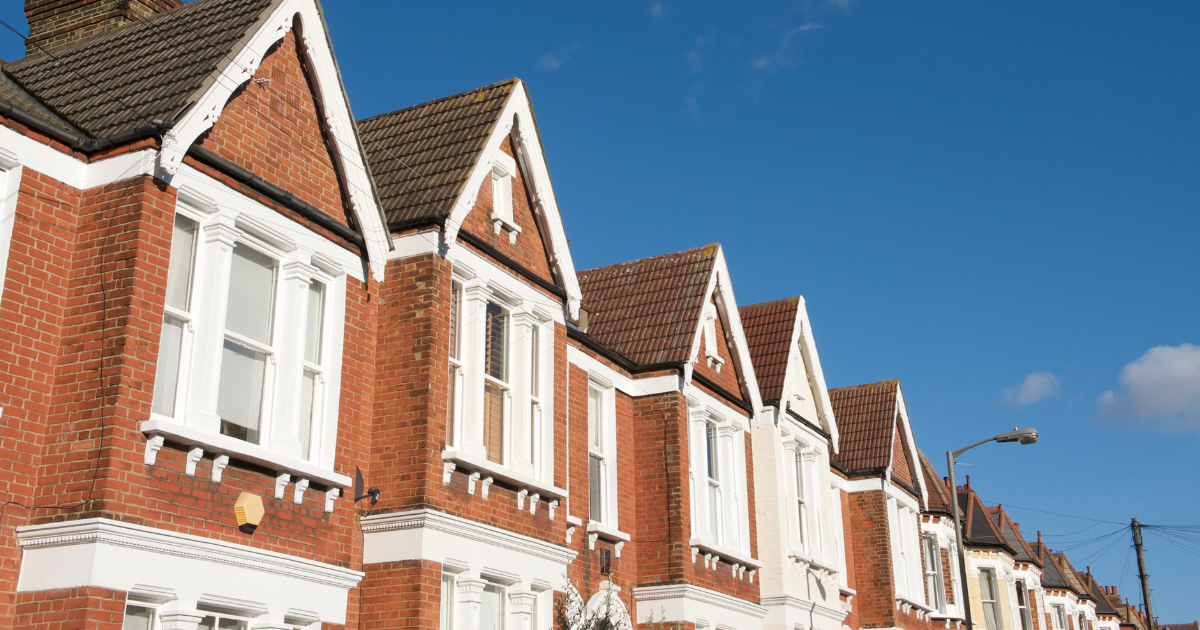
Victorian Homes (1837–1901)
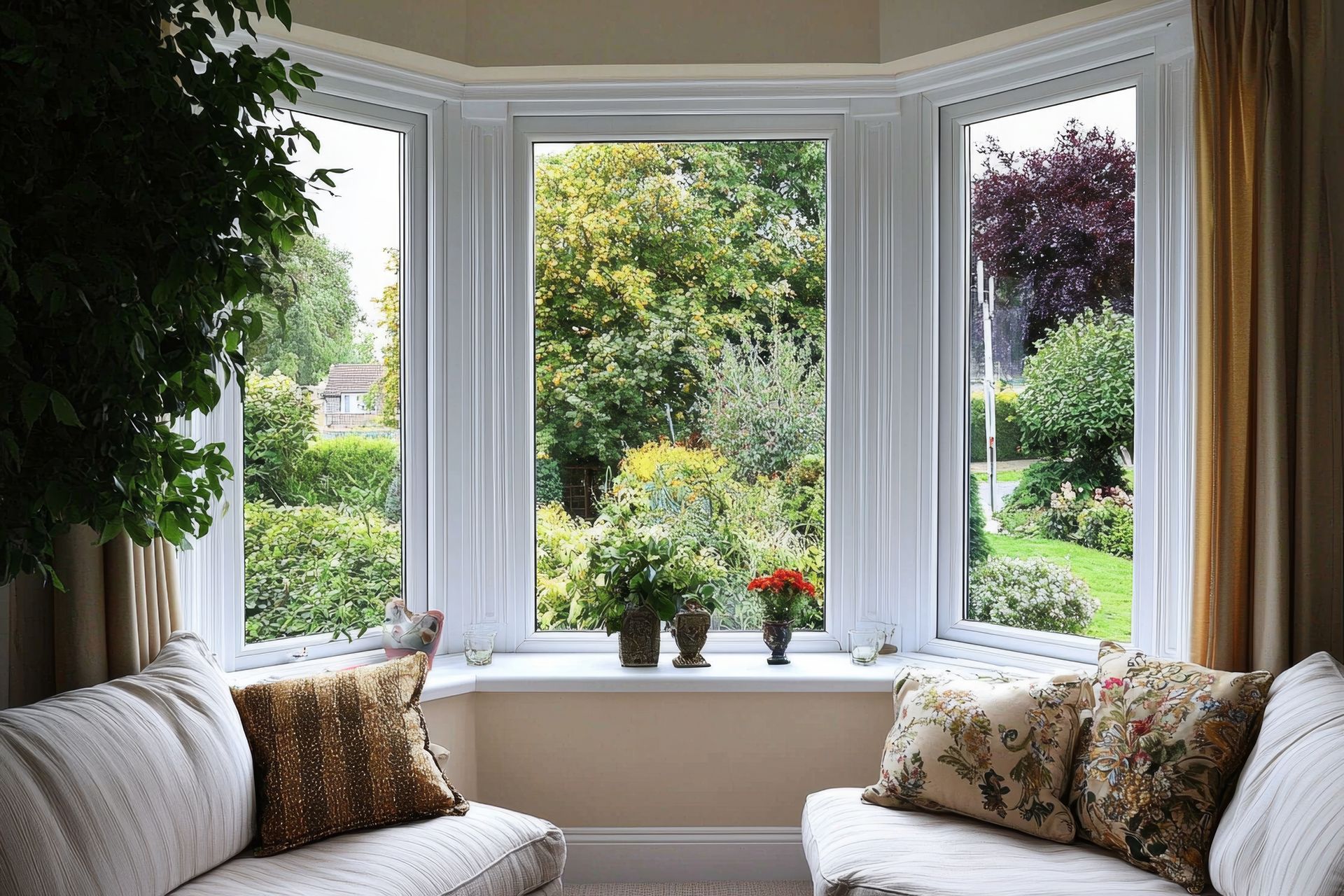
Victorian windows evolved as glass manufacturing improved, allowing larger panes than those of the Georgian era. Typical layouts include two-over-two or one-over-one sash arrangements. Bay windows became common on terraces and villas, with canted or square bays adding architectural interest to street frontages.
Modern sliding sash windows in timber or heritage uPVC are the most sympathetic replacement style for most Victorian terraces and semi-detached houses. Important details to include are run-through sash horns, fine astragal bars where appropriate, and traditional hardware such as fitch catches or sash lifts.
For unlisted properties, heritage uPVC sash windows or flush casement windows can balance authenticity with energy efficiency and reduced maintenance. The deep bottom rail typical of Victorian sash windows should be replicated to maintain the traditional proportions.
When replacing Victorian windows, matching any original decorative brick or stone window heads is important. Avoid thick, chunky frames that look out of place against the refined mouldings typical of the period.
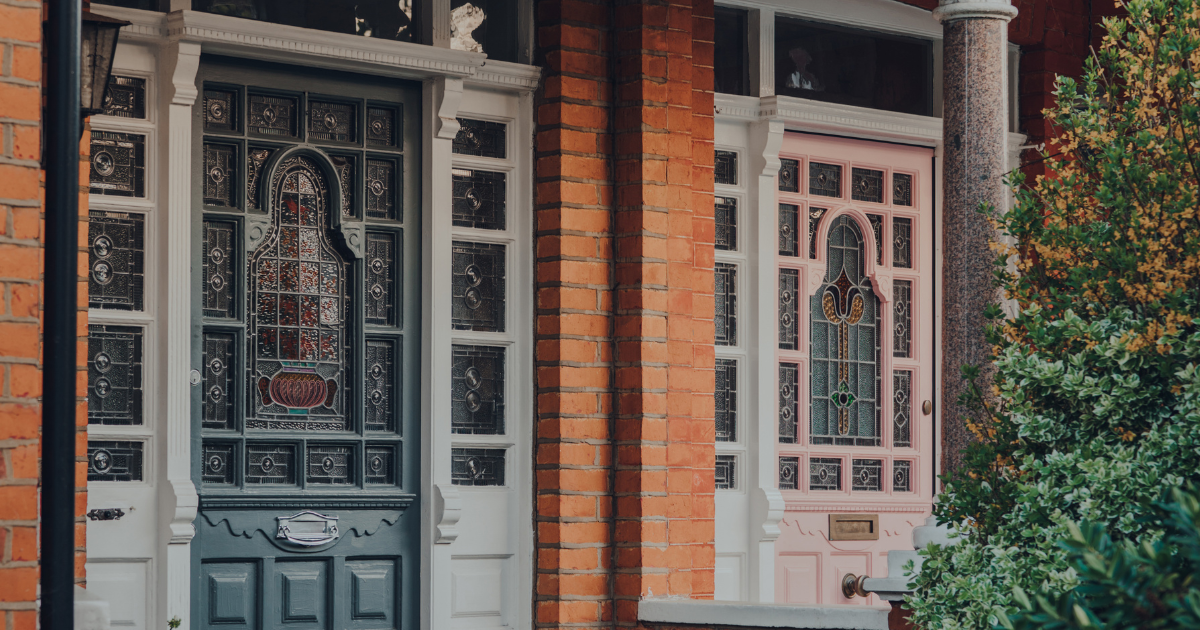
Edwardian and Early 20th-Century Properties (1901–1930s)
Edwardian properties placed great emphasis on natural light, with larger window openings than their Victorian predecessors. Common patterns include six-over-two or similar arrangements, sometimes combining a multi-pane upper sash with a larger lower pane.
Many Edwardian and 1920s–30s homes moved towards casement windows, often featuring leaded or stained glass in the upper sections. These decorative top lights added character while allowing more light into rooms.
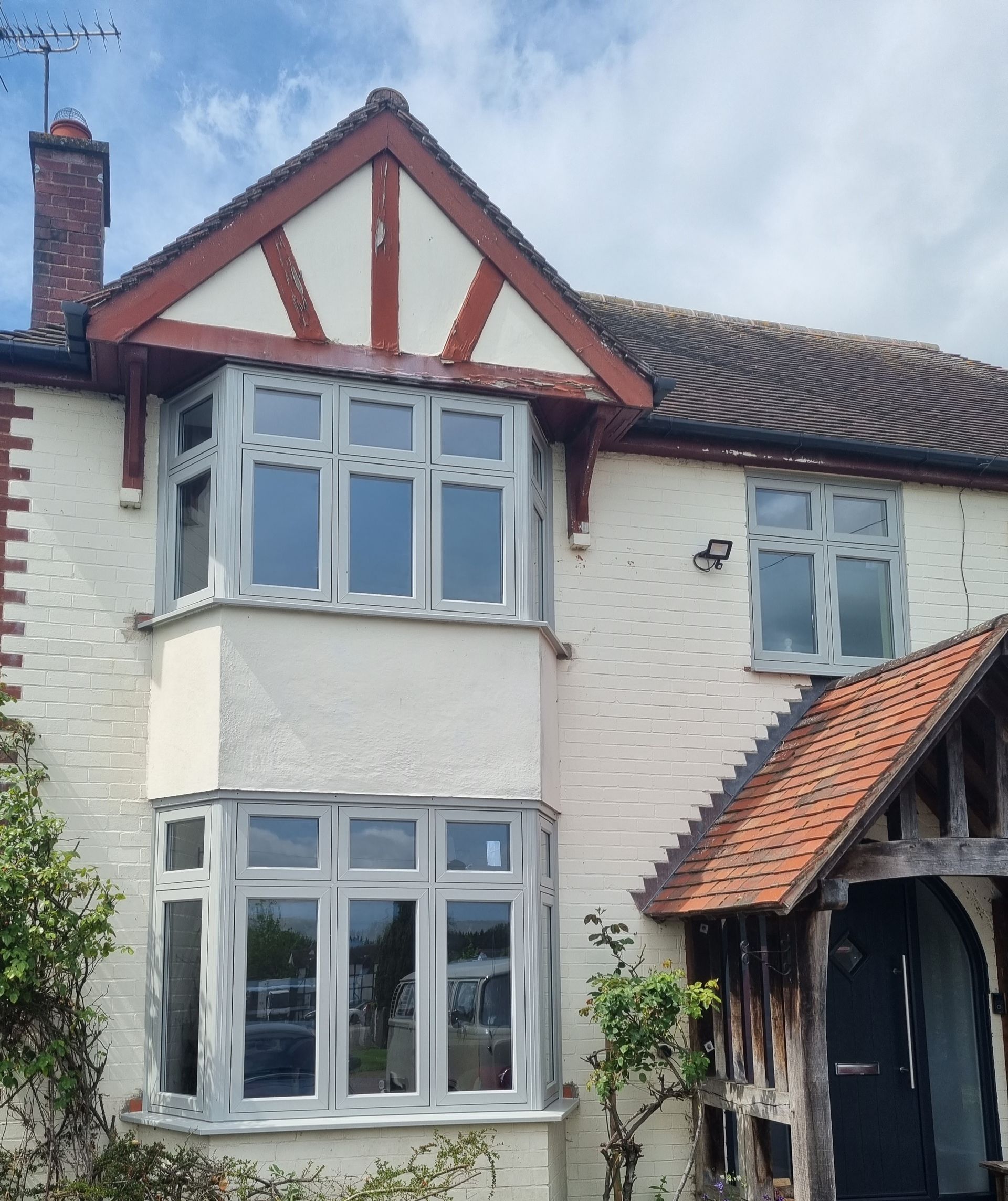
Slim-framed timber or flush casement windows suit these homes well, with period-style glazing bars and optional leaded top lights to echo original designs. Modern uPVC flush casements with timber-effect joints and traditional handles offer a strong option for unlisted suburban semis and detached houses.
Neutral paint and foil colours work best for Edwardian properties. White, cream, and agate grey complement the red brick and roughcast finishes typical of the era.
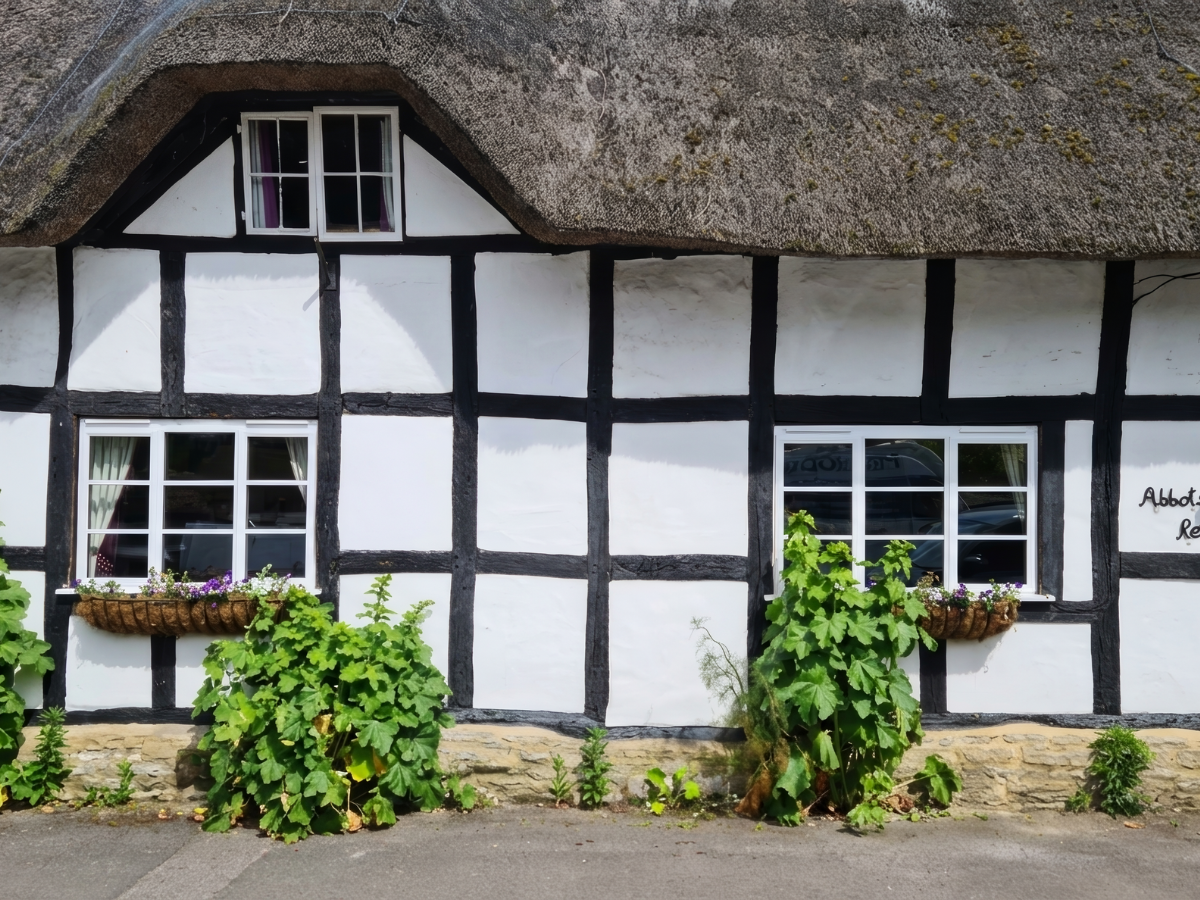
Cottages and Rural Period Homes
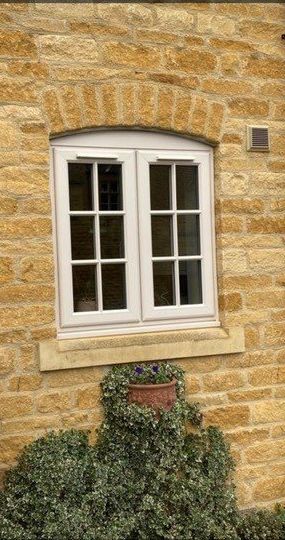
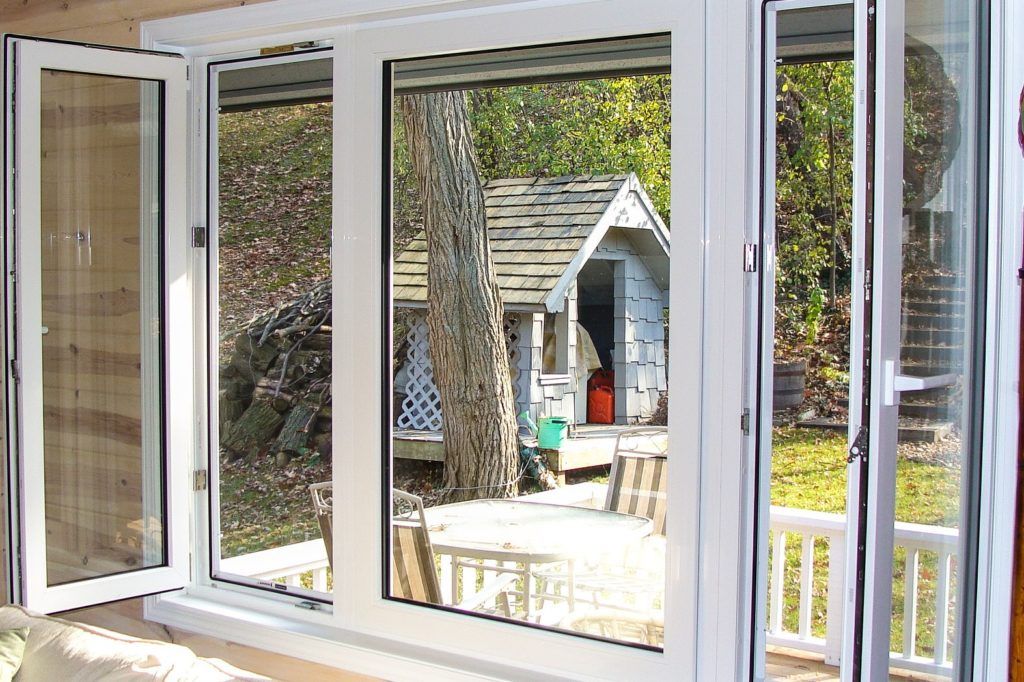
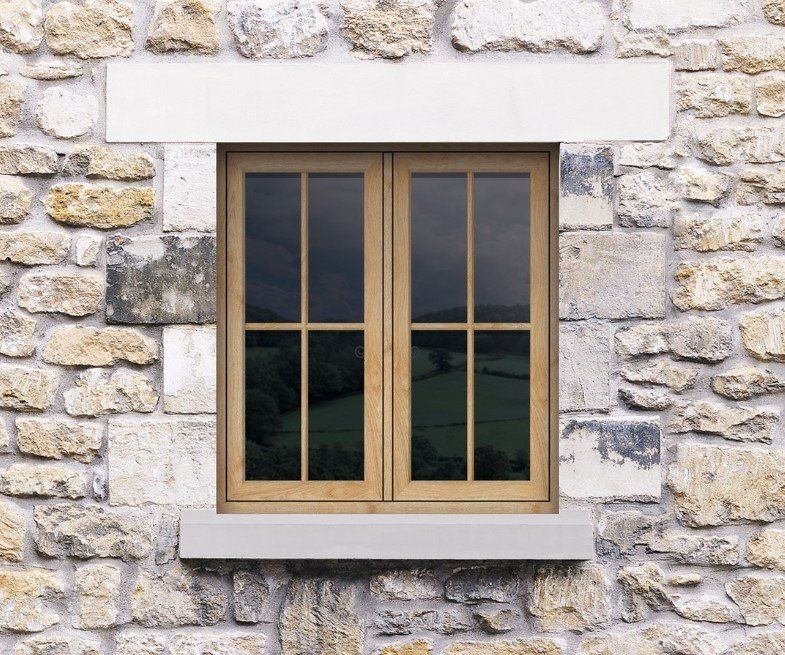
Traditional cottages have their own distinct character, with smaller openings suited to thick stone or brick walls and uneven construction. Side-hung casement windows with multiple small panes were common, creating the charm that defines these properties.
For listed cottages and highly sensitive village settings, timber flush casement windows with chunky glazing bars and woodgrain finishes are usually the most appropriate choice. The window replacements should respect the irregular nature of older buildings rather than imposing perfect modern symmetry.
Non-listed cottages have more flexibility. uPVC flush sash or casement windows with woodgrain foils in shades like Irish Oak or Golden Oak can maintain the rustic feel with less ongoing maintenance.
Important details include matching pebbled or buff stone cills, using period-style stays and handles such as monkey tail or pear drop designs, and avoiding overly large single panes that look too modern. Soft, traditional colours like cream, heritage green, or off-white suit rural settings where painting is permitted.
Choosing the Right Frame Material
Frame material affects appearance, lifespan, maintenance requirements, and how easily you can achieve a genuine period look. Understanding the options helps you make the right choice for your circumstances.
The three main materials available to UK homeowners are timber, uPVC (including heritage and flush variants), and aluminium. Listed buildings and strict conservation areas often steer you towards timber, while unlisted properties usually have more flexibility.
Cost, maintenance expectations, and planning requirements will help narrow the best choice for your situation.
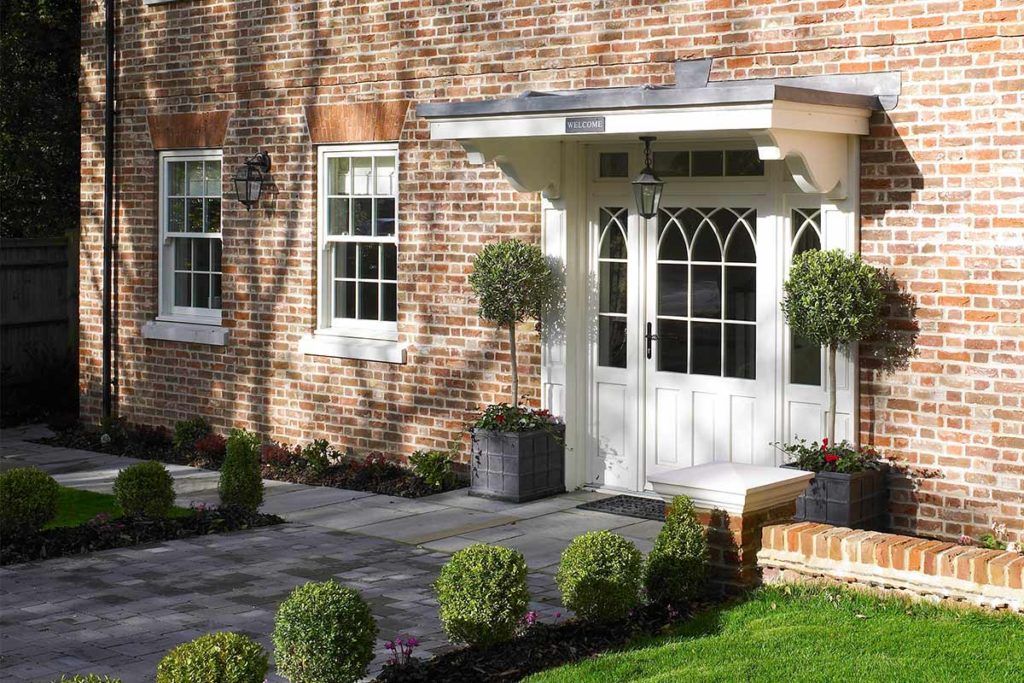
Timber Windows
Timber remains the traditional material for period property windows, offering unmatched authenticity and frames that can be repaired rather than replaced entirely. For many conservation officers, timber is the only acceptable choice for prominent elevations on listed buildings.
Modern engineered softwood or hardwood windows can achieve lifespans of 60 to 100 years with proper care. Regular painting or staining, typically every 5 to 7 years for exterior surfaces, keeps frames in good condition and protects them against weathering.
Slimline double glazing and draught-proofing seals can often be incorporated into timber frames while still satisfying conservation requirements. This means traditional timber windows can now achieve thermal performance comparable to modern alternatives.
The downsides are a higher upfront cost than uPVC and the ongoing maintenance commitment. Timber is vulnerable to decay if neglected, so it suits homeowners willing to invest time in regular care.
Timber is recommended primarily for listed houses, conservation-area front elevations, and homeowners who prioritise originality above minimal maintenance.
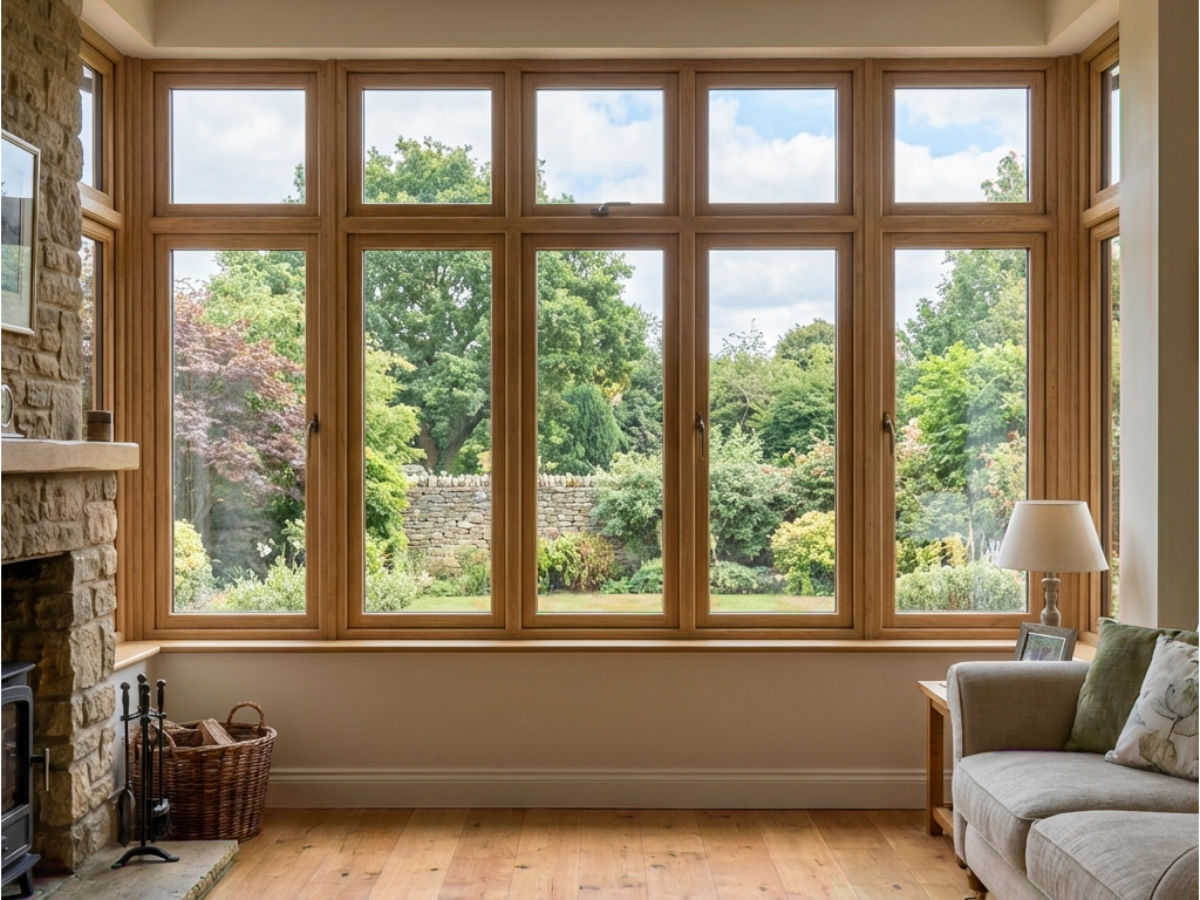
Traditional Style uPVC Flush Casement Windows
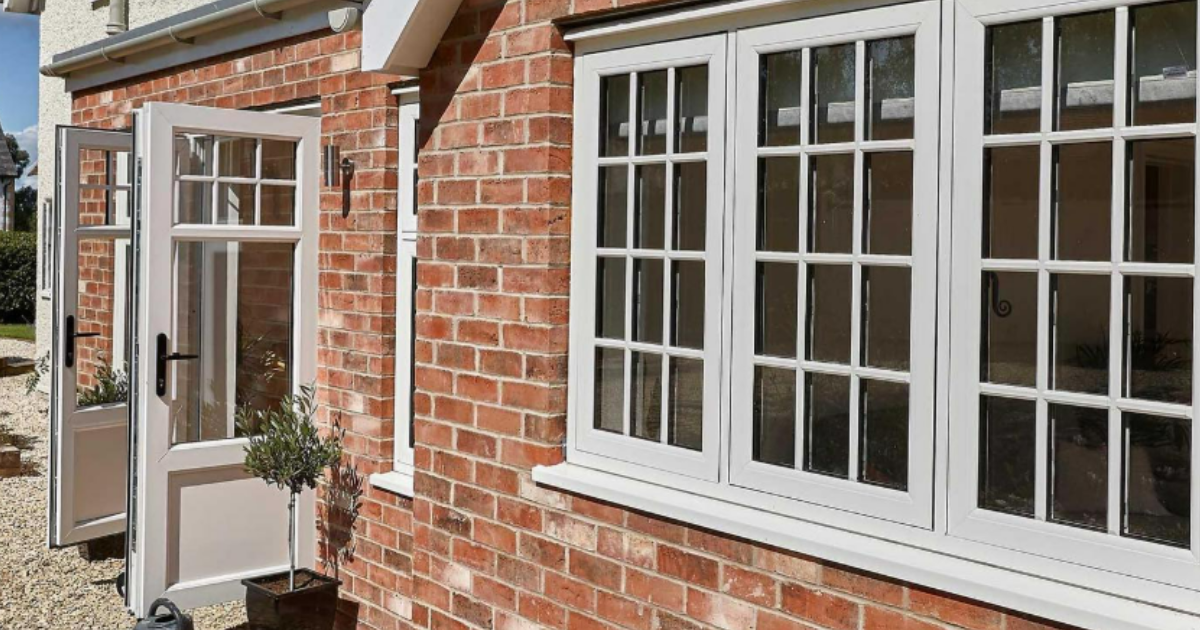
Traditional style uPVC windows represent a modern evolution that closely copies traditional timber looks. Features include flush sashes that sit level with the frame, mechanical joints that avoid visible welded corners, and realistic woodgrain textures.
Flush casement windows avoid the chunky stepped appearance of standard white uPVC from the 1980s and 1990s. This makes them far more acceptable on period properties where older plastic windows look obviously out of place.
Benefits include strong energy performance, low maintenance with no painting required, and a wide palette of period-appropriate colours. Options like Chartwell Green, Anthracite Grey, Pebble Grey, and various woodgrain finishes allow you to match your home’s style.
Cheap, standard uPVC with thick profiles and shiny white plastic can harm a period façade and may not pass planning checks in sensitive locations. Quality matters considerably when choosing heritage uPVC.
For non-listed period homes wanting character, modern glazing performance and minimal upkeep,
Flush Casement uPVC windows offer an excellent compromise.
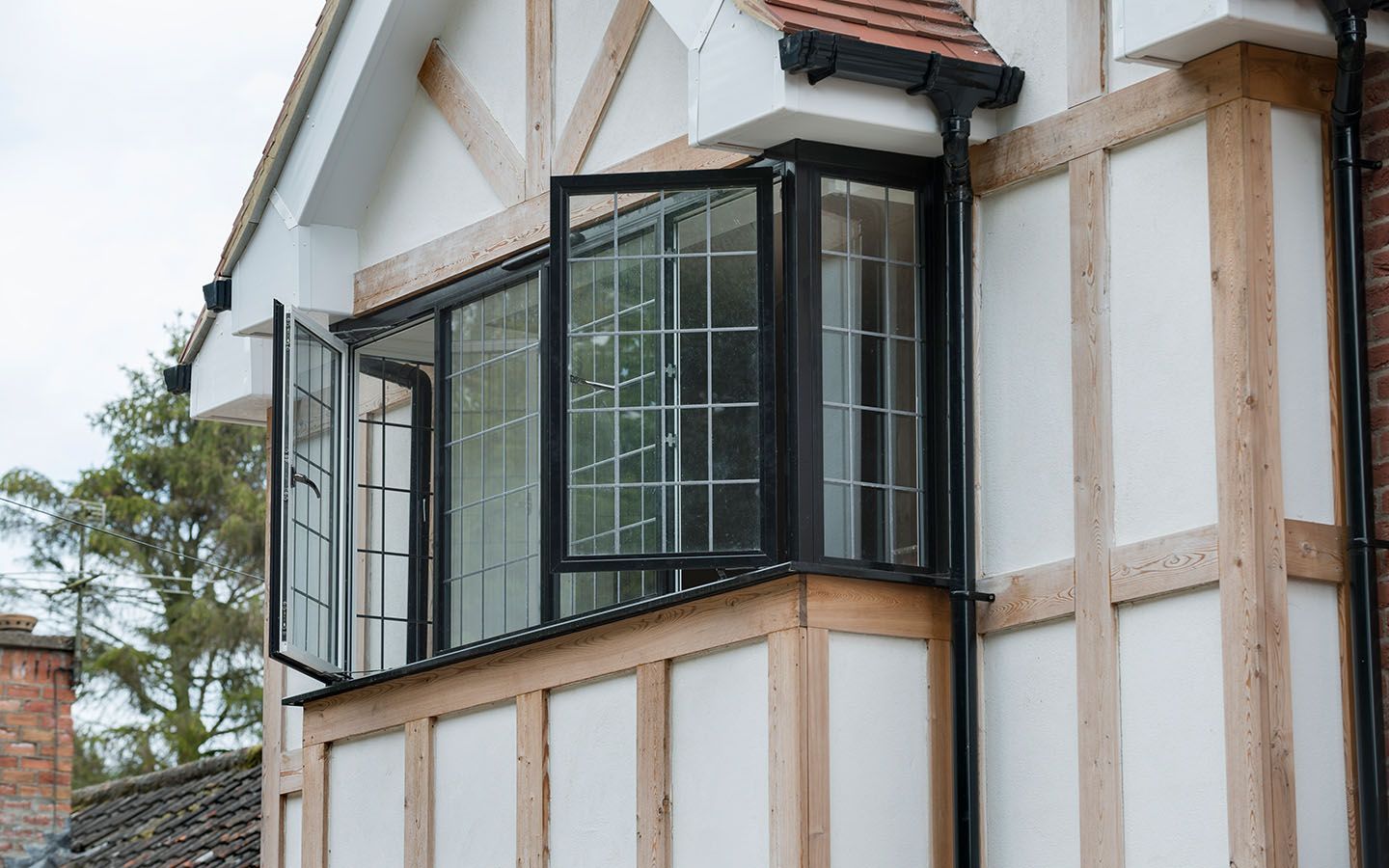
Aluminium Heritage Windows
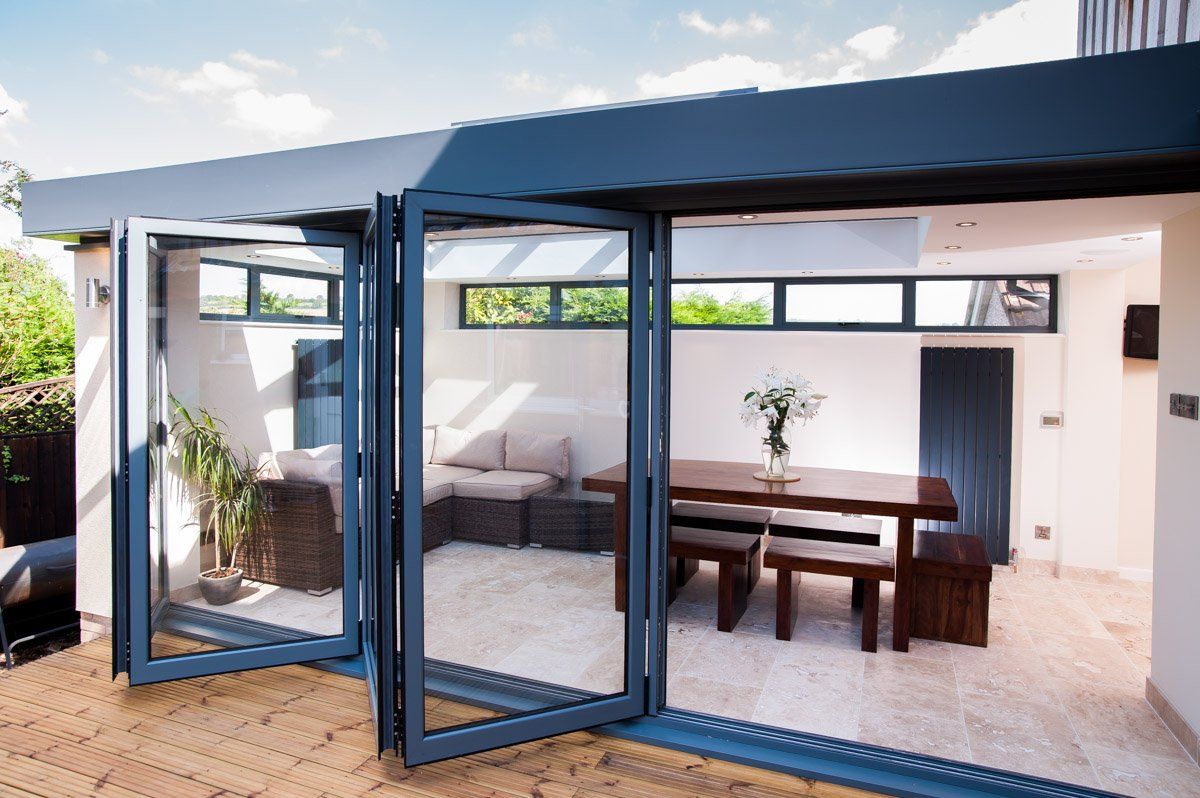
Aluminium was originally associated with modern architecture, but heritage-style aluminium systems are now available for period properties. These feature slim frames, thermal breaks for good insulation, and powder-coated finishes that can mimic traditional colours.
Modern thermally broken aluminium frames can achieve good U-values meeting current building regulations. Some systems even replicate fine putty lines to enhance the traditional look.
Aluminium excels where properties need very slender sightlines, large glass areas, or steel-look replacements. This makes it particularly suitable for 1930s Art Deco houses or converted industrial buildings with Crittall-style windows.
Aluminium is usually more expensive than uPVC and may not be necessary for simpler period cottages or terraces. It suits homeowners after a refined, slim profile, where planning allows something other than timber.
Balancing Character with Modern Performance
Many period homeowners feel tension between preserving their home’s character and needing a warmer, quieter, more secure property. This balance is entirely achievable with careful specification.
Modern heritage-style windows can significantly improve comfort and energy efficiency while retaining the look of original timber designs. The technology has advanced considerably, allowing period-appropriate aesthetics alongside contemporary performance.
- Key performance improvements to consider include:
- Double or triple glazing: Reduces heat loss significantly
- Low-E coatings: Reflects heat back into the room
- Warm edge spacers: Minimises condensation and cold spots
- Effective weather seals: Eliminates draughts
- Acoustic glazing: Reduces external noise
- Trickle ventilation: Maintains air quality without opening windows
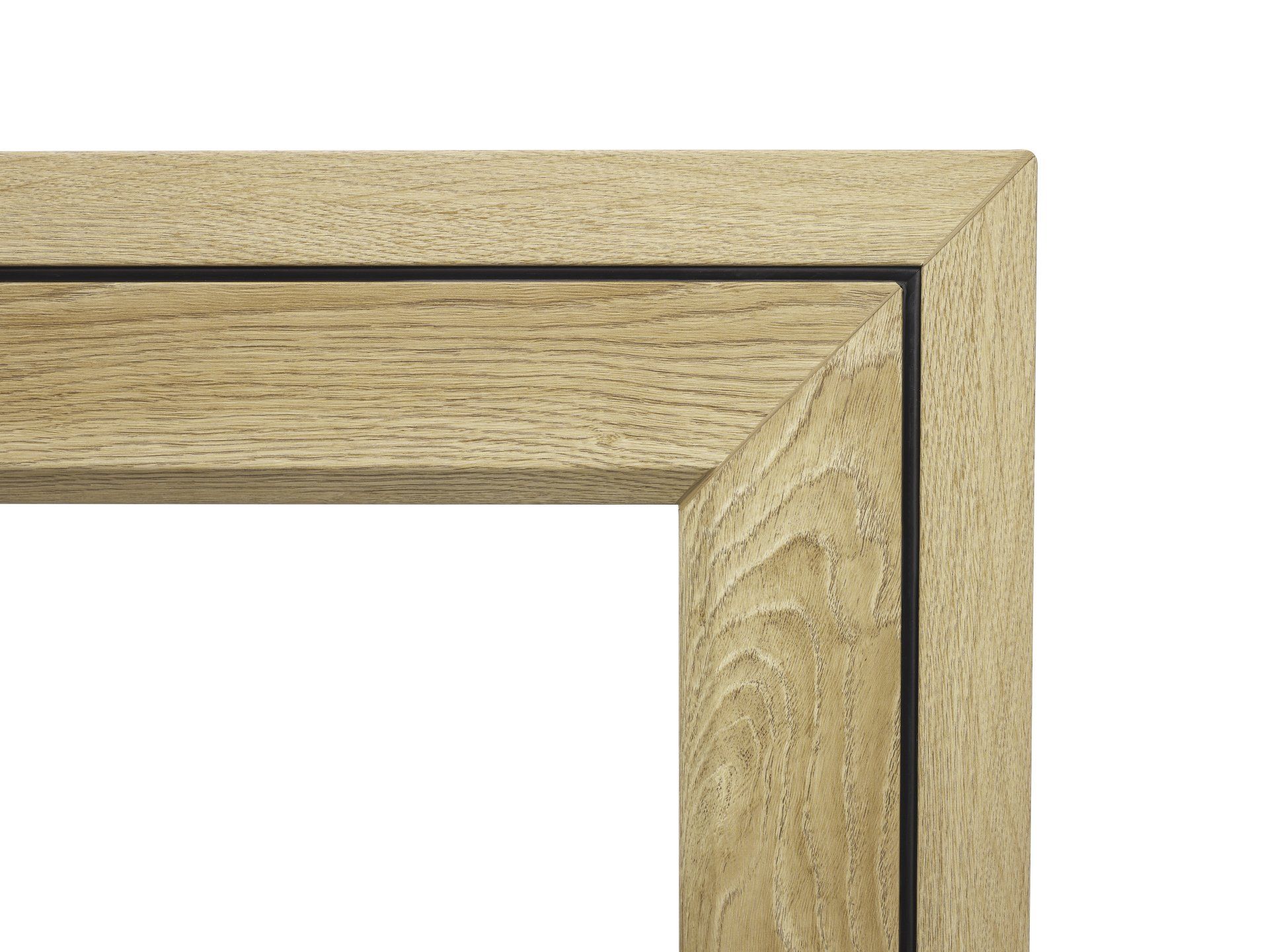
Design Details That Keep the Period Look
Small design details make the biggest difference to achieving an authentic look. Correct glazing bar layouts, sash proportions, meeting rail positions, and cill depths all contribute to whether new windows blend seamlessly or stand out awkwardly.
Where possible, choose putty-line style external glazing rather than modern bevelled beads. The subtle difference is noticeable to anyone familiar with period properties.
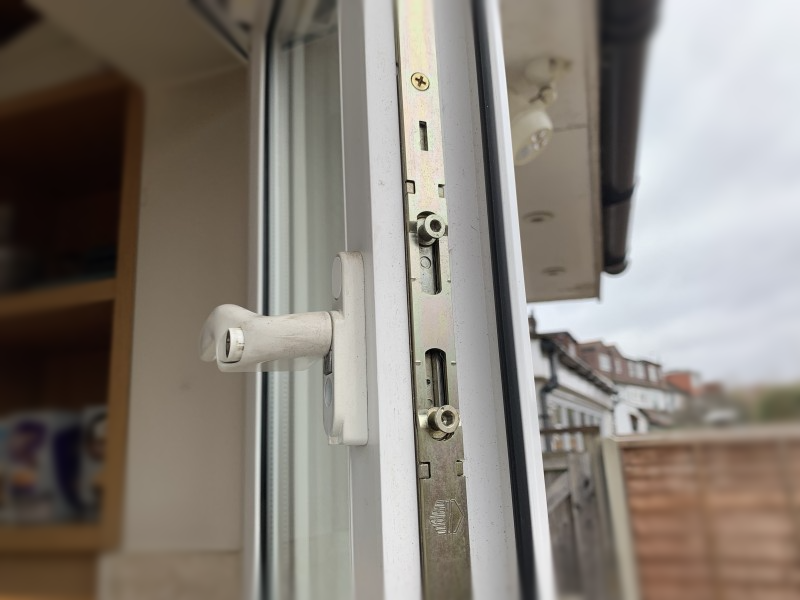
Period-style hardware reinforces the historic feel. Monkey tail handles, pear drop fasteners, traditional sash lifts and cords all signal quality and attention to detail. Avoid overly modern handles that clash with traditional frames.
Keep frame and sash sections slim and avoid unnecessary top-hung openers where originals were fixed or sash-only. Referencing old photographs, neighbours’ original windows, or archive drawings helps get proportions and layouts right.
When Replacement Windows Can Improve a Period Home
Not every old window is original or worth saving. Many period properties received unsympathetic replacements during the 1970s, 1980s and 1990s when energy efficiency concerns led to hasty upgrades with little regard for character.
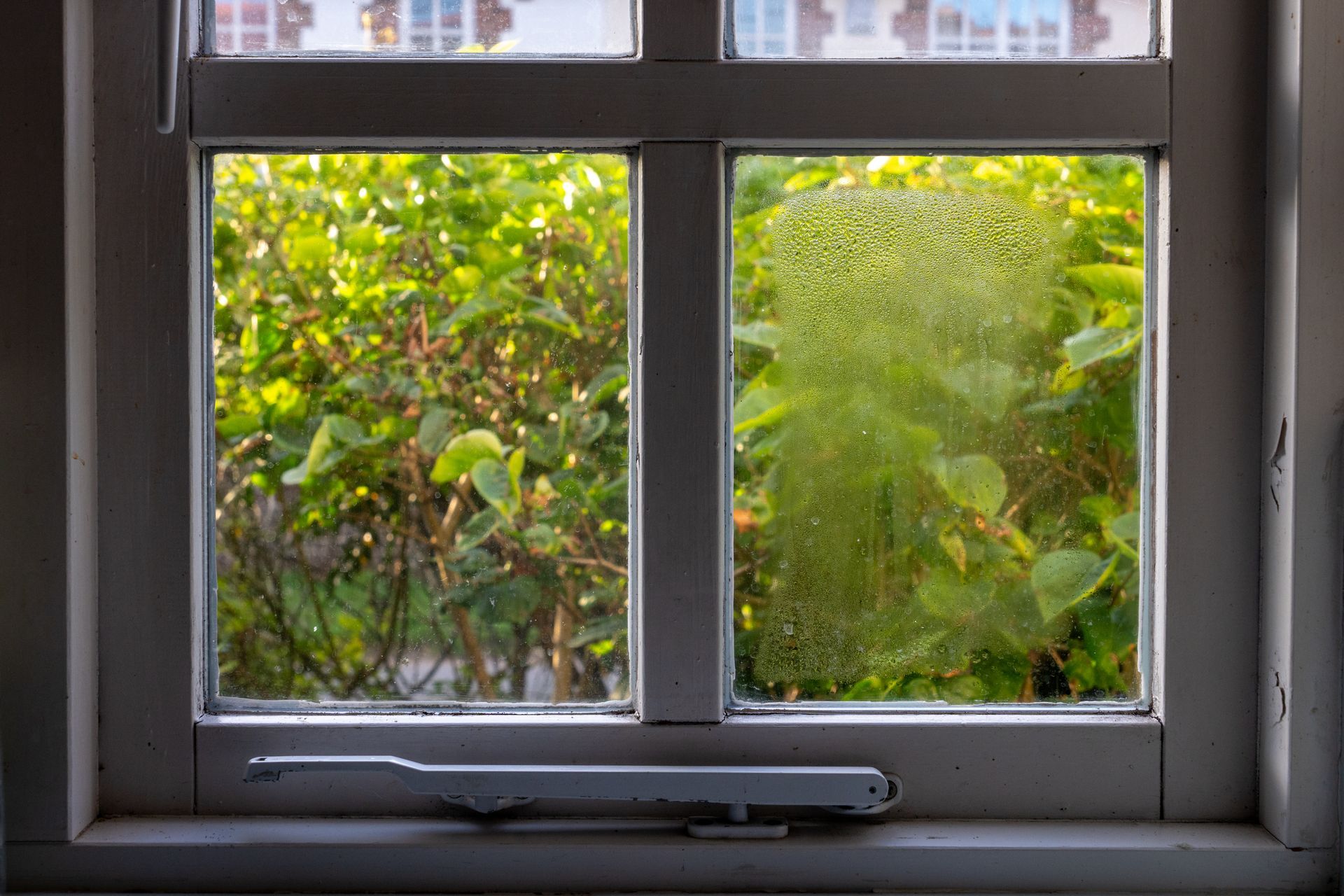
Common issues include bulky white uPVC or aluminium frames in Victorian brickwork, altered opening sizes, removed glazing bars, and draughty, failing units. These earlier replacements often detract from a period home’s appearance rather than enhance it.
A well-planned replacement project can restore lost character while cutting heat loss and improving security and operation. Removing inappropriate existing windows and fitting proper heritage-style replacements can transform a property’s kerb appeal.
Before deciding between restoration and full replacement, assess the condition, performance and visual fit of your current windows. In some cases, a mix of repaired originals on prominent façades and new heritage windows elsewhere offers the best compromise.
Practical Tips for Choosing and Installing Period-Style Windows
Planning a window replacement project benefits from a methodical approach. These practical steps will help ensure a successful outcome.
Commission a thorough survey to record existing window sizes, opening styles, sill heights and any historic features worth preserving. This baseline information guides material choices and helps with planning applications.
Create a schedule by elevation, noting front, side and rear windows separately. Planning requirements, materials and budgets can then be tailored to where they matter most visually. Front elevations in conservation areas may need timber, while rear windows might suit heritage uPVC.
Gather samples and visit showrooms to compare timber, traditional style uPVC and aluminium in person. Photographs rarely convey the texture, colour accuracy and profile thickness as clearly as handling actual samples. Pay attention to how closely the colour scheme matches your property’s existing features.
Choose experienced installers who regularly work on period homes. Properly making good to brick and stone surrounds requires different skills than modern cavity wall installation. Poor installation can undermine even the highest quality windows.
Frequently Asked Questions
Will double glazing ruin the look of my period property?
This is a common concern for owners of period homes. The short answer is no. Double glazing does not have to ruin the look of a period property if the right type of windows are chosen.
The problem usually comes from poorly chosen replacements. Early uPVC windows often had thick frames, shiny finishes and flat details that looked out of place on older buildings. That is why double glazing sometimes developed a bad reputation among owners of Victorian, Georgian and cottage style homes.
Modern systems are very different. Many double glazed windows are now designed specifically for heritage properties. They replicate the proportions, detailing and opening styles of traditional windows while adding modern insulation.
In practice the key is not simply “double glazing” but choosing windows designed with period architecture in mind. When proportions, glazing bar styles, frame details and colours are correct, most people cannot tell the difference from the original windows, while the homeowner gains a warmer, quieter and more efficient house.
Can I use uPVC windows in a conservation area?
This depends on your local authority and whether an Article 4 Direction removes permitted development rights. Policies vary considerably between councils.
Many authorities now accept high-quality heritage uPVC or aluminium if the visual match to timber is close enough, particularly on rear and side elevations. Front elevations facing the street typically face stricter scrutiny.
Submitting detailed drawings, section profiles and sample photographs to your planning department before ordering helps avoid expensive mistakes.
Are timber windows really less energy-efficient than uPVC?
Modern, well-designed timber windows with double glazing and proper seals can reach similar U-values to uPVC frames. Current building regulations require replacement windows to achieve U-values of 1.4 W/m²K or better, which quality timber windows can meet.
Differences in real-world performance often come from installation quality and draught-proofing rather than frame material alone. A well-installed timber window may outperform a poorly fitted uPVC alternative.
When comparing like for like as with Prior Products. We install all windows equally efficiently, so uPVC would inherently win over Timber for energy efficiency.
Is it better to repair my original windows instead of replacing them?
If original timber frames are structurally sound, repair and draught-proofing can be a highly sustainable and conservation-friendly option. Retaining genuine historic fabric is always preferable where practical.
In listed buildings, conservation officers often prefer repair over replacement and may only approve full replacement as a last resort. Demonstrating that old windows are beyond economic repair may be necessary before consent is granted.
Having an experienced joiner assess the condition provides clarity. In some cases, a combination of selective repair on prominent elevations and targeted replacement elsewhere offers the best outcome for your own home.
Choosing windows for your period property requires balancing respect for its history with your practical needs for comfort and efficiency. Whether you live in a Georgian townhouse, Victorian terrace, Edwardian semi or traditional cottage, the right windows can enhance your home’s character while delivering modern performance.
Be careful that you are not just delaying the inevitable. paying to restore your windows may mean that you are paying twice. If you think replacement is likely, best to get the job done as soon as possible and start enjoying the benefits of a warm and cosy home.
For a free quote or to discuss the perfect windows for your home, speaking with specialists who understand period properties ensures you receive guidance tailored to your specific situation. Quality matters, and taking time to get the details right rewards you with windows that look authentic and perform well for decades to come.