


Surface Condensation
Why condensation forms on double glazing, the different types, and what it means for your windows.
Learn how to reduce internal condensation and why external misting is often a good sign.
01
Understanding the Different Types of Condensation
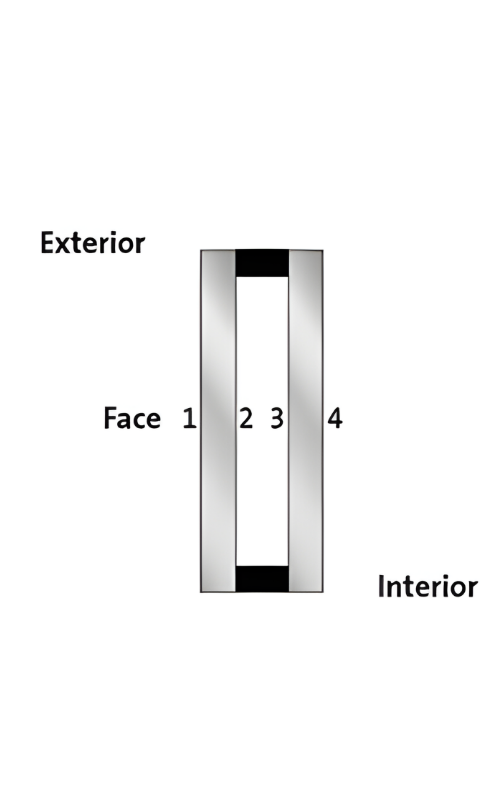
Condensation on double-glazed windows can appear in three distinct locations, each caused by different conditions. It may form on the external face of the glass (face 1), between the panes (faces 2 and 3), or on the internal face of the glass (face 4).
The position of the condensation is important, as it determines whether the issue is environmental, ventilation-related, or linked to the glazing unit itself.
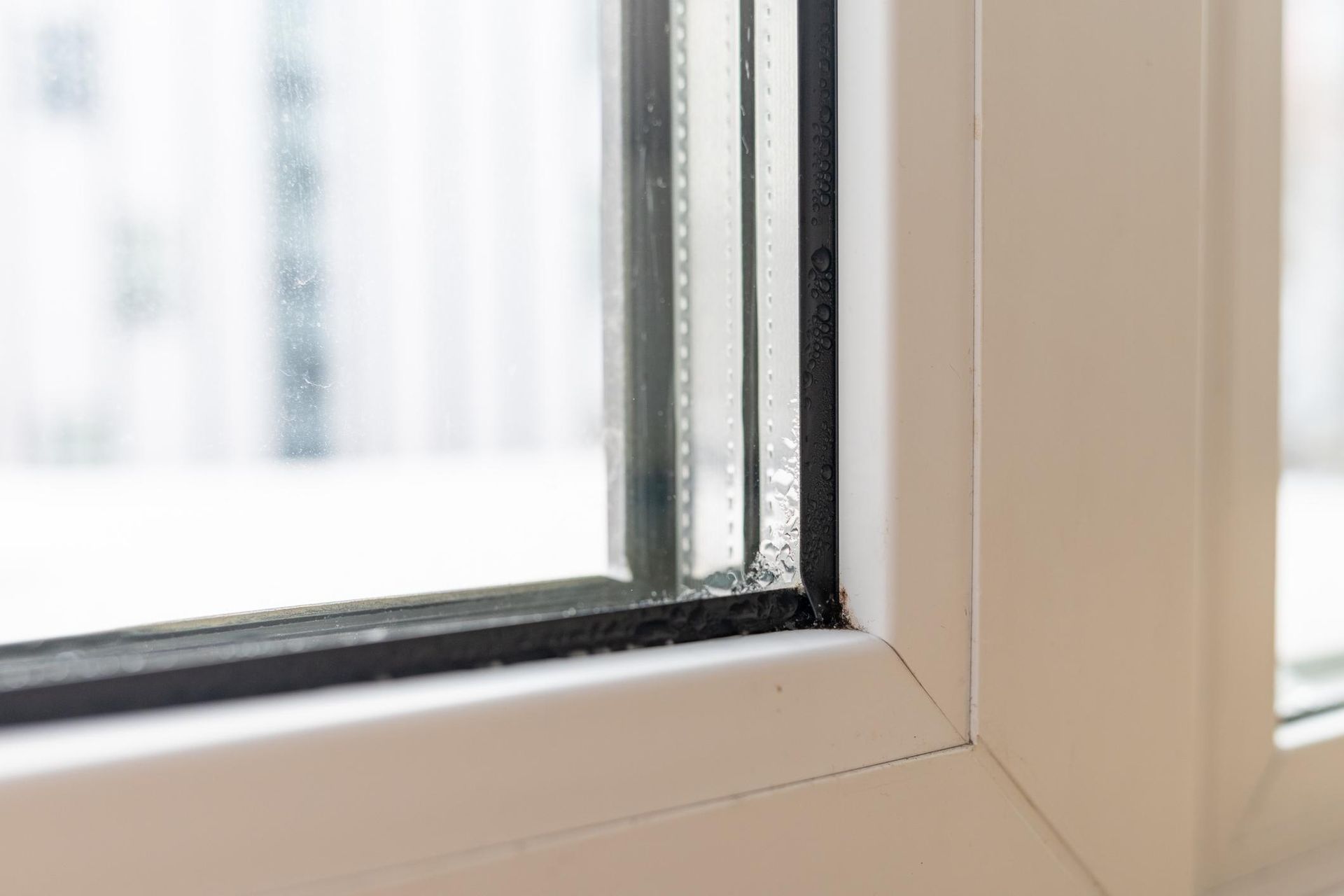
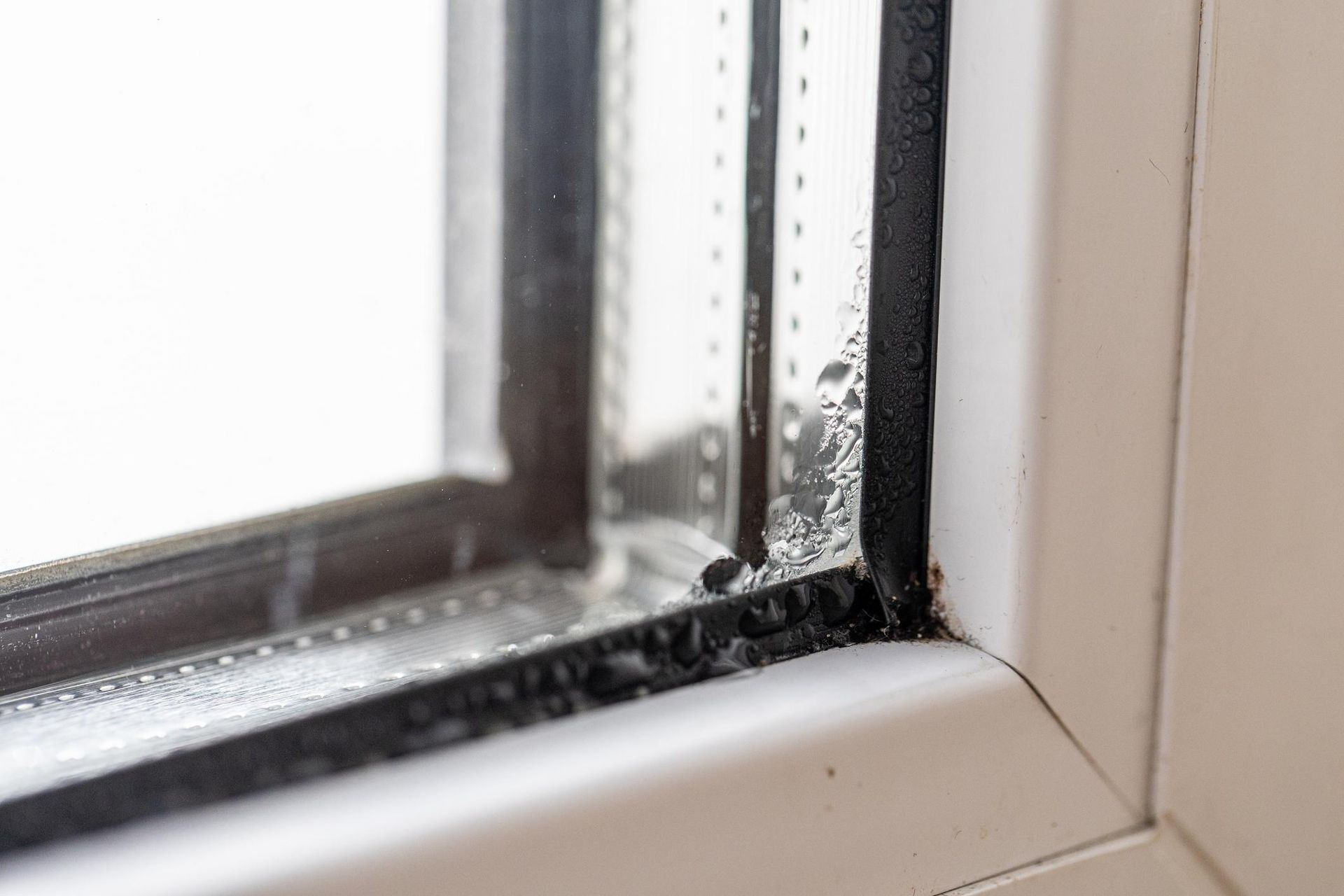
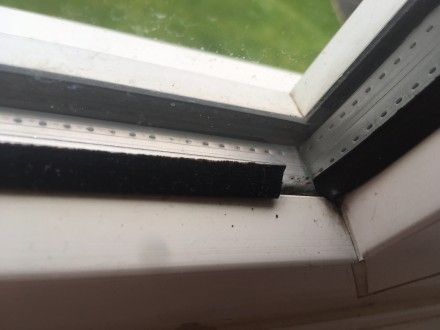
The way condensation forms is influenced by heat transfer through the glass and the presence of a thermal bridge around the edge of the sealed unit, commonly created by the spacer bar.
02
Why Condensation Appears on the Inside of Your Windows (Face 4)
Internal condensation is the most common type homeowners notice and is usually linked to high indoor humidity combined with cool glass surfaces. It often starts in the corners of the window, where the spacer bar causes additional cooling.
Key contributing factors include:
- Indoor humidity levels
- Internal air temperature
- Poor ventilation
- Cooler glass surface temperatures
- External weather conditions
To reduce internal condensation, moisture should be removed at source—particularly in kitchens and bathrooms—using extractor fans or open vents.
Maintaining consistent heating and good airflow throughout the home also helps. Modern warm-edge spacer bars, such as Swiss Spacer or SuperSpacer, can further reduce the risk by limiting heat loss around the window edges.
03
What Causes Condensation on the Outside of Double Glazing (Face 1)
External condensation occurs when the outer glass surface becomes colder than the surrounding air, causing moisture in the air to condense on the glass.
This typically happens during clear, calm nights, when heat is lost from the glass surface through radiation to the sky.
The surface temperature of the outer pane is influenced by:
- Heat flow from inside the building
- The insulating performance (U-value) of the glass
- Heat exchange with outdoor air
- Radiated heat loss to the night sky
Interestingly, this type of condensation is more likely on high-performance, well-insulated glazing, as less heat escapes from the home to warm the external pane.
04
Why External Condensation Is Usually a Positive Sign
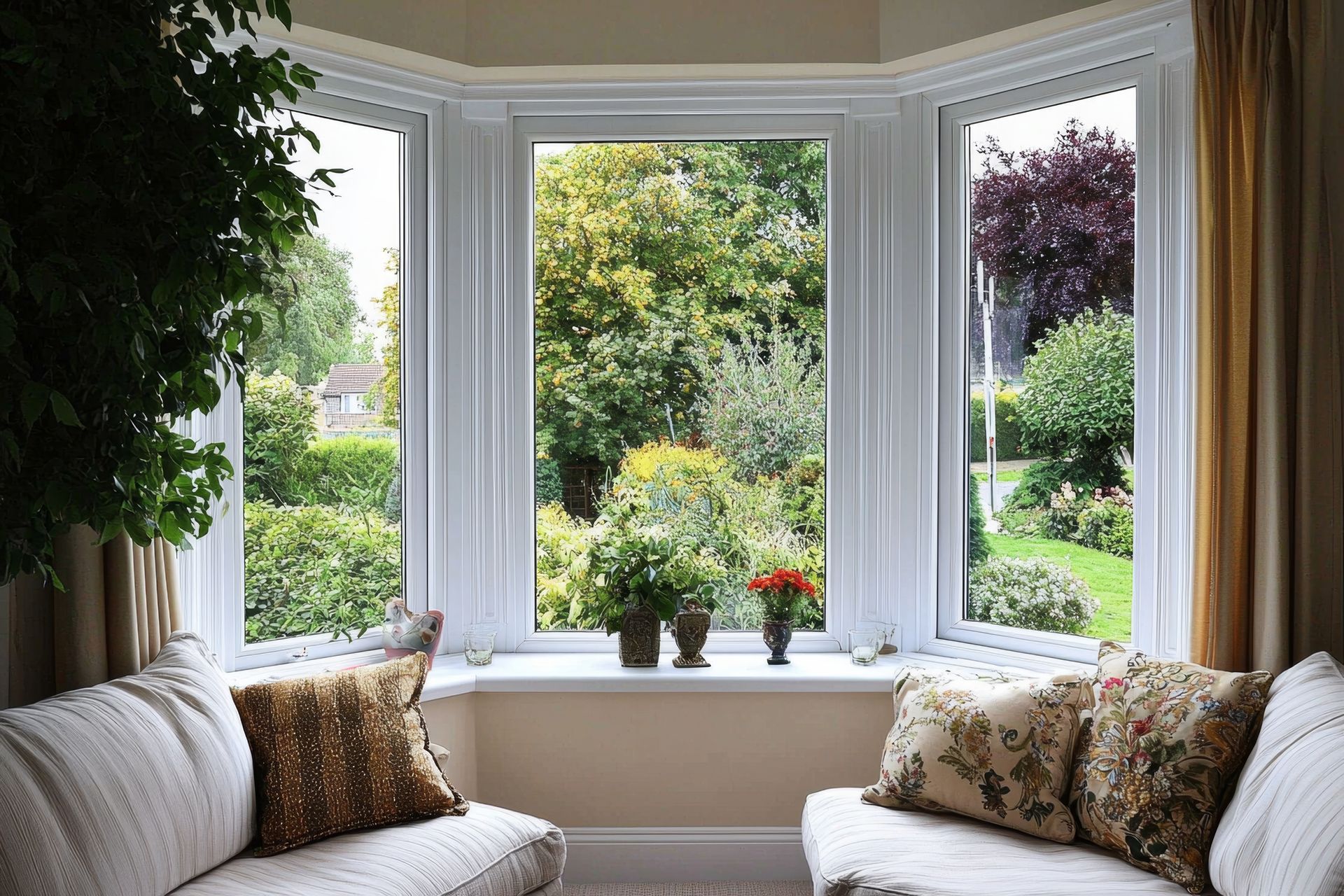
Although external condensation may look concerning, it is actually evidence that your double glazing is working efficiently.
Much like a car developing dew or frost overnight, the glass cools rapidly under clear skies, allowing condensation to form.
If a window is sheltered by nearby buildings or trees, condensation is often reduced because radiant heat loss to the sky is limited.
For this reason, external misting should not be seen as a defect, but rather as a sign of excellent thermal insulation and reduced heat loss from your home.
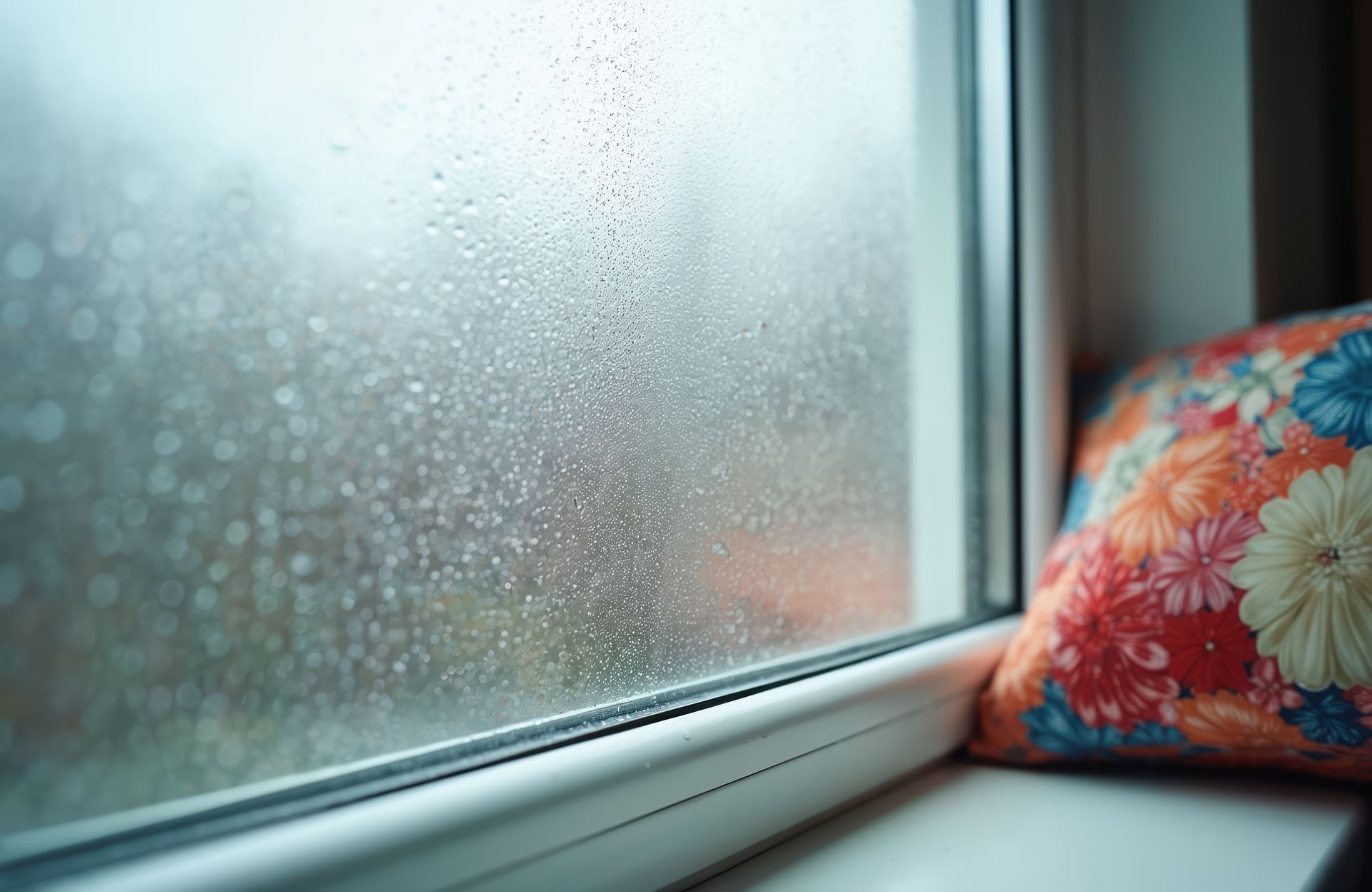
Conclusion
In conclusion, surface condensation on the outside of glazing is a phenomenon that is occasionally seen at night and in the early hours of the morning on well insulated glass in clear (cloudless) weather and when there is no wind.
This is mainly caused by heat losses towards the clear sky. It is important that this phenomenon is not considered to represent poor quality double glazed units, but rather proof of good thermal insulation.
Frequently Asked Questions About Condensation on Double Glazing
Why do my double-glazed windows have condensation in the morning?
Condensation often appears overnight or in the early morning when temperatures drop. Warm, moisture-laden air comes into contact with cooler glass, causing water vapour to turn into droplets. This is particularly common in winter or during clear, still nights.
Is condensation on the inside of my windows a fault with the double glazing?
No. Condensation on the internal face (face 4) is usually caused by high indoor humidity and poor ventilation, not a fault with the window. Everyday activities such as cooking, showering, and drying clothes indoors all increase moisture levels.
What does condensation between the panes of glass mean?
Condensation between the panes (faces 2 and 3) usually indicates that the sealed unit has failed. When the seal breaks, moisture enters the cavity and becomes trapped. In this case, the double-glazed unit will normally need replacing.
Why is condensation forming on the outside of my windows?
External condensation (face 1) forms when the outer pane of glass cools below the dew point of the outside air. This typically happens during cold, clear nights and is actually a sign that your windows are well insulated and preventing heat loss from inside your home.
Is external condensation a bad sign?
No. External condensation is generally considered a positive indicator of good thermal performance. It shows that very little internal heat is escaping through the glass, allowing the outside pane to cool naturally.
How can I reduce condensation on the inside of my windows?
You can reduce internal condensation by:
Improving ventilation, especially in kitchens and bathrooms
Using extractor fans and trickle vents
Maintaining consistent indoor heating
Avoiding drying clothes indoors where possible
These steps help control humidity levels and keep the glass surface warmer.
Do warm-edge spacer bars help prevent condensation?
Yes. Warm-edge spacer bars, such as Swiss Spacer or SuperSpacer, reduce heat loss around the edges of the glass. This helps keep the internal surface temperature higher, lowering the risk of condensation forming in the corners of the window.
When should I be concerned about condensation on double glazing?
You should only be concerned if condensation is between the panes of glass, as this usually means the sealed unit has failed. Internal and external surface condensation is common and usually linked to environmental conditions rather than window quality.